Why It Matters
Demonstrating that exercise can directly counteract fat‑driven tumor survival opens a new, non‑pharmacologic avenue for breast‑cancer therapy and validates 3D assays for translational research.
Key Takeaways
- •3D co‑culture model mimics obese breast tumor micro‑environment.
- •Exercise‑conditioned media reduces cancer cell viability in adipocyte‑rich cultures.
- •CellTiter‑Glo 3D provides reproducible, rapid viability readouts for matrix‑embedded spheroids.
- •Traditional 2D assays fail to capture cell‑cell interactions in tumor niche.
- •Next phase targets molecular mechanisms of exercise‑driven tumor suppression.
Pulse Analysis
Exercise oncology has surged as obesity emerges as a key modifier of cancer risk and outcomes. Researchers now recognize that adipose tissue does more than store fat; it secretes hormones and metabolites that can fuel tumor growth. By integrating visceral and subcutaneous fat cells into a three‑dimensional scaffold, Dr Morris’s platform captures these complex paracrine signals, offering a more faithful representation of the breast‑cancer niche than conventional flat cultures. This realism is crucial for testing interventions that aim to disrupt the adipocyte‑cancer crosstalk.
A persistent hurdle in 3D research is reliable viability measurement. Traditional colorimetric assays like MTT require matrix digestion, introduce variability, and extend assay time. The CellTiter‑Glo 3D assay sidesteps these issues by lysing cells in situ and quantifying ATP via luminescence, delivering results in under 30 minutes with batch‑to‑batch consistency. For labs scaling high‑throughput screens, the assay’s ease of use and sensitivity translate into faster data cycles and lower operational costs, positioning it as a preferred tool for organoid‑based drug discovery.
The early finding that exercise‑conditioned media dampens cancer cell survival in adipocyte‑laden cultures suggests a direct, biologically actionable link between physical activity and tumor biology. If the forthcoming mechanistic studies pinpoint specific myokines or metabolic pathways, they could inform novel adjunct therapies that mimic exercise effects. For biotech firms and clinical researchers, such insights provide a pathway to develop non‑drug interventions or combination regimens that leverage lifestyle factors, potentially improving outcomes for patients with obesity‑associated breast cancer.
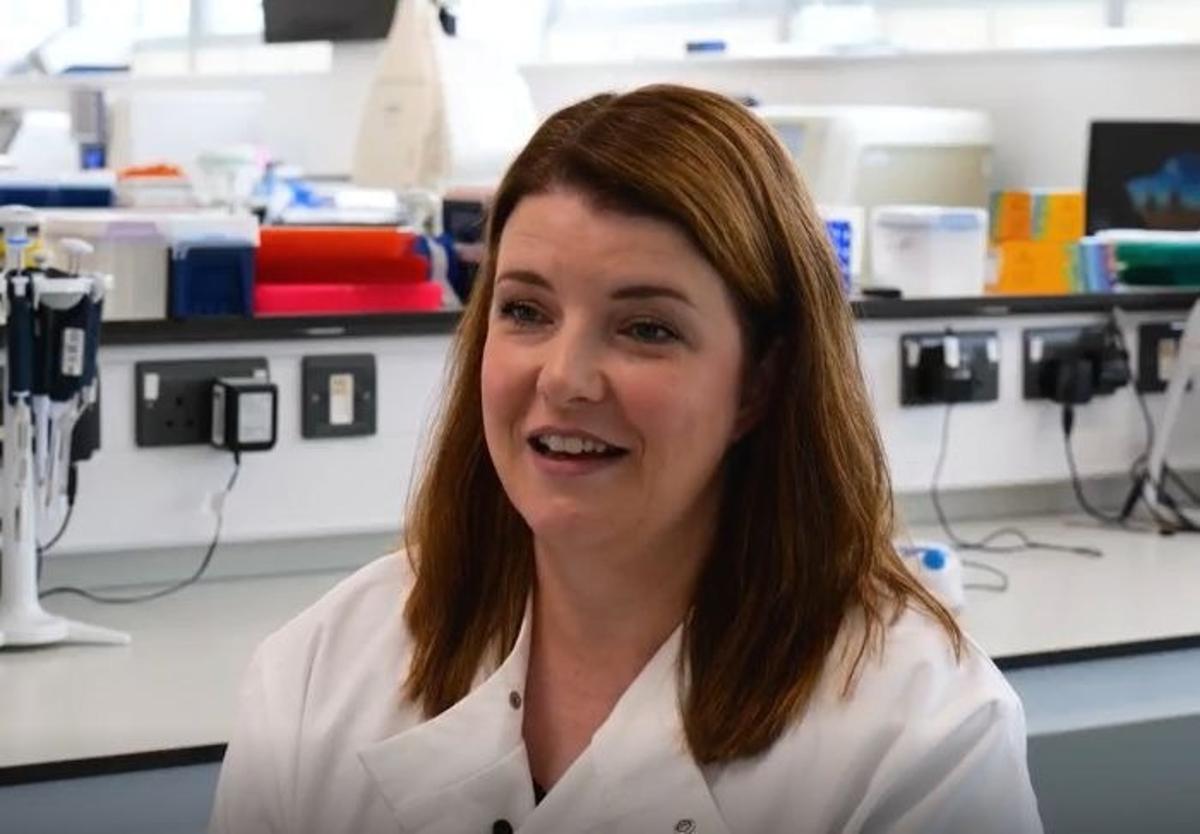
How exercise influences cancer cell viability
Comments
Want to join the conversation?
Loading comments...