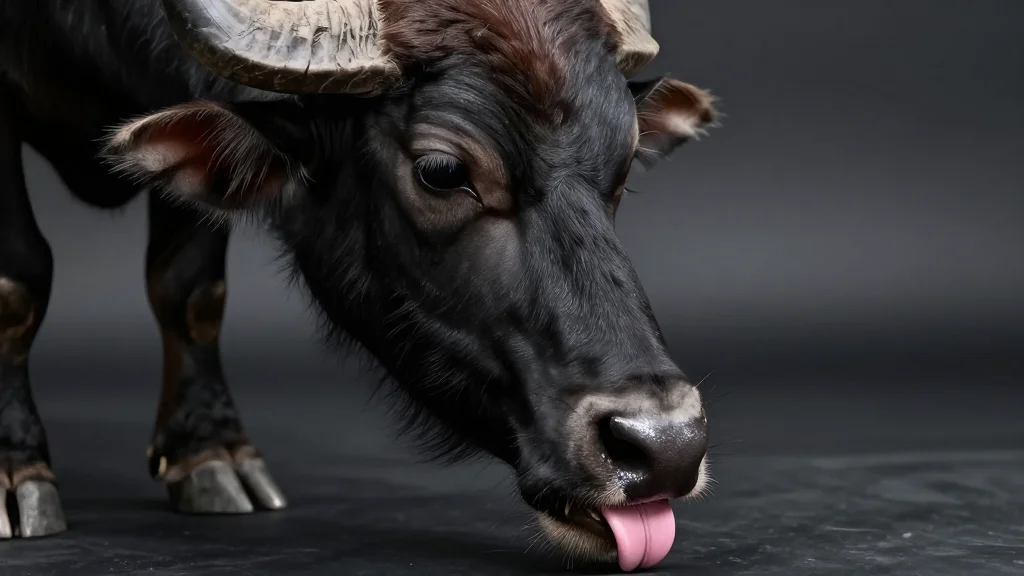
How Farmers Recognise Breeds: Evidence From Nili-Ravi Buffalo Rearers in India
Why It Matters
Understanding farmer‑based breed cues enables more effective conservation and breeding programs, preserving genetic diversity and cultural heritage in Indian livestock systems.
Key Takeaways
- •Pure rearers use pink tongue, short forelimbs, walled eyes
- •Mixed rearers prioritize Panch Kalyani for differentiation
- •Perception logic shifts with herd composition and visual contrast
- •Policy should embed farmer cues into conservation strategies
Pulse Analysis
Livestock remains a cornerstone of rural Punjab’s economy and cultural identity, yet the rise of high‑yielding breeds threatens indigenous stock like the Nili‑Ravi buffalo. This native breed carries ecological benefits—hardier to local climates and disease‑resistant—while also symbolizing regional heritage. As market pressures push farmers toward exotic genetics, the risk of losing the Nili‑Ravi’s unique traits intensifies, prompting scholars to examine how on‑the‑ground knowledge shapes breed survival.
The recent fieldwork surveyed 240 households across Firozpur, Tarn Taran, Amritsar and Gurdaspur, employing fuzzy‑set Qualitative Comparative Analysis to translate farmer‑defined traits into measurable conditions. Pure Nili‑Ravi rearers consistently highlighted a pinkish tongue, short forelimbs, and walled eyes as identification markers, whereas those managing both Nili‑Ravi and Murrah buffalo emphasized the Panch Kalyani characteristic to visually separate the breeds. These divergent perceptual logics illustrate that breed recognition is not static; it adapts to herd composition, visual contrast, and experiential familiarity.
The implications extend beyond academic insight. Conservation agencies and extension services must redesign breed registries and outreach programs to reflect the cues farmers actually use. By integrating farmer‑derived descriptors into breeding guidelines, policymakers can foster participatory stewardship, improve adoption of conservation measures, and safeguard the Nili‑Ravi’s genetic pool. Aligning formal frameworks with grassroots perception not only bolsters biodiversity but also supports the livelihoods of Punjab’s smallholder farmers, ensuring that cultural and economic value of the breed endures.
How Farmers Recognise Breeds: Evidence from Nili-Ravi Buffalo Rearers in India
Comments
Want to join the conversation?
Loading comments...