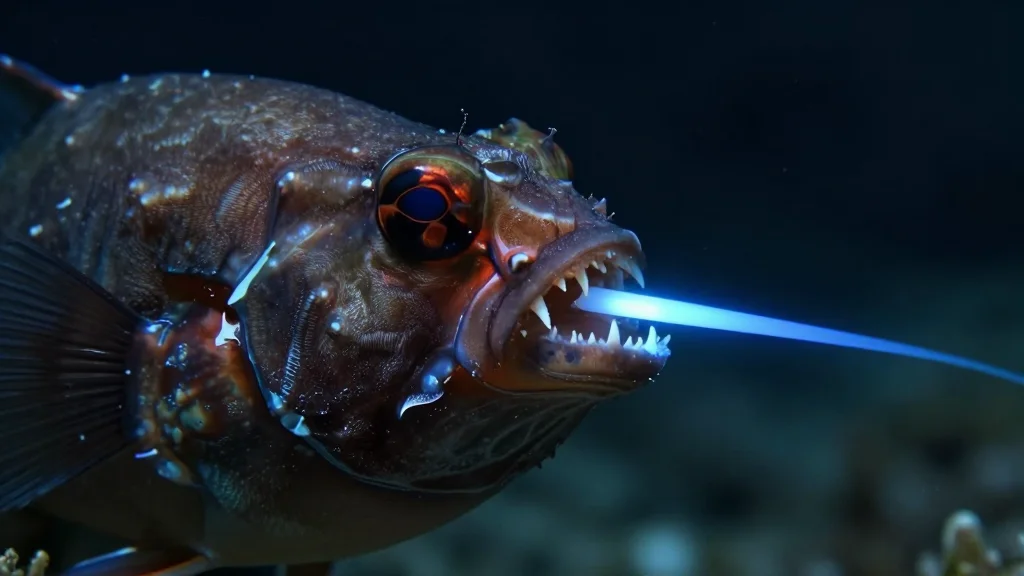
How Female Anglerfish Evolved to Have It All
Why It Matters
Understanding the dual role of anglerfish lures illuminates broader principles of sexual selection and may inspire novel biotechnologies, while raising the profile of deep‑sea biodiversity in a funding‑driven research landscape.
Key Takeaways
- •Study analyzed >100 anglerfish species to map evolutionary tree.
- •Female lures diversified to attract both prey and mates.
- •Bioluminescent bacteria and chemical sprays are distinct lure mechanisms.
- •Findings could inform biotech designs for light‑based sensors.
- •Deep‑sea biodiversity gains visibility, boosting research funding prospects.
Pulse Analysis
The new phylogenetic analysis of anglerfish provides a rare glimpse into how extreme environments drive innovation in nature. By pairing museum specimens with modern DNA sequencing, scientists traced the emergence of multiple lure types—ranging from bioluminescent bacteria to chemical‑jet emitters—across distinct lineages. This dual function, serving both predation and courtship, suggests that sexual selection can amplify existing adaptations, creating the spectacular diversity seen in the deep sea today.
Beyond academic intrigue, the study’s insights have tangible commercial relevance. Bioluminescent systems have already powered advances in medical imaging and environmental sensors; the anglerfish’s refined control of light and chemical signals could inspire next‑generation devices for low‑light detection or targeted drug delivery. Companies investing in marine biotechnology are likely to monitor these findings closely, as they point to untapped molecular toolkits that could be harvested sustainably.
Finally, the research highlights the strategic importance of deep‑sea ecosystems in the broader innovation pipeline. As policymakers and venture capitalists seek high‑impact scientific ventures, the visibility of such unique adaptations can translate into increased funding for oceanic exploration and conservation. By showcasing the economic and scientific value of marine biodiversity, studies like this help justify investments that protect fragile habitats while unlocking new avenues for growth in the biotech and environmental monitoring sectors.
How Female Anglerfish Evolved to Have It All
Comments
Want to join the conversation?
Loading comments...