Why It Matters
Accurate imaging turns hidden reef decline into visible data, guiding restoration and policy while engaging the public. This accelerates resilient coral breeding and protects tourism‑dependent economies along the Indian Ocean coast.
Key Takeaways
- •14% of global coral reefs lost 2009‑2018, driven by bleaching.
- •South Africa's iSimangaliso MPA protects 150 km of unique coral reefs.
- •UKZN scientists recorded 148 coral species, estimate up to 180 locally.
- •Canon's World Unseen supplies imaging gear for coral spawning labs in Seychelles.
- •Photogrammetry and macro imaging enable monitoring of reef health and restoration.
Pulse Analysis
The planet’s coral ecosystems are at a tipping point. Although they occupy less than one percent of the seabed, reefs harbor roughly 25 percent of marine biodiversity and underpin the food security and coastal protection of half a billion people. The 2009‑2018 period saw a 14 percent decline in global reef cover, driven largely by temperature‑induced bleaching events linked to climate change. This loss translates into reduced fisheries yields, weakened shoreline resilience, and a looming hit to tourism revenues in tropical and subtropical regions.
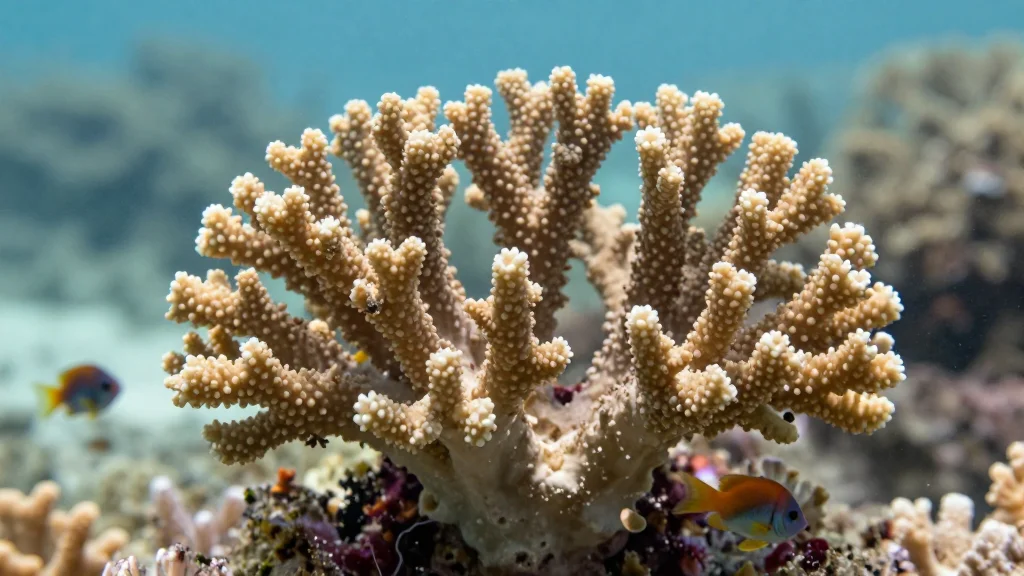
Imaging technology is turning that hidden crisis into actionable insight. Canon’s World Unseen platform supplies high‑resolution underwater cameras, macro lenses and photogrammetry rigs to research teams such as Coral Spawning International and Nature Seychelles. The equipment captures spawning events at the microscopic level, maps colony structures in three dimensions, and monitors larval development over weeks. These data streams feed predictive models that identify optimal breeding windows and assess the success of assisted recovery programs. By visualising both degradation and regeneration, scientists can refine restoration techniques and communicate tangible progress to stakeholders.
The ripple effect reaches South Africa’s iSimangaliso Marine Protected Area, where 150 km of the nation’s southernmost reefs host up to 180 coral species and support a dive tourism market of roughly 60,000 dives annually. High‑definition imaging of these reefs not only informs local management plans but also feeds the broader Western Indian Ocean restoration network, linking South African habitats to the Seychelles’ land‑based spawning facility. As visual evidence drives public awareness and policy funding, the region can safeguard livelihoods, bolster coastal protection, and set a replicable model for climate‑resilient reef stewardship worldwide.
How Imaging Supports Conservation
Comments
Want to join the conversation?
Loading comments...