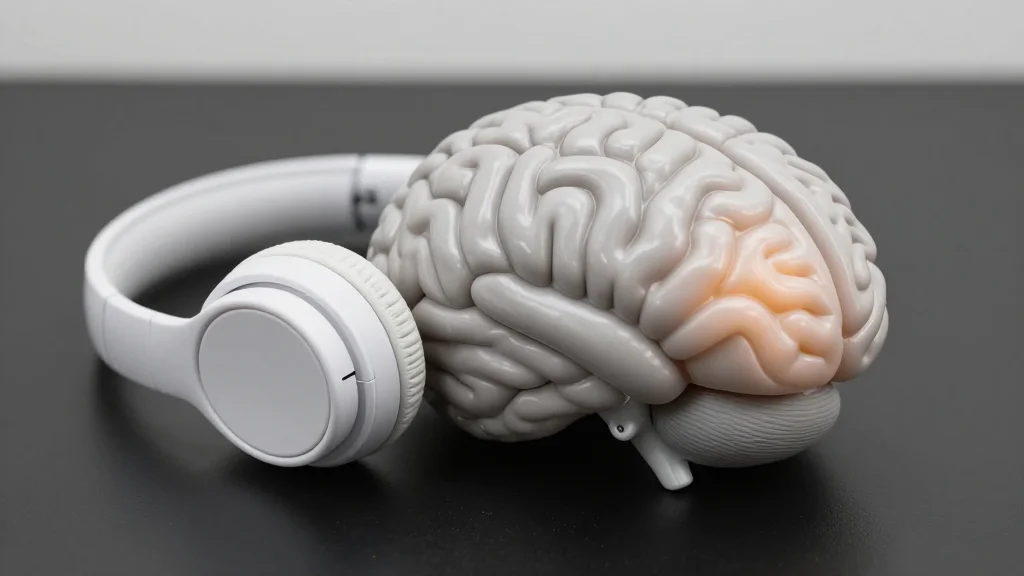
How Learning to Read Alters the Brain’s Approach to Spoken Language
Why It Matters
The research proves that literacy induces lasting neural re‑wiring, affecting speech perception and offering a biological basis for educational and therapeutic interventions aimed at populations with low reading skills.
Key Takeaways
- •Literacy recruits right inferior frontal gyrus for phonological analysis of unknown speech
- •Functionally illiterate adults detected only 17% of target words in Japanese
- •Right IFG activation correlates strongly with reading proficiency scores
- •Education‑related neural plasticity extends beyond visual word recognition
Pulse Analysis
Reading is a cultural invention that forces the brain to repurpose existing visual and linguistic networks. Recent work published in Cortex leveraged functional MRI to compare three adult cohorts—highly educated young, highly educated older, and functionally illiterate older participants—while they performed a word‑monitoring task in their native Portuguese and in unintelligible Japanese. By contrasting performance and brain activation across languages, the researchers isolated the neural signature of literacy‑driven phonological processing, independent of semantic context.
The data reveal a striking pattern: literate adults engaged the right inferior frontal gyrus (rIFG) during the Japanese task, achieving detection rates of 75% (young) and 48% (older). In contrast, the illiterate group managed only 17% and showed no rIFG activation, relying instead on more primitive auditory pathways. Moreover, the magnitude of rIFG activity tracked closely with standardized reading scores, underscoring a direct link between classroom‑based phonological training and the brain’s ability to dissect unfamiliar speech streams. Age‑related over‑activation was also observed, with older literate participants recruiting broader networks, reflecting compensatory mechanisms.
These insights carry weight for educators, clinicians, and policymakers. Demonstrating that literacy reshapes auditory processing suggests that early reading interventions could bolster broader language comprehension and auditory discrimination skills, especially in multilingual settings. For neurorehabilitation, targeting the rIFG through phonological exercises may accelerate recovery in patients with speech perception deficits. Future research should expand sample sizes, explore non‑linguistic auditory tasks, and disentangle socioeconomic factors from pure literacy effects, paving the way for evidence‑based strategies that bridge educational gaps and promote neural resilience.
How learning to read alters the brain’s approach to spoken language
Comments
Want to join the conversation?
Loading comments...