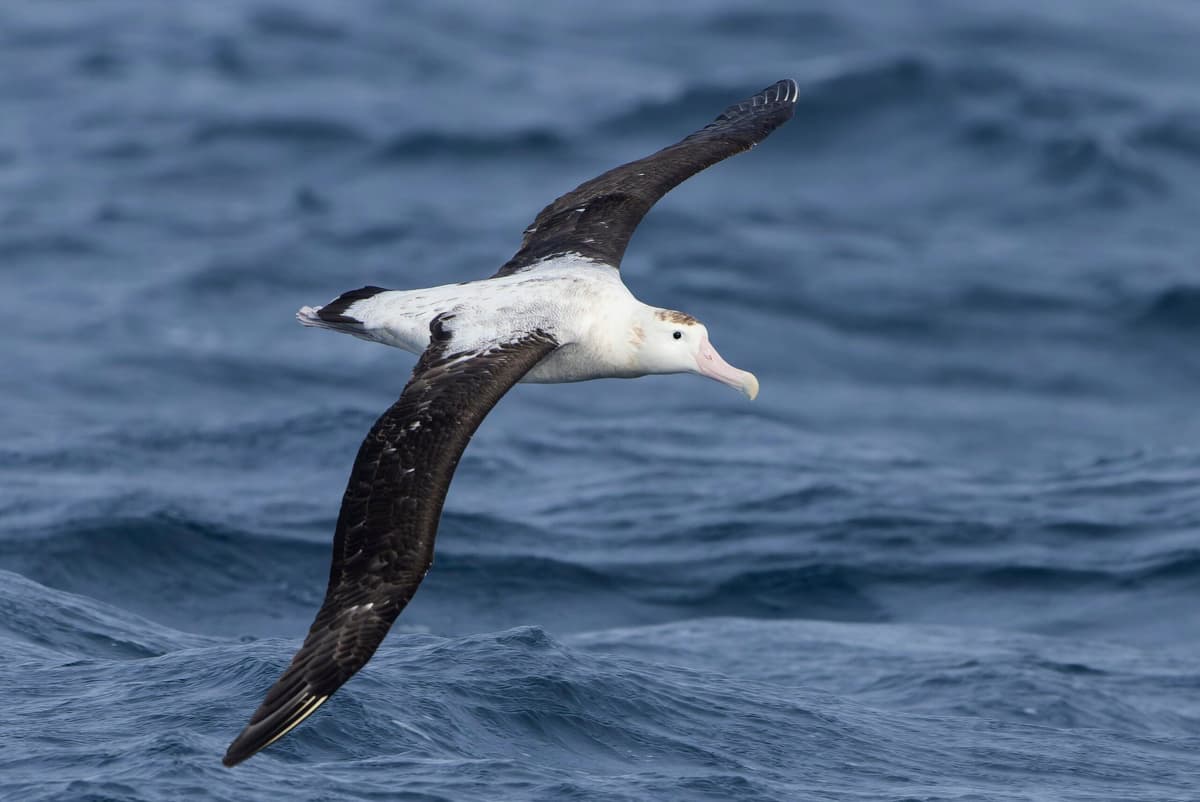
How Marine Flyways Could Help Save the World’s Declining Seabird Population
Why It Matters
Marine flyways give policymakers a shared, science‑based tool to halt the global decline of seabirds, whose health reflects ocean ecosystem integrity.
Key Takeaways
- •CMS formally adopts six marine flyways for seabird protection
- •151 seabird species rely on these routes across 54 nations
- •Flyways link 1,300 Key Biodiversity Areas for targeted conservation
- •Overlaps with BBNJ treaty and CBD 30% ocean protection goal
- •France and Australia positioned as potential champion nations
Pulse Analysis
Marine flyways represent a paradigm shift in migratory‑bird conservation, moving the focus from isolated breeding sites to the expansive ocean corridors that link them. By aggregating decades of satellite‑tag data, researchers have identified six basin‑scale routes that capture the majority of long‑distance seabird movements. This spatial synthesis not only visualizes the scale of the challenge but also provides a communication platform that can rally stakeholders—from fisheries managers to coastal communities—around a common conservation narrative.
The formal adoption of the flyway framework by CMS creates a policy lever that aligns with existing international agreements. The high‑seas Biodiversity Beyond National Jurisdiction (BBNJ) treaty and the Convention on Biological Diversity’s 30‑by‑30 ocean goal both emphasize area‑based management and ecological connectivity, making the flyways a natural conduit for joint action. However, translating resolution language into on‑the‑ground measures hinges on political will, especially among the 54 nations intersecting the routes. Nations such as France, with interests in all six corridors, and Australia, a long‑standing seabird champion, are poised to drive implementation.
Looking ahead, the flyway concept promises tangible outcomes if paired with targeted interventions. Protecting the identified 1,300 Key Biodiversity Areas through marine protected areas or by‑catch mitigation can deliver measurable gains for species like albatrosses and petrels, whose declines signal broader ocean health issues. Emerging tools—electronic monitoring on fishing vessels and open‑access tracking databases—enhance compliance and transparency. As the global community negotiates the BBNJ treaty and scales up ocean protection, marine flyways could become the linchpin that unites biodiversity goals with sustainable fisheries, delivering both ecological and economic benefits.
How marine flyways could help save the world’s declining seabird population
Comments
Want to join the conversation?
Loading comments...