
Why It Matters
If microplastics contribute a non‑trivial share of radiative forcing, mitigation strategies must expand beyond traditional pollutants, reshaping climate policy and emission accounting.
Key Takeaways
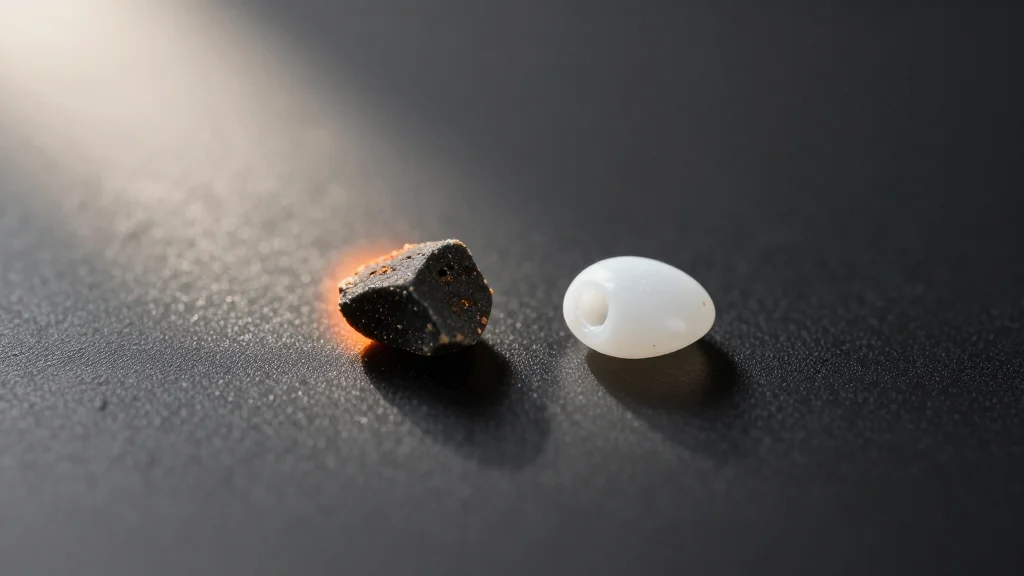
- •Dark microplastics absorb sunlight up to 75× more than white plastics
- •Estimated warming impact equals ~1/6 of black carbon’s radiative forcing
- •Annual microplastic emissions comparable to 200 coal‑plant power outputs
- •Climate models currently omit microplastic aerosol effects, creating uncertainty
Pulse Analysis
Microplastics have long been spotlighted for their ecological damage in oceans and soils, but their atmospheric journey is only now gaining scientific attention. Tiny fragments shed from synthetic textiles, tire wear, and degraded packaging can remain suspended for weeks, traveling across continents. Once aloft, their surface chemistry—especially when pigmented—interacts with solar radiation in ways that differ markedly from inert dust. This pathway adds a new dimension to the climate impact of plastic production, linking everyday consumer habits to global energy balances.
The Fudan‑led investigation combined laboratory spectrometry with global dispersion modeling to quantify how color and particle size affect light absorption. Black, yellow, blue and red microplastics exhibited absorption rates up to 75 times higher than their uncolored counterparts, a magnitude comparable to the well‑studied black carbon aerosol. By translating these optical properties into radiative forcing, the authors arrived at an estimate of roughly one‑sixth the warming influence of soot. While this figure is modest relative to fossil‑fuel emissions, equating a year’s microplastic output to the emissions of 200 coal‑fired power plants underscores a potentially overlooked climate driver.
The study’s implications reach beyond academia. Current Earth‑system models do not account for microplastic aerosols, meaning their contribution to the planetary energy budget is effectively invisible in policy‑relevant forecasts. Incorporating this factor could adjust mitigation targets, especially in regions with high plastic waste leakage. Moreover, the long‑term persistence of microplastics—decades in the environment—means their warming effect may accumulate even as production slows. Policymakers, therefore, face a dual challenge: curb plastic leakage at its source and refine climate models to capture this emerging aerosol class, ensuring comprehensive strategies for a warming world.
How Microplastics Are Likely Helping To Heat Up the Planet
Comments
Want to join the conversation?
Loading comments...