How Much Suffering Do Invasive Species Cause? Researchers Are Measuring That
Why It Matters
By adding a measurable welfare dimension, AWICIS fills a critical gap in invasion biology, guiding policymakers toward more humane and preventive conservation actions. It also raises awareness of overlooked suffering, especially from small but harmful invasives.
Key Takeaways
- •AWICIS quantifies animal welfare impacts of invasive species
- •Study finds small invasives cause significant, overlooked suffering
- •Framework highlights data gaps in low‑income regions
- •Adoption could shift conservation focus toward prevention
Pulse Analysis
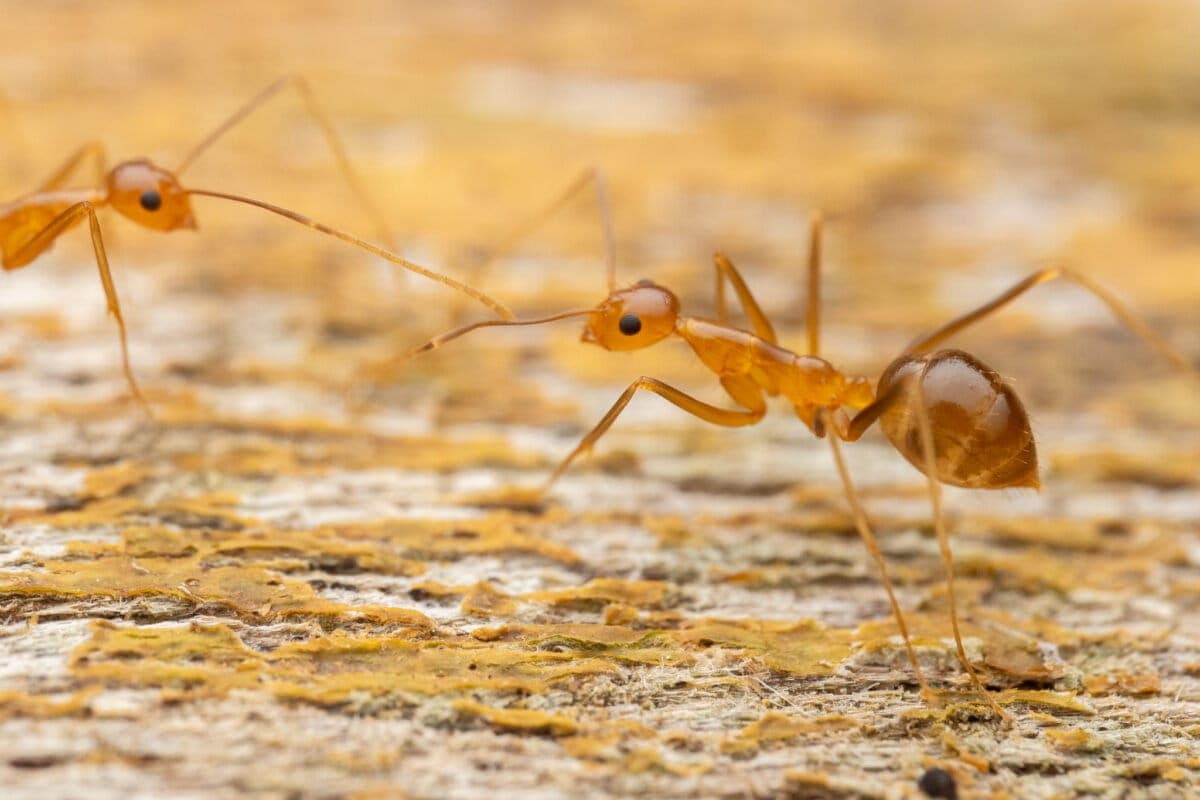
Invasive species are traditionally evaluated through their effects on biodiversity loss and economic damage, leaving a blind spot for the actual suffering they inflict on individual animals. The newly published Animal Welfare Impact Classification for Invasion Science (AWICIS) addresses this omission by providing a structured scoring system that captures physical, behavioral and psychological distress across a range of taxa. By applying the framework to hundreds of bird and ant invasions, researchers demonstrated consistent results and uncovered systematic under‑reporting of welfare impacts, especially from diminutive invaders such as ants and parasitic flies.
The AWICIS methodology blends indirect indicators—like tissue damage, altered behavior, and prolonged pain—with the mode of harm, from predation to resource competition. Scores are further calibrated by the confidence level of the underlying data, ensuring transparency when evidence is scarce. Early case studies highlighted stark regional biases: most welfare data originated from well‑studied islands and high‑income countries, while low‑income regions remain under‑represented. This disparity underscores the need for broader field research and data sharing, as many invasions in tropical and developing areas likely impose severe, undocumented suffering.
Looking ahead, AWICIS could reshape conservation priorities by foregrounding prevention over remediation. If policymakers integrate welfare scores into risk assessments, invasive species that pose immediate animal suffering—often before ecological damage becomes evident—might receive earlier intervention. However, the framework also raises ethical dilemmas, such as weighing the pain inflicted on invasive organisms against the broader goal of protecting native ecosystems. As the conservation community debates these trade‑offs, AWICIS offers a rigorous, sentientist lens that complements existing biodiversity metrics, potentially steering funding and regulatory actions toward more humane and effective invasive‑species management.
How much suffering do invasive species cause? Researchers are measuring that
Comments
Want to join the conversation?
Loading comments...