Why It Matters
Understanding the molecular dialogue between gut bacteria and neurons opens new avenues for treating microbiome‑linked disorders and designing gut‑targeted therapeutics.
Key Takeaways
- •NSM neuron uses ASICs to detect bacterial polysaccharides.
- •Peptidoglycan from gram‑positive bacteria triggers feeding behavior.
- •Prodigiosin pigment blocks NSM activation, preventing ingestion of harmful bacteria.
- •ASIC knockout eliminates polysaccharide detection and associated feeding response.
- •Mechanistic insights could inform mammalian gut‑brain therapeutic strategies.
Pulse Analysis
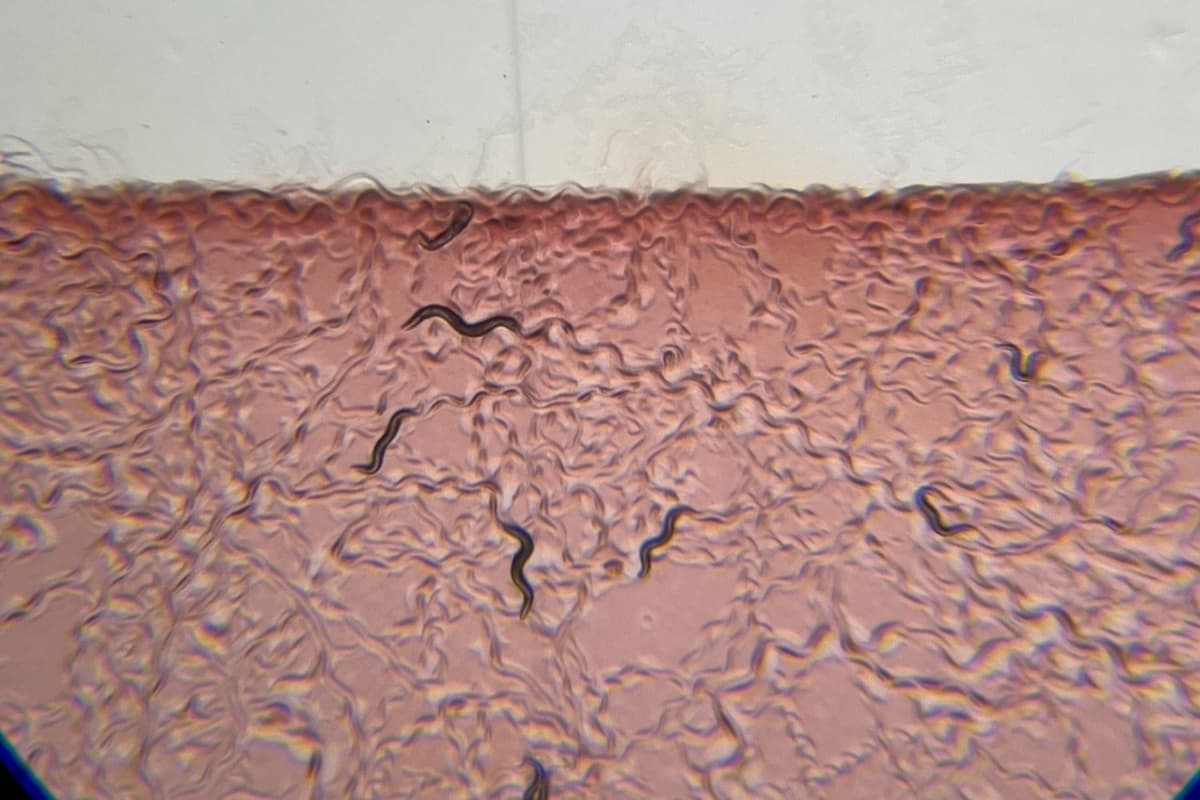
The human gut microbiome has been linked to conditions ranging from depression to Parkinson's disease, yet the precise neural mechanisms remain elusive. Researchers often turn to Caenorhabditis elegans, a transparent worm that feeds exclusively on bacteria, to dissect these pathways. Its simple nervous system, particularly the NSM neuron that projects into the alimentary canal, offers a tractable platform for pinpointing how microbial signals are translated into neural activity and behavior.
In the new open‑access paper, Estrem, Flavell and colleagues exposed C. elegans to twenty bacterial strains and systematically narrowed the active cue to polysaccharide sugars coating the microbes. Gram‑positive peptidoglycan robustly activated NSM via two ASICs, prompting the worm to increase feeding and reduce movement—behaviors that maximize nutrient intake. Conversely, the red pigment prodigiosin produced by Serratia marcescens suppressed NSM firing, effectively signaling danger and halting ingestion. Genetic removal of the ASICs abolished both the electrical response and the associated feeding changes, confirming the channels’ essential role.
These findings resonate beyond the worm. ASICs are conserved across species, including humans, where they participate in gut‑brain communication and pain perception. By mapping a clear bacterial‑to‑neural signal cascade, the study provides a template for identifying druggable targets that could modulate appetite, metabolic health, or neuroinflammation linked to dysbiosis. As the field moves toward precision microbiome therapeutics, such mechanistic clarity will be pivotal for translating basic science into clinical interventions.
How neurons sense bacteria in the gut
Comments
Want to join the conversation?
Loading comments...