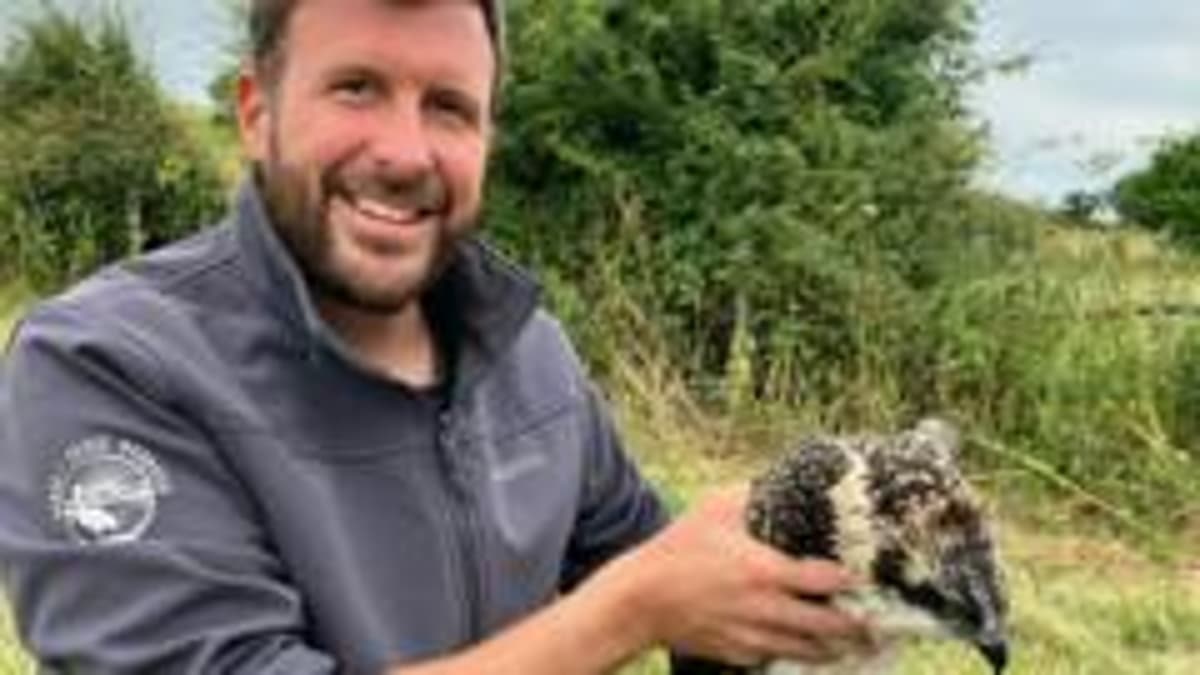
How Ospreys Were 'Tricked' Into Breeding in Dorset
Why It Matters
Restoring a top predator after nearly two centuries reshapes local biodiversity and demonstrates a replicable model for reintroducing migratory raptors. Success boosts conservation credibility and attracts funding for similar projects nationwide.
Key Takeaways
- •14 Scottish osprey chicks translocated annually since 2017
- •Males exhibit natal philopatry, returning to birthplace
- •First breeding pair in Dorset after 180‑year gap
- •Nest cam monitors feeding and fledging progress
- •Project spurs broader raptor recovery in Poole Harbour
Pulse Analysis
The Poole Harbour osprey reintroduction hinges on a clever exploitation of natal philopatry, the instinctual drive of male ospreys to return to their birth site. By moving five‑week‑old chicks from Scotland in climate‑controlled boxes and minimizing human contact, conservationists ensured the birds perceived the new location as home. Feeding them through a letter‑box system allowed self‑sufficiency while CCTV surveillance tracked health metrics, a method now praised for its low‑stress, high‑survival approach.
Since the first breeding in 2022, the project has produced a bumper clutch of four eggs, the first successful osprey nesting on England’s south coast in 180 years. The fledglings, tagged and ringed, imprint on the harbour’s landscape, promising a self‑sustaining population within a few years. The nest cam, a real‑time window for the public, has amplified community engagement and generated a surge in sightings of other raptors—white‑tailed eagles, red kites, and peregrine falcons—indicating a cascading recovery of apex predators.
Beyond the immediate success, the Dorset initiative offers a blueprint for translocating other migratory birds facing habitat loss. It underscores the importance of understanding species‑specific breeding behaviors, leveraging technology for monitoring, and securing long‑term licences for wildlife movement. As climate change reshapes habitats, such adaptive, evidence‑based programs become essential tools for biodiversity restoration, attracting both governmental support and private philanthropy.
How ospreys were 'tricked' into breeding in Dorset
Comments
Want to join the conversation?
Loading comments...