How Outbreaks at Sea Have Been Helping to Shape the Global Health System Since Medieval Times
Why It Matters
The Hondius case shows that fragmented legal authority and reduced U.S. participation can slow outbreak response, threatening global health security. It reinforces the need for robust, multinational coordination whenever pathogens cross borders on ships.
Key Takeaways
- •Hondius outbreak: 11 cases, 3 deaths from Andes hantavirus
- •Quarantine originated in 1377 Ragusa, 40‑day harbor isolation
- •WHO and ECDC coordinated response despite US stepping back
- •Cruise ships mix dense crowds, global travel, fragmented legal authority
- •Future outbreaks demand rapid data sharing and multinational logistics
Pulse Analysis
Maritime quarantine dates back to the 14th‑century Republic of Ragusa, where ships from plague‑hit ports were held offshore for 30 days before passengers could disembark. Venice later codified the 40‑day "quarantine" period and built the world’s first permanent isolation island, Lazzaretto Vecchio. These early measures relied on a single authority’s power over vessels, creating a template for disease control that persisted through cholera‑laden immigrant ships of the 19th century. Over time, as global trade expanded, the need for coordinated, cross‑border health governance gave rise to the World Health Organization and the International Health Regulations, shifting responsibility from local harbormasters to an international network.
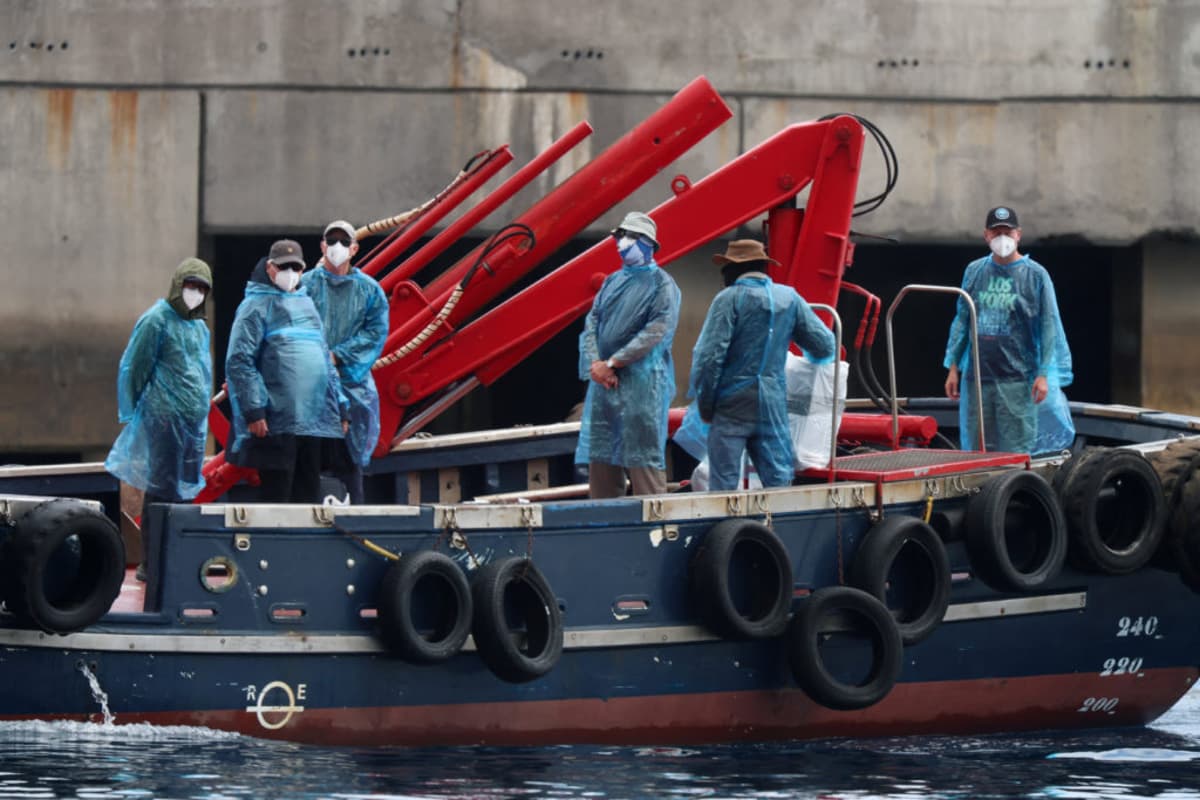
The April 2026 Andes hantavirus outbreak on the MV Hondius illustrates how modern cruise ships revive historic challenges. With 147 passengers and crew from 23 nations confined in a sealed environment, the vessel became a perfect conduit for a pathogen that, while less contagious than COVID‑19, can spread person‑to‑person. The incident unfolded while the United States had recently exited the WHO, reducing its formal role in the global response framework. Nonetheless, the WHO issued risk assessments, the European Centre for Disease Prevention and Control coordinated European actions, and the CDC finally released a health alert, showing that the system can still function but with added friction and delayed communication.
Looking ahead, the convergence of dense social mixing, international mobility, and fragmented legal authority on cruise ships will continue to test the global health architecture. Rapid data sharing, clear jurisdictional protocols, and sustained participation by major powers like the U.S. are essential to prevent localized shipboard outbreaks from escalating into broader threats. Strengthening multinational logistics and ensuring that all nations remain committed to the International Health Regulations will be critical for safeguarding public health in an era where pathogens can cross oceans as easily as passengers do.
How outbreaks at sea have been helping to shape the global health system since medieval times
Comments
Want to join the conversation?
Loading comments...