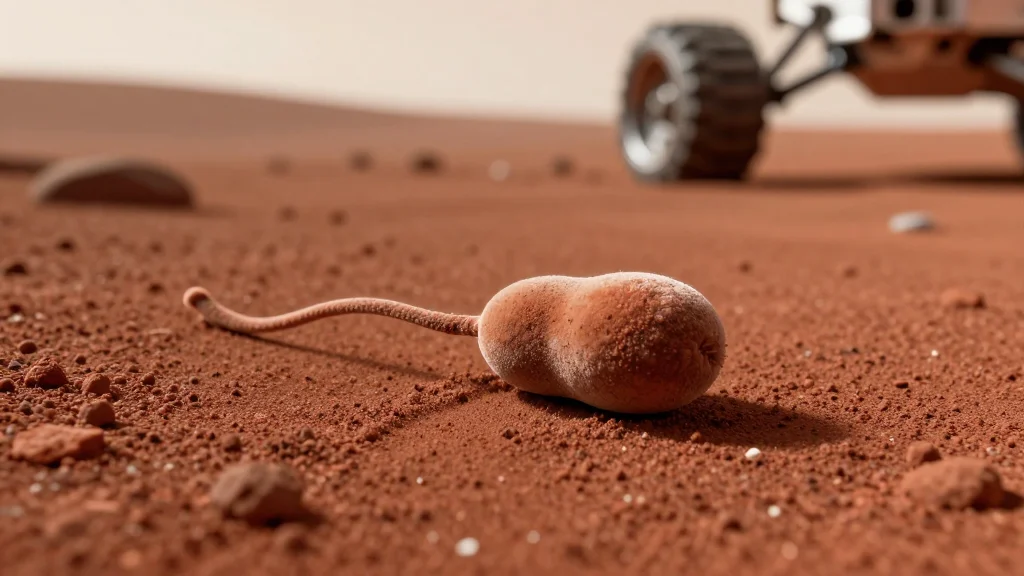
How Resilient Fungus Might Survive Mars and Space
Why It Matters
Fungal spores that can endure every stage of a Mars mission expose a blind spot in NASA’s decontamination strategy, potentially jeopardizing planetary protection and future crewed exploration. Understanding this resilience is essential for refining sterilization standards and safeguarding both Earth and Mars ecosystems.
Key Takeaways
- •*Aspergillus calidoustus* spores survived simulated Mars and space conditions
- •Only combined extreme cold and radiation killed the fungus
- •Findings highlight gaps in NASA’s decontamination focused on bacteria
- •Results will inform planetary protection policies for future Mars missions
Pulse Analysis
The discovery that a hardy fungal species can survive the rigors of interplanetary travel adds a new dimension to the planetary‑protection conversation. While bacteria have long been the focus of spacecraft sterilization, fungi possess eukaryotic cell structures and stress‑response pathways that can confer extraordinary durability. This study, drawing on isolates from NASA’s own cleanrooms, demonstrates that current germicidal protocols may not fully address the spectrum of microbial threats, especially when spores are shielded by equipment or dust.
Methodologically, the researchers generated conidia from 27 cleanroom‑derived fungal strains and subjected them to a battery of stressors that mimic launch vibration, vacuum, temperature extremes, UV and ionizing radiation, and exposure to Martian regolith. *Aspergillus calidoustus* emerged as the sole survivor under most individual conditions, with mortality occurring only when severe cold and high‑energy radiation were applied simultaneously. This nuanced finding underscores that microbial survival is governed by synergistic stress interactions rather than isolated factors, a principle that could reshape risk‑assessment models for future missions.
Looking ahead, the implications extend beyond NASA’s current Mars rovers. Commercial entities planning lunar habitats, asteroid mining, or crewed Mars voyages will need to incorporate fungal resilience into their contamination control plans. Updated standards may involve broader-spectrum sterilization technologies, real‑time microbial monitoring, and revised cleanroom certification processes. By integrating these insights, the space industry can better protect planetary ecosystems while ensuring the scientific integrity of extraterrestrial exploration.
How resilient fungus might survive Mars and space
Comments
Want to join the conversation?
Loading comments...