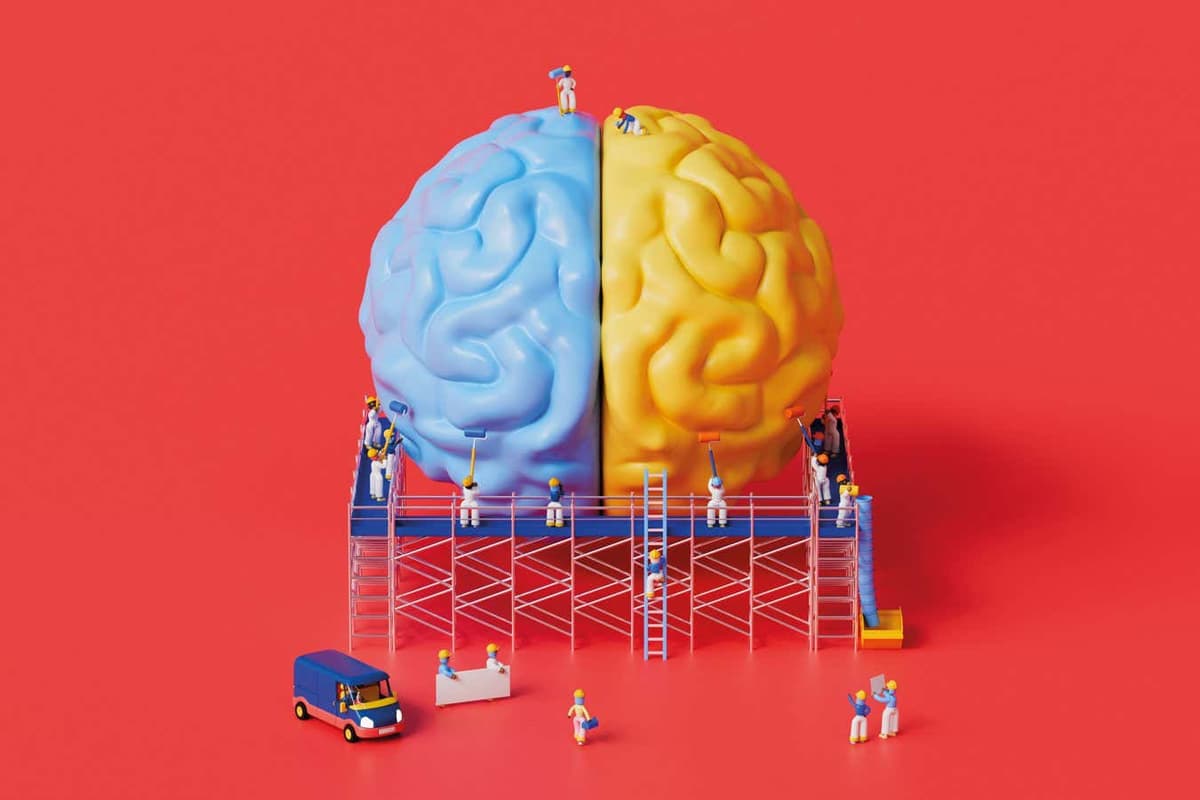
How some People's Brains Make an Extraordinary Recovery From Stroke
Why It Matters
Understanding the biological drivers of stroke recovery enables targeted therapies that could dramatically reduce long‑term disability and healthcare costs, reshaping stroke care worldwide.
Key Takeaways
- •Pre‑stroke brain health predicts post‑stroke cognitive outcomes
- •CCR5‑targeting drug shows promise in mimicking protective mutation
- •Gamma‑oscillation enhancer replicates rehab benefits in mouse models
- •FDA granted breakthrough status to CorTec’s stroke BCI device
- •Psychedelics like DMT are being tested for acute neuroprotection
Pulse Analysis
The variability in stroke outcomes is increasingly linked to the concept of brain reserve – the structural and functional robustness a person carries into the event. Large cohort studies have shown that greater gray‑matter volume and intact white‑matter tracts correlate with faster, more complete recovery, often outweighing the location of the lesion itself. Genetic factors add another layer; carriers of the CCR5 mutation, for example, exhibit enhanced neural plasticity, prompting scientists to explore CCR5‑blocking drugs originally designed for HIV as a means to replicate this natural advantage.
Translating these biological insights into treatment is accelerating. Early‑phase trials are testing a CCR5 antagonist to boost post‑stroke rewiring, while a gamma‑oscillation‑enhancing compound, derived from Alzheimer’s research, has reproduced the benefits of intensive physical therapy in mouse models. Parallel investigations into widely used anti‑inflammatory and antidepressant medications aim to curb secondary brain injury and support neuroplasticity, offering low‑cost adjuncts to conventional care. If successful, these pharmacologic strategies could extend the therapeutic window beyond the acute clot‑dissolving phase, giving patients more time to regain function.
Beyond drugs, technology is reshaping rehabilitation. CorTec’s brain‑computer interface, recently awarded FDA breakthrough device designation, translates neural intent into limb movement, effectively serving as a bridge for patients unable to engage in traditional therapy. Stem‑cell infusions and psychedelic agents such as DMT and psilocybin are also entering human trials, targeting inflammation and neuronal survival directly after a stroke. Together, these advances suggest a future where personalized, multimodal interventions—combining genetics, pharmacology, and neurotechnology—could raise the proportion of stroke survivors who achieve meaningful recovery, easing the societal and economic burden of this leading cause of disability.
How some people's brains make an extraordinary recovery from stroke
Comments
Want to join the conversation?
Loading comments...