Why It Matters
Indoor microplastic exposure adds a hidden health risk to everyday life, prompting consumers and policymakers to address air quality inside homes. Reducing this exposure can lower potential respiratory and systemic effects while signaling the need for larger plastic‑use reforms.
Key Takeaways
- •Indoor air can contain >500 microplastic particles per cubic metre.
- •US adults may inhale up to 22 million micro‑plastics each year.
- •HEPA vacuums and filters can cut indoor microplastic levels by ~90%.
- •Washing synthetics releases fibers; filters capture up to 90% of wastewater.
- •Wear an N95 mask while vacuuming to avoid resuspended microplastics.
Pulse Analysis
Recent research has shifted the focus of microplastic pollution from oceans to the air we breathe inside our homes. Indoor environments concentrate fibers shed from synthetic clothing, upholstery, and carpets, creating particle loads that far exceed outdoor levels. Studies in the United States and abroad estimate that a single adult could inhale tens of millions of micro‑ and nanoplastics annually, a figure that rivals or surpasses dietary intake. While measurement techniques remain imperfect, advances such as Raman microscopy are revealing the true scale of exposure, especially for particles small enough to reach deep lung tissue.
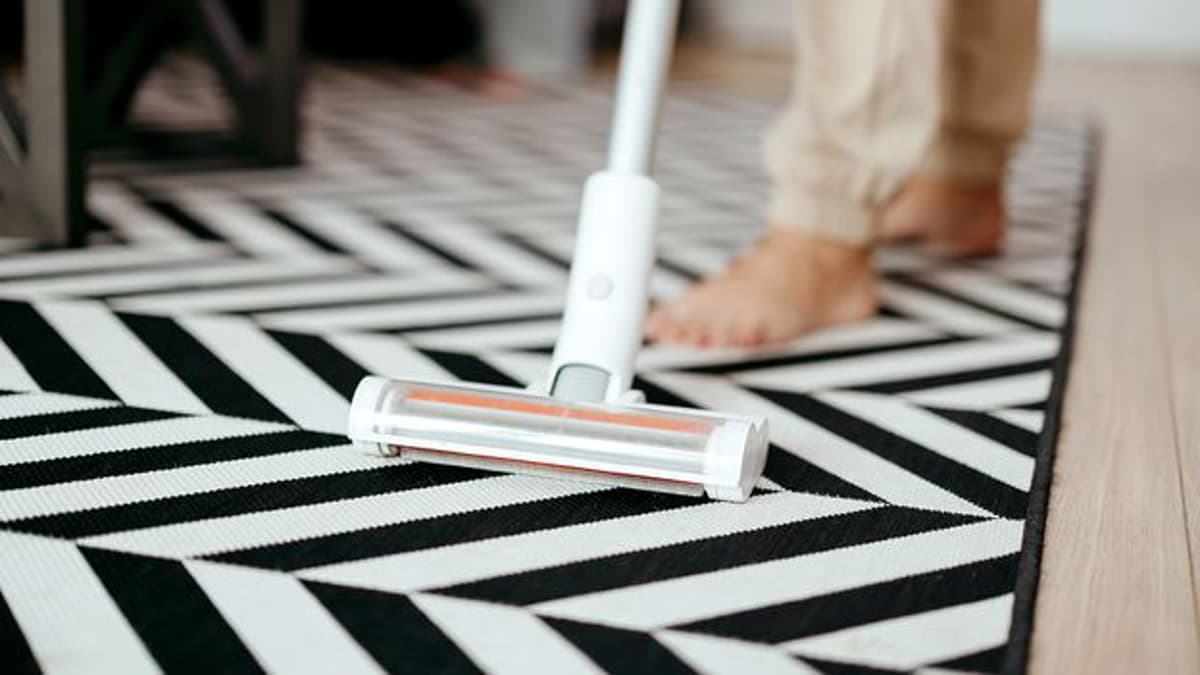
Mitigation strategies are increasingly practical and cost‑effective. Installing high‑efficiency particulate air (HEPA) filters in vacuums and standalone air purifiers can remove up to 99% of airborne particles, and dedicated laundry filters can capture up to 90% of synthetic fibers before they enter wastewater streams. Simple behavioral tweaks—washing full loads, air‑drying garments, and choosing natural‑fiber apparel—further diminish the source pool. When cleaning, wearing an N95 respirator and using wet‑mopping before vacuuming can prevent resuspension of settled dust, ensuring that the act of cleaning does not re‑introduce pollutants into breathing zones.
Beyond individual actions, the indoor microplastic dilemma highlights systemic challenges in global plastic production. The 460 million tonnes of plastic manufactured annually feed a continuous cycle of fiber release, demanding policy interventions that address product design, recycling infrastructure, and consumer education. As scientists uncover more links between inhaled microplastics and inflammation or organ accumulation, regulatory bodies may consider stricter standards for textile manufacturing and indoor air quality. Continued research and coordinated policy will be essential to turn household mitigation into a component of a broader, sustainable solution.
How to breathe in fewer microplastics in your home
Comments
Want to join the conversation?
Loading comments...