Human Ancestors Butchered and Ate Elephants 1.8 Million Years Ago, Helping to Fuel Their Large Brains
Why It Matters
Access to massive, fat‑rich carcasses likely fueled the expensive tissue hypothesis, accelerating brain expansion and social complexity in early humans.
Key Takeaways
- •Elephant butchery dated to 1.8 million years ago at Olduvai.
- •Spatial analysis shows coordinated hominin processing, not scavenger marks.
- •High‑calorie megafauna diet aligns with Homo erectus brain growth.
- •Evidence implies early humans lived in larger, cooperative groups.
- •Find revises megafauna‑hunting timeline by ~300,000 years.
Pulse Analysis
The discovery at Olduvai Gorge’s EAK locality reshapes our understanding of early human subsistence. Until now, the oldest unequivocal signs of megafauna butchery were placed around 1.5 million years ago, based on fragmented evidence from later Oldowan sites. The 1.8‑million‑year‑old Elephas (Paleoxodon) recki skeleton, found alongside characteristic stone flakes, pushes that benchmark back by three hundred thousand years. This pushes Homo erectus—or a closely related hominin—into the role of the first known hunters capable of tackling animals that weigh up to six tonnes, a scale previously reserved for later hominins.
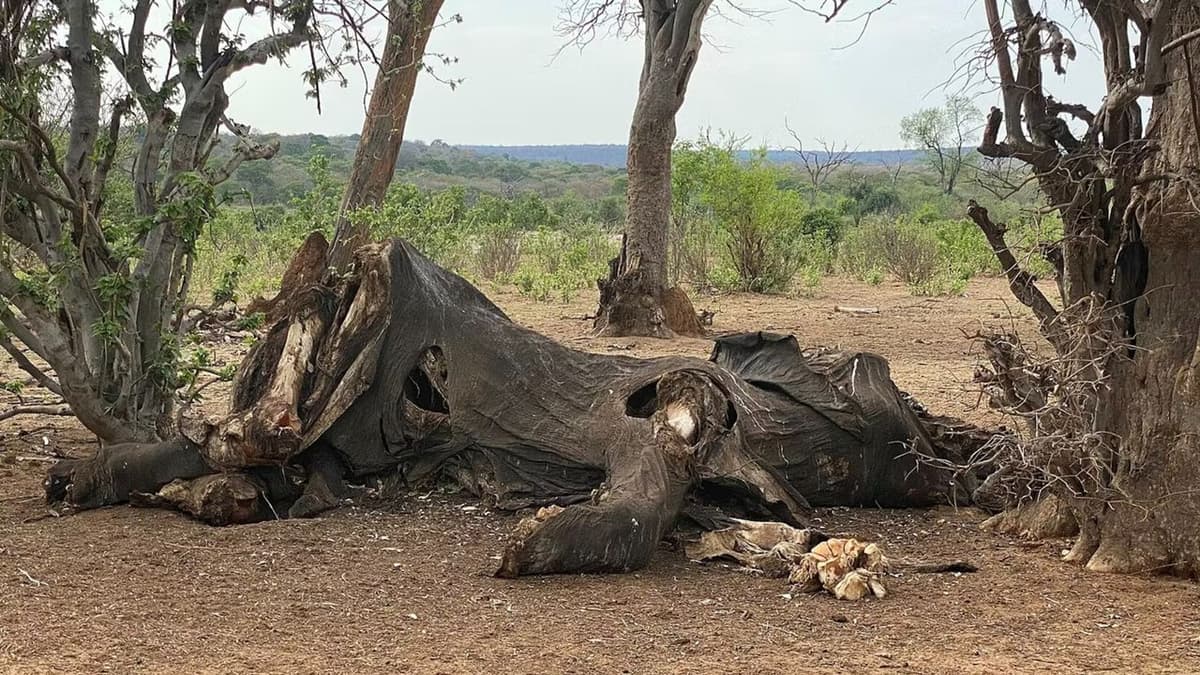
What sets the EAK find apart is the use of spatial taphonomy, a forensic‑style analysis of bone‑tool distribution. Researchers mapped the three‑dimensional spread of elephant fragments and overlaid the locations of Oldowan tools, revealing a dense, non‑random clustering that mirrors modern human kill sites rather than predator‑driven scatter patterns. In addition, several long bones displayed fresh‑break, or “green break,” fractures that only occur when bone is still pliable—something only humans can produce on such a massive skeleton. Comparative data from Botswana elephant carcasses reinforced the conclusion that hominins, not hyenas, performed the butchery.
The broader impact lies in the energetic and social calculus of early humans. The expensive tissue hypothesis posits that a growing brain demands calorie‑dense foods, particularly fat and protein, which megafauna provide in abundance. Securing an elephant could sustain a band for weeks, incentivizing coordinated hunting, tool sharing, and carcass defense—behaviors that presage complex social organization. Moreover, the shift to open savanna habitats around two million years ago would have amplified the advantage of such high‑yield meals, accelerating Homo erectus’s brain expansion and setting the stage for later cultural innovations.
Human ancestors butchered and ate elephants 1.8 million years ago, helping to fuel their large brains
Comments
Want to join the conversation?
Loading comments...