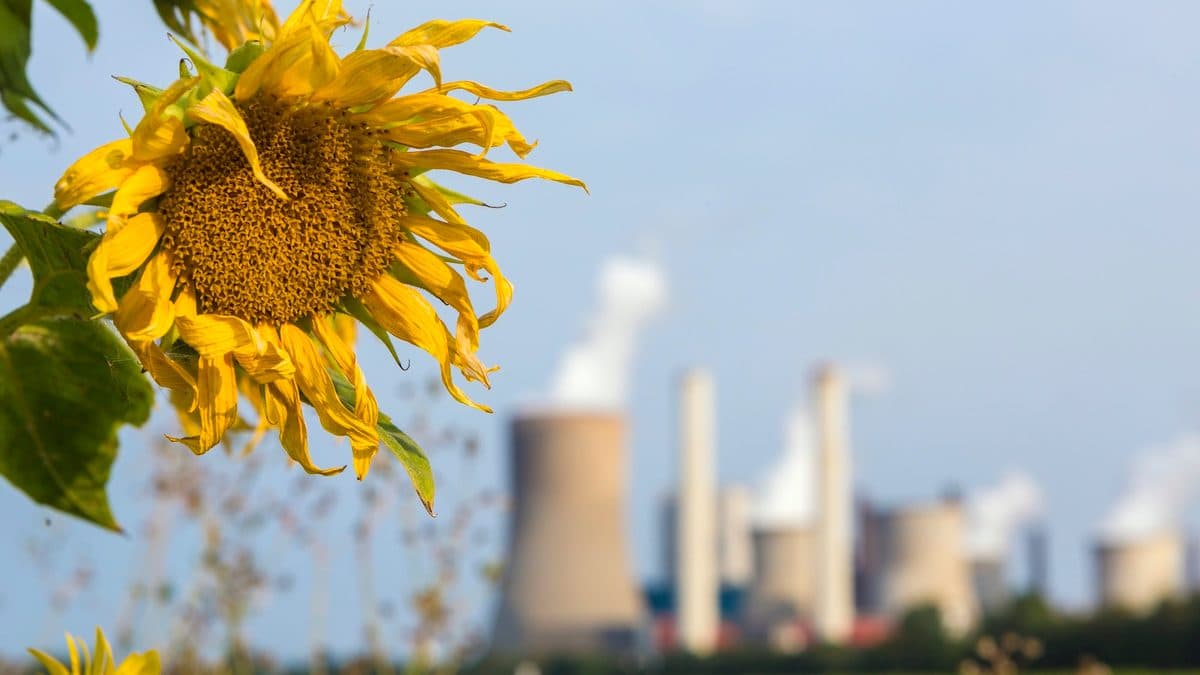
Humans Are Changing How Nature Smells, With Risks for Wildlife
Why It Matters
Disrupted scent communication undermines pollination and mating systems, jeopardizing crop yields, biodiversity and the economic stability of agriculture‑dependent economies.
Key Takeaways
- •Air pollutants degrade floral VOCs, cutting bee scent detection by 70%
- •Ozone reduces moth detection range to 25% of pre‑industrial levels
- •Fungicide exposure impairs bumblebee odor recognition, risking crop pollination
- •Regulatory air‑quality improvements can partially restore scent communication
Pulse Analysis
The concept of "smellscapes"—the composite of volatile chemicals that define a region’s odor profile—has moved from a niche curiosity to a pressing environmental concern. Researchers across continents are documenting how anthropogenic emissions, rising temperatures, and intensive agriculture alter the composition of volatile organic compounds (VOCs) emitted by plants. When ozone or nitrogen oxides react with these VOCs, the resulting chemical breakdown not only changes the scent we perceive but also erases the precise signals insects use to locate food, mates, and nesting sites. This invisible form of pollution is now measurable with costly spectrometers, revealing that even modest increases in atmospheric oxidants can render familiar floral cues unrecognizable.
The ecological fallout is stark. Experiments with honeybees and bumblebees show that exposure to common fungicides or oxidizing pollutants can reduce odor recognition rates by up to 70%, directly threatening the pollination of fruit and vegetable crops that depend on insect vectors. In nocturnal systems, ozone‑induced degradation of night‑blooming flower scents leads to a 75% drop in moth visitation, shrinking the effective pollination radius to just 25% of historic levels. Such impairments ripple through food webs, accelerating the already documented global insect decline and jeopardizing the roughly 70% of food production that relies on animal pollination.
Policy and mitigation offer a path forward. Decades of air‑quality regulation in the United States have gradually lowered ozone and nitrogen oxide concentrations, modestly restoring scent transmission pathways. However, many regions still experience unhealthy pollutant levels, and agricultural practices continue to add VOCs and fungicides to the atmosphere. Strengthening emissions standards, promoting low‑impact farming inputs, and investing in real‑time odor monitoring can help preserve the chemical dialogues that sustain ecosystems. As scientists refine models linking pollutant loads to pollinator performance, stakeholders—from growers to regulators—gain actionable insight to safeguard both biodiversity and the economic foundations of modern agriculture.
Humans Are Changing How Nature Smells, With Risks for Wildlife
Comments
Want to join the conversation?
Loading comments...