Humans Are Killing California Joshua Trees. Can Fungi Save Them?
Companies Mentioned
Why It Matters
Joshua trees are a keystone desert species; boosting their survival is essential for biodiversity and for meeting California’s climate‑adaptation objectives.
Key Takeaways
- •Only 27 of 193 planted seedlings survived (14% survival).
- •Wildfires killed up to 2.3 million Joshua trees in six years.
- •Mycorrhizal fungi may boost water and nutrient uptake for seedlings.
- •Utility line clearing cost Southern California Edison $440,634 in damages.
Pulse Analysis
Joshua trees, the iconic succulents of the Mojave, serve as structural anchors for a host of desert wildlife, from pollinating insects to shelter‑providing birds. Their slow growth—taking five decades to seed—means any loss reverberates through the ecosystem for generations. Climate models now predict that by the end of the century up to 80% of their historic range will be too hot and dry, a scenario that threatens not only the trees themselves but the broader biodiversity that depends on them.
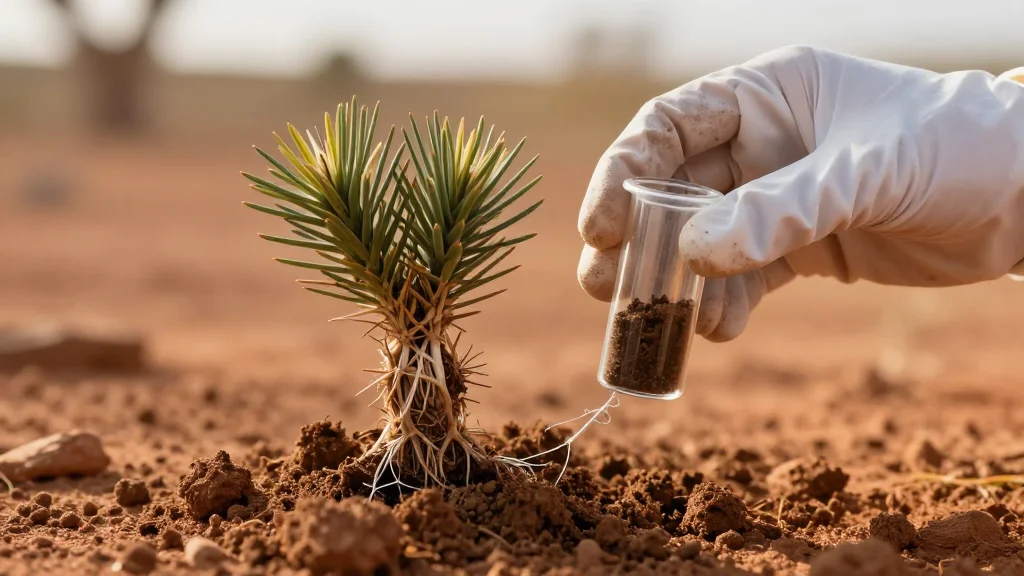
Restoration attempts have struggled to keep pace with these pressures. The National Park Service’s recent planting of 193 seedlings resulted in a stark 14% survival rate, echoing a broader pattern where only about a quarter of seedlings survive after wildfire‑related replanting. Scientists suspect that above‑ground factors like temperature and rainfall tell only part of the story; the hidden partnership between roots and mycorrhizal fungi may be the missing link. By analyzing DNA from soil samples around both dead and thriving saplings, researchers hope to identify fungal strains that enhance water and nutrient acquisition in arid soils, potentially turning a failing restoration model into a scalable solution.
If the fungal inoculation proves effective, it could inform a new generation of desert‑restoration protocols, reducing costly replant failures and supporting California’s ambitious climate‑resilience plans. Moreover, the approach offers a template for other ecosystems where symbiotic microbes are critical to plant survival under stress. Policymakers and land managers would gain a science‑backed tool to prioritize funding, target high‑risk habitats, and accelerate the migration of Joshua trees to cooler elevations, buying time for the species as the planet warms.
Humans are killing California Joshua trees. Can fungi save them?
Comments
Want to join the conversation?
Loading comments...