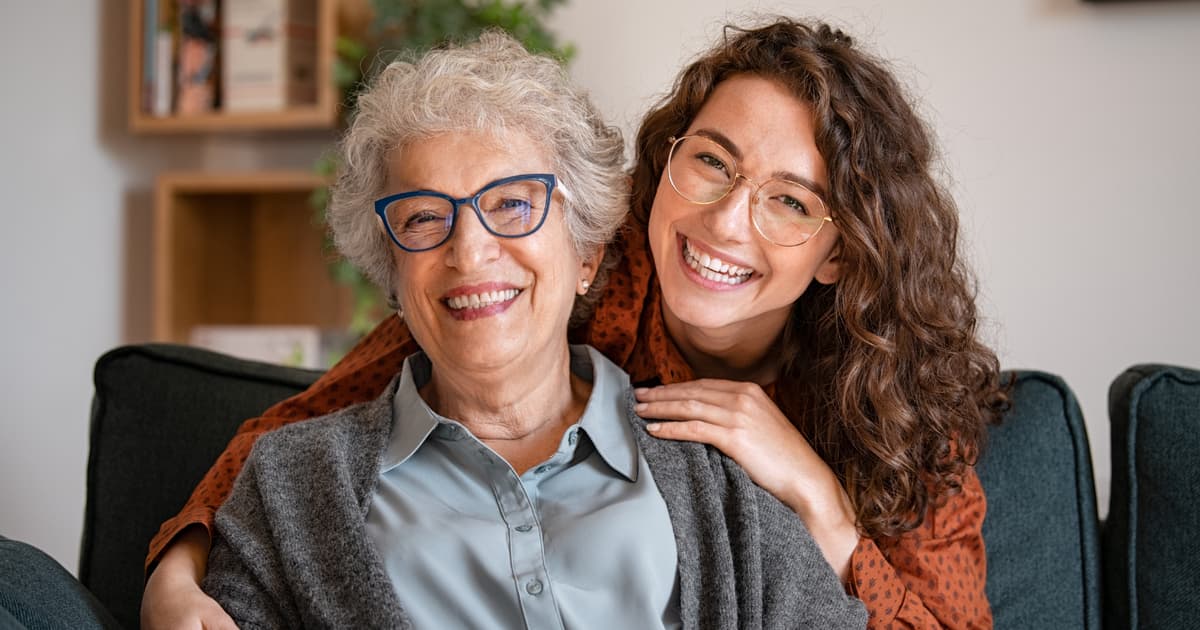
Humans Are One of Very Few Species Whose Females Live for Decades After They Can No Longer Have Children. One Explanation Is the ‘Grandmother Hypothesis’: Long Life May Have Evolved because Grandmothers Who Helped Gather Food and Raise Grandchildren Allowed More of Those Children to Survive — Quietly Selecting, over Generations, for Longevity Itself
Why It Matters
Understanding why humans evolved extended post‑reproductive lifespans reshapes theories of aging, informs public‑health strategies, and highlights the social dimensions of evolutionary fitness.
Key Takeaways
- •Human females often live 30‑40 years beyond reproductive age.
- •Grandmother hypothesis links post‑reproductive help to increased grandchild survival.
- •Whale species like killer whales also show extended post‑reproductive lifespans.
- •Finnish and Canadian records tie longer grandmaternal life to more grandchildren.
- •Competing theories argue selection favored mothers, not grandmothers, for longevity.
Pulse Analysis
The grandmother hypothesis emerged from ethnographic work with the Hadza, a Tanzanian hunter‑gatherer group, where older women were observed excavating deep‑rooted tubers that young children could not reach. By provisioning nutrition to weaning infants, grandmothers allowed mothers to resume fertility sooner, effectively expanding the family’s reproductive output. This insight reframed post‑reproductive women from passive dependents to active contributors, suggesting that natural selection may have favored longevity because it enabled a second generation to enhance the survival of the first.
Comparative data from marine mammals reinforce the plausibility of the hypothesis. Five toothed‑whale species—short‑finned pilot, false killer, killer, narwhal, and beluga—exhibit pronounced post‑reproductive phases, with females living decades beyond the cessation of calving while males die much earlier. Parallel demographic studies in pre‑industrial Finland and Canada reveal that women who survived well past age fifty tended to have more grandchildren, yet the benefit plateaus after the mid‑seventies and paternal grandmothers over seventy‑five sometimes correlate with poorer outcomes. These patterns hint at a biological ceiling on the value of elder assistance.
The hypothesis remains contested. Critics propose the "mother hypothesis," arguing that extended lifespan primarily allowed mothers to finish raising their own late‑born children, not to assist the next generation. Moreover, the strength of the grandmother effect appears context‑dependent, varying across cultures and ecological settings. Resolving these debates matters for modern aging research, as it underscores the potential evolutionary roots of social support networks and intergenerational caregiving. Integrating paleo‑demography, comparative zoology, and contemporary health data could clarify how selection shaped human longevity and inform policies that leverage family structures to improve elder well‑being.
Humans are one of very few species whose females live for decades after they can no longer have children. One explanation is the ‘grandmother hypothesis’: long life may have evolved because grandmothers who helped gather food and raise grandchildren allowed more of those children to survive — quietly selecting, over generations, for longevity itself
Comments
Want to join the conversation?
Loading comments...