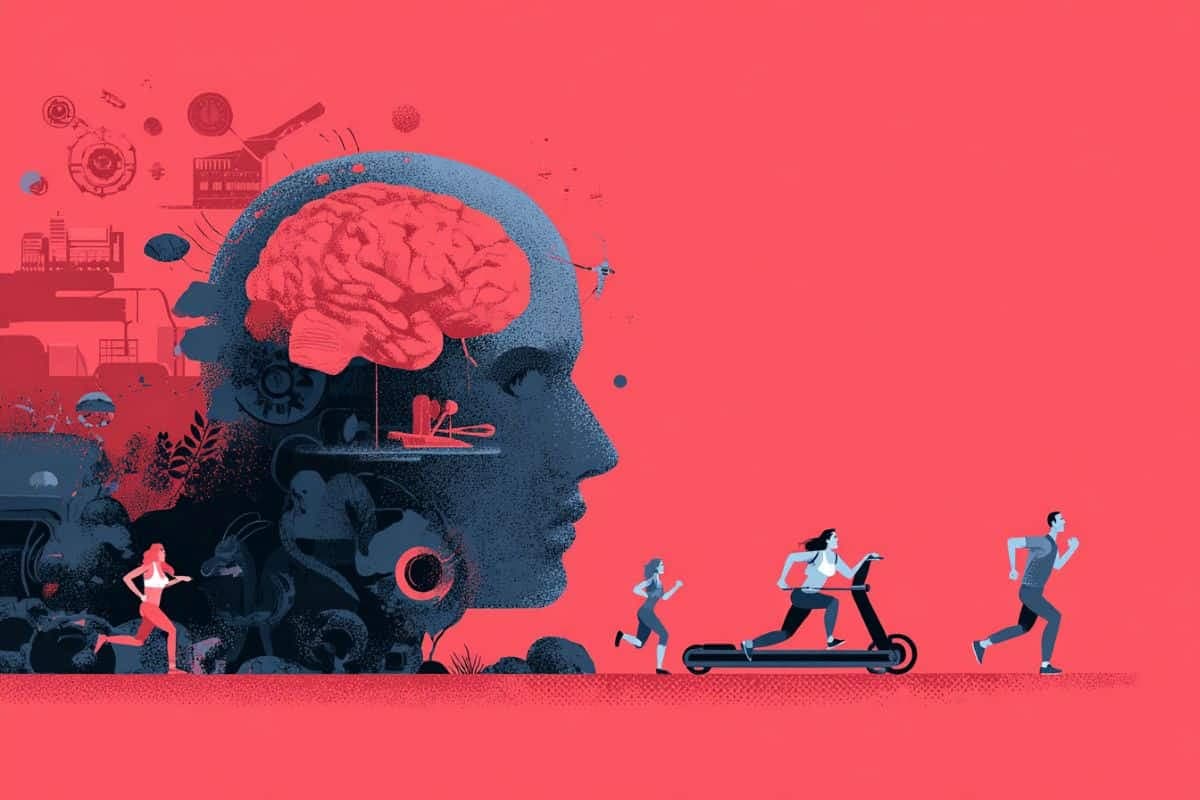
Humans Avoid Wasted Effort Rather Than Exertion
Why It Matters
Reframing effort as a neutral, cost‑benefit calculation reshapes motivation theory and gives businesses a clearer lever—task relevance—to drive engagement and productivity.
Key Takeaways
- •Effort is neutral; only wasted effort is avoided
- •Infants mimic perseverance, showing no innate effort aversion
- •Children enjoy overcoming resistance, smiling after hard tasks
- •Meaningful tasks boost engagement more than reducing difficulty
Pulse Analysis
The traditional "law of laziness" has long guided psychology and management alike, positing that organisms instinctively choose the path of least resistance. The 2026 review overturns that premise by treating effort as a transactional currency rather than an inherent pain source. Developmental evidence—infants who double down after observing perseverance and six‑year‑olds who smile at hard‑won success—demonstrates that the aversion is not to exertion itself but to exertion that fails to deliver value. This reframing aligns with modern cost‑benefit models of decision‑making and explains why extreme‑sport athletes or virtuoso musicians willingly endure grueling practice.
For corporate leaders and educators, the implication is straightforward: reducing task difficulty does not automatically raise motivation. Instead, the perceived payoff—clarity of purpose, relevance to personal goals, and visible impact—determines whether effort is embraced or rejected. Companies that redesign workflows to highlight how each activity contributes to larger objectives see higher engagement scores, lower turnover, and measurable productivity gains. In classrooms, curricula that connect lessons to real‑world outcomes outperform rote simplification, fostering deeper learning and intrinsic curiosity.
Clinically, the paper distinguishes ordinary disengagement from pathological effort aversion rooted in dopaminergic dysfunction. When dopamine signaling wanes, the reward signal that normally balances effort’s cost diminishes, turning neutral effort into genuine distress. This insight opens avenues for targeted interventions—pharmacological, behavioral, or environmental—that restore the reward‑effort equilibrium. Future research will need to map the precise neurocircuitry linking intrinsic motivation to dopamine, and to test whether enhancing task meaningfulness can mitigate symptoms in conditions like depression or chronic fatigue syndrome.
Humans Avoid Wasted Effort Rather Than Exertion
Comments
Want to join the conversation?
Loading comments...