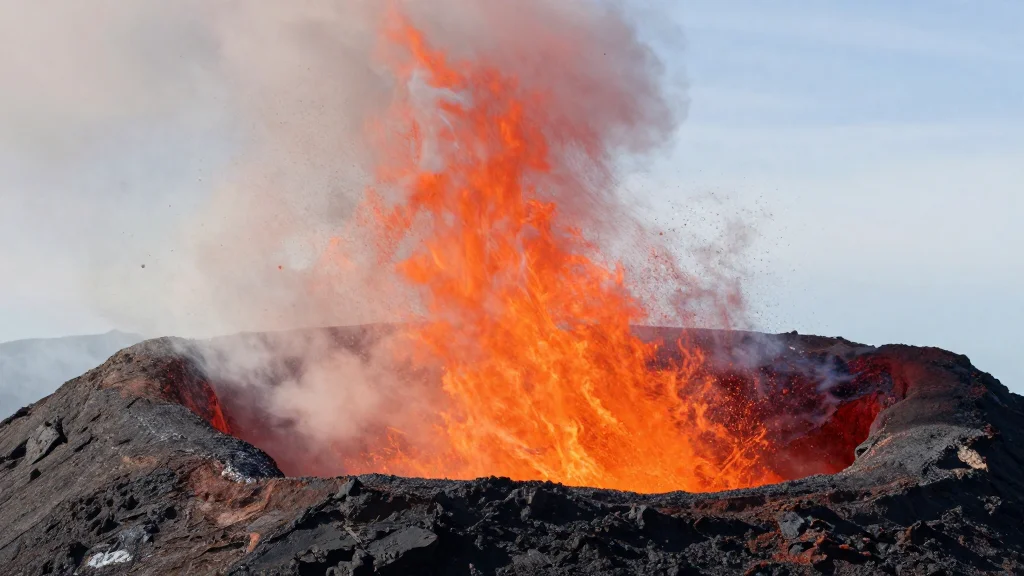
Hunga Tonga Eruption May Naturally Scrub Methane From the Stratosphere, Study Finds

Why It Matters
Understanding that volcanic eruptions can trigger chemical pathways that break down methane reshapes how scientists view natural climate feedbacks. If the chlorine‑driven mechanism can be replicated or enhanced, it could become a rapid-response tool to curb methane spikes from industrial leaks, agriculture, or permafrost thaw. Moreover, the research highlights the need to integrate atmospheric chemistry insights into geoengineering debates, ensuring that any intervention is grounded in observed natural processes rather than speculative engineering. The discovery also underscores the importance of high‑resolution satellite monitoring for detecting transient atmospheric compounds like formaldehyde. Such capabilities could improve real‑time tracking of methane mitigation efforts and help validate future climate‑intervention technologies.
Key Takeaways
- •Satellite data revealed a persistent formaldehyde cloud after the Hunga Tonga eruption, indicating ongoing methane breakdown.
- •Researchers estimate the plume destroyed roughly 900 tons of methane per day, about 0.27% of the eruption's total methane release.
- •The process mirrors a known chlorine‑producing reaction observed when Saharan dust mixes with Atlantic sea spray.
- •Atmospheric chemist Pete Edwards warns that relying solely on formaldehyde observations leaves key uncertainties unresolved.
- •Authors propose the mechanism could inform engineered methane‑scrubbing or geoengineering strategies, pending further study.
Pulse Analysis
The Hunga Tonga findings arrive at a moment when the climate community is scrambling for fast‑acting solutions to methane, a short‑lived but high‑impact greenhouse gas. Historically, mitigation has focused on supply‑side measures—capturing leaks, improving livestock management, and reducing fossil‑fuel emissions. This study flips the script by suggesting a post‑emission, atmospheric‑chemistry approach that leverages sunlight‑driven reactions. If scalable, such a method could complement existing strategies, offering a rapid, albeit temporary, dip in atmospheric methane concentrations.
However, the path from volcanic curiosity to engineered climate tool is fraught with scientific and governance challenges. The chlorine chemistry that works in the thin stratosphere may behave differently at lower altitudes, where most anthropogenic methane resides. Moreover, injecting chlorine‑bearing particles raises concerns about ozone depletion, acid rain, and unintended radiative effects. The skepticism voiced by Pete Edwards reflects a broader caution within the atmospheric science community: novel observational proxies must be corroborated with direct measurements and mechanistic experiments before policy can be built upon them.
Looking ahead, the key will be interdisciplinary collaboration—combining satellite remote sensing, laboratory photochemistry, and climate modeling—to quantify the net climate benefit versus side effects. If future research validates the efficacy and safety of controlled chlorine‑particle releases, policymakers could consider a limited, regulated deployment as part of a broader methane‑reduction portfolio. Until then, the Hunga Tonga eruption remains a natural laboratory, reminding us that Earth’s own processes sometimes hint at solutions we have yet to fully understand.
Hunga Tonga eruption may naturally scrub methane from the stratosphere, study finds
Comments
Want to join the conversation?
Loading comments...