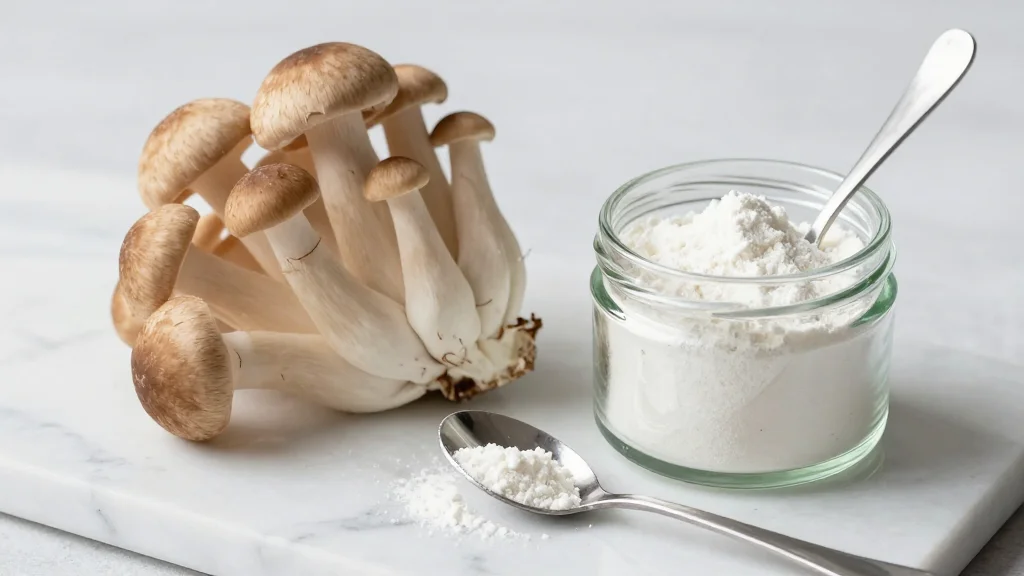
Hypsizygus Marmoreus Polysaccharides Protect Against Cisplatin-Induced Intestinal Mucositis via Modulation of Gut Microbiota, Inflammation, and Intestinal Barrier Function
Why It Matters
HMP offers a multi‑mechanistic, diet‑based strategy to protect cancer patients from debilitating mucositis, potentially improving treatment adherence and outcomes. Its ability to modulate inflammation and the microbiome could inspire broader nutraceutical approaches in oncology supportive care.
Key Takeaways
- •HMP extracted with 16% yield, mainly glucose and galactose.
- •Oral HMP (10 mg kg⁻¹) reduced cisplatin‑induced weight loss by ~8%.
- •HMP restored tight‑junction proteins ZO‑1, Claudin‑1, Occludin in mice.
- •Pro‑inflammatory cytokines TNF‑α, IL‑1β, IL‑6 markedly lowered by HMP.
- •Beneficial microbes Akkermansia muciniphila and Bifidobacterium increased after HMP.
Pulse Analysis
Chemotherapy‑induced intestinal mucositis remains a major dose‑limiting side effect, especially with platinum agents like cisplatin. While current supportive measures are largely symptomatic, emerging research highlights the gut microbiome and barrier integrity as therapeutic targets. The recent study on Hypsizygus marmoreus polysaccharides (HMP) adds to this narrative by demonstrating that a naturally derived, high‑molecular‑weight polysaccharide can simultaneously act as an antioxidant, anti‑inflammatory agent, and prebiotic fiber, thereby addressing several pathogenic pathways at once.
In preclinical trials, HMP administered orally at 10 mg kg⁻¹ markedly attenuated the clinical hallmarks of mucositis: mice experienced less weight loss, reduced diarrhea scores, and preserved colon length compared with cisplatin‑only controls. Histological analysis revealed restored epithelial architecture and up‑regulation of tight‑junction proteins such as ZO‑1, Claudin‑1, and Occludin, indicating reinforced barrier function. Concurrently, serum levels of key cytokines—TNF‑α, IL‑1β, and IL‑6—were significantly lowered, underscoring HMP’s capacity to dampen systemic inflammation.
Beyond host tissue protection, HMP reshaped the intestinal microbiota, enriching beneficial taxa like Akkermansia muciniphila and Bifidobacterium pseudolongum, which are known to produce short‑chain fatty acids and support mucosal health. This dual action—fortifying the epithelial barrier while fostering a favorable microbial ecosystem—suggests that HMP could be integrated into multimodal supportive care regimens for oncology patients. Future clinical trials will be essential to confirm dosing, safety, and efficacy in humans, but the current evidence positions mushroom‑derived polysaccharides as a promising, low‑cost adjunct to improve chemotherapy tolerance and patient quality of life.
Hypsizygus marmoreus polysaccharides protect against cisplatin-induced intestinal mucositis via modulation of gut microbiota, inflammation, and intestinal barrier function
Comments
Want to join the conversation?
Loading comments...