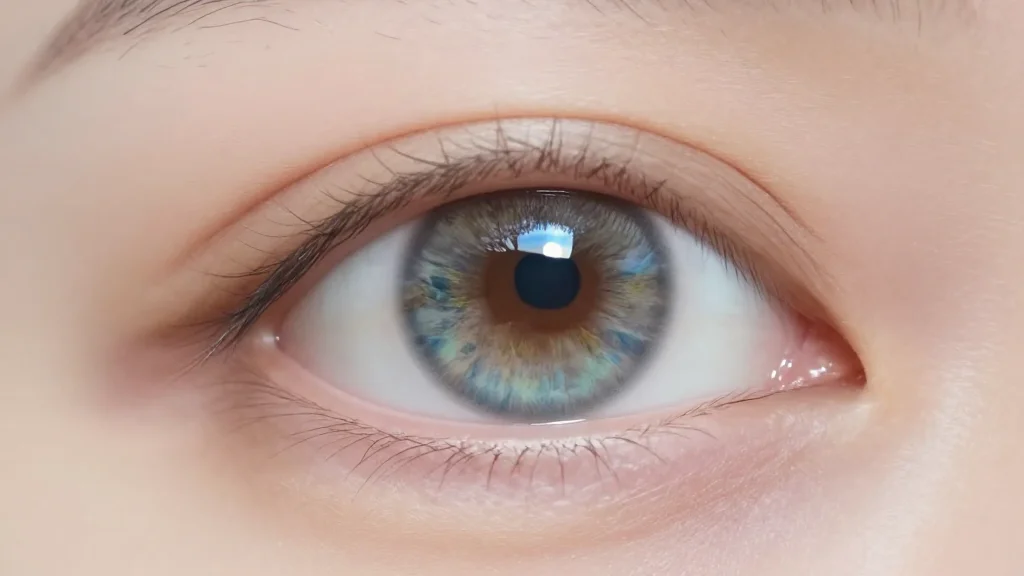
I Don’t See Images in My Head. Can Training Give Me a Mind’s Eye?
Why It Matters
Demonstrating trainable mental imagery would reshape theories of neuroplasticity and open therapeutic avenues for cognitive and learning disorders. It also offers a new market for brain‑training technologies targeting visual thinking skills.
Key Takeaways
- •Aphantasia affects ~2% of population, lacking voluntary visual imagery
- •Online communities like Reddit's Cure Aphantasia host ~3,000 members
- •Training programs aim to enhance mental imagery through guided visualization exercises
- •Success could reshape neuroscience views on neuroplasticity of visual cognition
Pulse Analysis
The surge of interest in aphantasia reflects a broader cultural shift toward understanding cognitive diversity. While historically dismissed as a curiosity, recent neuroimaging studies reveal distinct activation patterns in the visual cortex of people who cannot conjure images. This scientific backdrop fuels the emergence of grassroots initiatives, where participants exchange techniques ranging from vivid description drills to biofeedback‑guided meditation. By aggregating anecdotal data, these communities provide researchers with real‑world cohorts to test hypotheses about the malleability of mental imagery.
Training programs targeting aphantasia draw on principles of neuroplasticity, the brain's capacity to reorganize connections through repeated practice. Techniques such as guided visualisation, mental rehearsal, and even virtual‑reality exposure aim to recruit dormant visual pathways, potentially strengthening synaptic links. Early pilot trials report modest gains in self‑reported vividness scores, suggesting that even a limited dose of structured practice can shift subjective experience. If replicated at scale, these findings could inform interventions for related conditions, including dyslexia, post‑traumatic stress disorder, and age‑related memory decline, where visual imagination plays a therapeutic role.
Commercial implications are equally compelling. Companies developing brain‑training apps, neurofeedback hardware, and immersive learning platforms see aphantasia as a niche yet untapped market. Tailored curricula could command premium pricing, especially if validated by peer‑reviewed research. Moreover, the data generated from user interactions could accelerate AI models that simulate human visual imagination, enhancing everything from design tools to educational software. As the scientific community continues to probe whether the mind's eye can be trained, both academia and industry stand to gain from a deeper grasp of how visual thought emerges and evolves.
I don’t see images in my head. Can training give me a mind’s eye?
Comments
Want to join the conversation?
Loading comments...