I Found a New Meteor Shower, and It Comes From an Asteroid Getting Broken Down by the Sun
Why It Matters
The hidden, Sun‑skimming asteroid provides a new probe of near‑Earth object populations, improving our understanding of asteroid evolution and strengthening planetary‑defense monitoring. Detecting such bodies early helps assess impact risk from objects that traditional surveys miss.
Key Takeaways
- •282 meteors trace a Sun‑skimming asteroid fragment
- •Stream’s orbit reaches five times closer to Sun than Earth
- •Fragment shows moderate fragility, tougher than comet dust
- •Findings aid detection of dark, near‑Sun asteroids
Pulse Analysis
All‑sky camera networks, from Canada to Japan and Europe, have turned the night sky into a continuous meteor‑watching laboratory. By automatically recording thousands of fireballs each night, these systems capture the faint dust trails left by both comets and asteroids. Historically, scientists have relied on visual telescopic observations to spot active bodies, but meteoric debris offers a far more sensitive fingerprint for objects that are too small or too dark to see directly. This approach has already uncovered well‑known streams like the Geminids, linked to asteroid 3200 Phaethon, and now adds a fresh, previously hidden stream to the catalog.
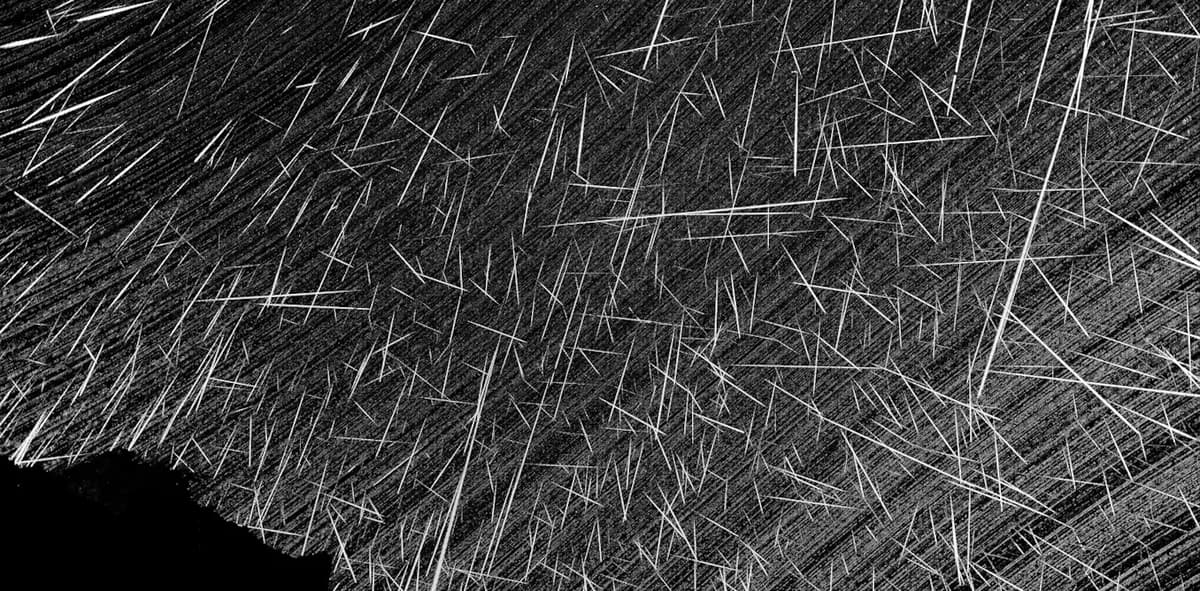
The March 2026 study combed through millions of recorded meteors and isolated a tight cluster of 282 events that share a common radiant and velocity. Their orbital calculations reveal a path that plunges deep into the Sun’s heat, roughly 0.1 AU from the solar surface—about five times nearer than Earth’s orbit. When these fragments enter Earth’s atmosphere they burn at over 15 miles per second, producing meteors that are brighter than typical dust but less robust than larger bolides. Their physical signatures suggest a rocky composition that has been thermally cracked, offering a rare glimpse of how solar heating can actively erode asteroids, a process thought to have driven past activity on Phaethon.
Looking ahead, NASA’s upcoming NEO Surveyor mission, slated for launch in 2027, will target precisely these dark, Sun‑approaching objects. By combining infrared detection with the meteoric evidence already gathered, scientists expect to pinpoint the parent body of this new stream and map other hidden populations. Such insights are critical for planetary‑defense strategies, as they expand the inventory of potentially hazardous asteroids that conventional optical surveys overlook. Moreover, understanding solar‑driven disintegration enriches models of solar system evolution, linking present‑day meteor showers to the long‑term lifecycle of rocky bodies.
I found a new meteor shower, and it comes from an asteroid getting broken down by the Sun
Comments
Want to join the conversation?
Loading comments...