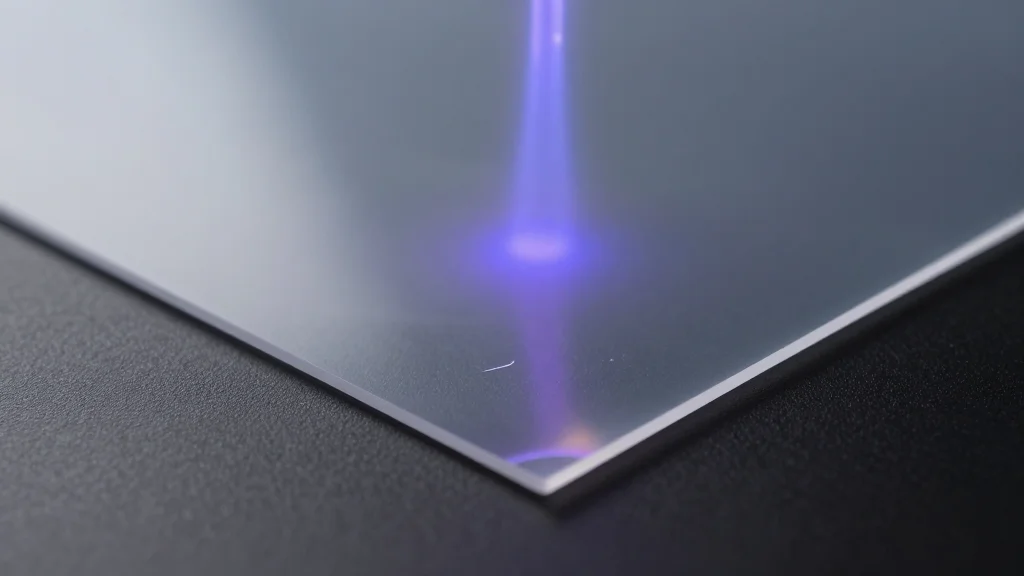
Impact of Ionic Wind-Driven DBD Plasma on the Surface Electrical, Mechanical and Chemical Characteristics of Polyethylene, Polypropylene and CR-39
Why It Matters
The ability to modify electrical and mechanical properties of common polymers without bulk alteration opens new design pathways for durable, high‑efficiency solar modules and other advanced engineering products.
Key Takeaways
- •Ionic wind DBD plasma treats polymers at 18 kV for up to 50 min.
- •N⁺ ions penetrate ~0.17 µm in PE/PP, ~0.2 µm in CR‑39.
- •Surface hardness improves markedly after 20‑40 min treatment.
- •Conductivity increases on all three polymers, strongest in CR‑39.
- •Technique enables tailored polymer surfaces for photovoltaic encapsulation.
Pulse Analysis
Atmospheric plasma techniques have become a mainstay for polymer surface activation, yet many processes rely on high‑energy gases or complex equipment. Dielectric barrier discharge (DBD) offers a low‑temperature, atmospheric‑pressure alternative, and when coupled with ionic wind, it generates a directed flow of charged species that can be harnessed for precise ion implantation. This approach sidesteps the need for vacuum chambers and reduces thermal stress on substrates, making it attractive for large‑scale manufacturing of flexible electronics, medical devices, and packaging materials.
In the recent study, researchers applied an 18 kV DBD source to polyethylene, polypropylene and CR‑39 for up to 50 minutes, achieving nitrogen ion (N⁺) implantation depths of roughly 0.17 µm in PE/PP and 0.2 µm in CR‑39, as predicted by SRIM/TRIM simulations. Microscopic analysis revealed aligned ion tracks and micro‑trenches, while FTIR spectroscopy detected new nitrogen‑containing functional groups. Electrical measurements showed a measurable rise in surface conductivity, and nano‑indentation indicated a 20‑40 % increase in hardness, particularly after 20‑40 minutes of exposure. These combined electrical, mechanical, and chemical enhancements demonstrate that DBD‑assisted ion implantation can tailor surface performance without compromising bulk properties.
The implications extend beyond academic interest. Photovoltaic modules rely on polymer encapsulants like PE and PP to protect cells from moisture and mechanical stress; improving their surface conductivity and hardness can enhance charge dissipation and resistance to abrasion, potentially extending module lifetimes. Moreover, the technique’s ambient‑pressure operation and relatively short treatment times suggest a viable pathway for roll‑to‑roll processing in the solar industry and other sectors seeking durable, functionalized polymers. As manufacturers pursue higher efficiency and reliability, DBD‑driven ionic wind ion implantation may become a key tool in the next generation of polymer engineering.
Impact of Ionic Wind-Driven DBD Plasma on the Surface Electrical, Mechanical and Chemical Characteristics of Polyethylene, Polypropylene and CR-39
Comments
Want to join the conversation?
Loading comments...