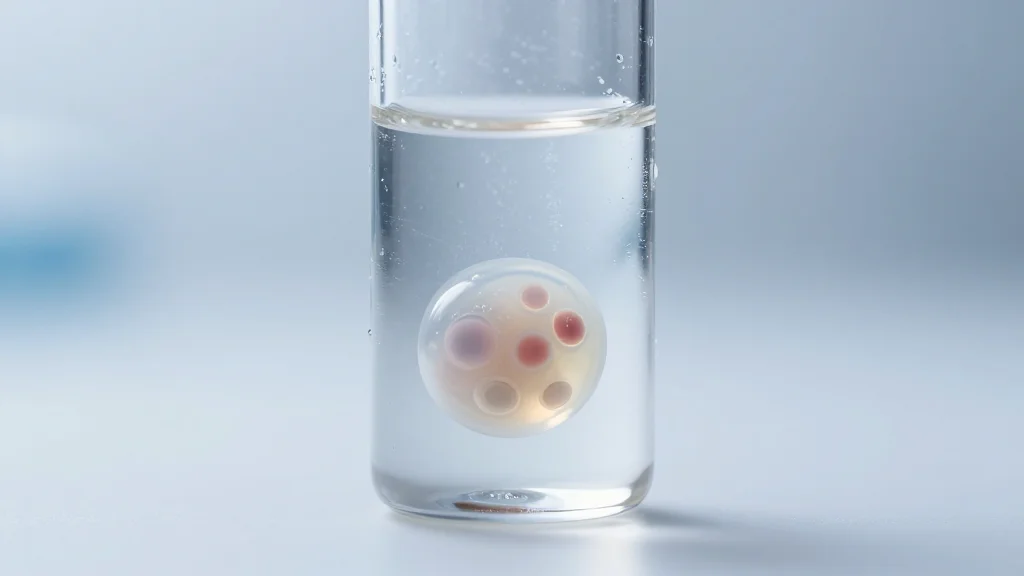
Improved Embryo Freezing Technique Could Preserve Endangered Species
Why It Matters
By eliminating ice‑induced damage, the method promises higher success rates for assisted reproduction and a reliable tool for conserving biodiversity, addressing a long‑standing bottleneck in cryopreservation.
Key Takeaways
- •Ultrafast cooling speeds freeze embryos 30× faster, eliminating ice formation
- •Bovine embryos frozen with new method develop like fresh, unfrozen embryos
- •Reduced cryoprotectant levels by 30% while maintaining embryo viability
- •Technique promises higher IVF success and livestock breeding efficiency
- •Enables better conservation of endangered species by preserving genetic material
Pulse Analysis
The new ultrafast vitrification protocol leverages technology originally designed for freezing biomolecular crystals, accelerating the cooling phase to a fraction of a second. By bypassing the temperature window where water molecules arrange into damaging ice crystals, embryos remain structurally intact and retain their developmental potential. Researchers demonstrated the method on bovine embryos—a notoriously difficult model due to their size—and achieved ice‑free preservation even when cryoprotectant concentrations were cut by nearly a third, a breakthrough that could lower toxicity risks.
In human in‑vitro fertilization, variability in cryopreservation outcomes has long plagued clinics, leading to inconsistent pregnancy rates. The ultrafast approach offers a more uniform freeze‑thaw cycle, reducing cellular stress and DNA‑damage responses that standard protocols trigger. Livestock producers stand to benefit as well; higher embryo survival translates into faster genetic improvement cycles and lower costs for breeding programs. Moreover, transcriptomic analysis revealed that embryos frozen at conventional speeds activate DNA‑repair pathways, whereas ultrafast‑cooled embryos show minimal stress signatures, underscoring the biological advantage of ice‑free vitrification.
Beyond agriculture and medicine, the technique opens a viable pathway for safeguarding endangered species. Many conservation programs rely on embryo banking, yet low survival after thaw has limited their effectiveness. With a reliable, low‑toxicity method, biobanks can store a broader genetic repertoire, enhancing resilience against habitat loss and climate change. The same principles could extend to stem‑cell lines and thin tissue samples, positioning the technology as a versatile platform for future cryobiology research. Continued optimization of cryoprotectant formulations and genomic biomarkers will likely refine the process, making it a cornerstone of biodiversity preservation and reproductive technology.
Improved embryo freezing technique could preserve endangered species
Comments
Want to join the conversation?
Loading comments...