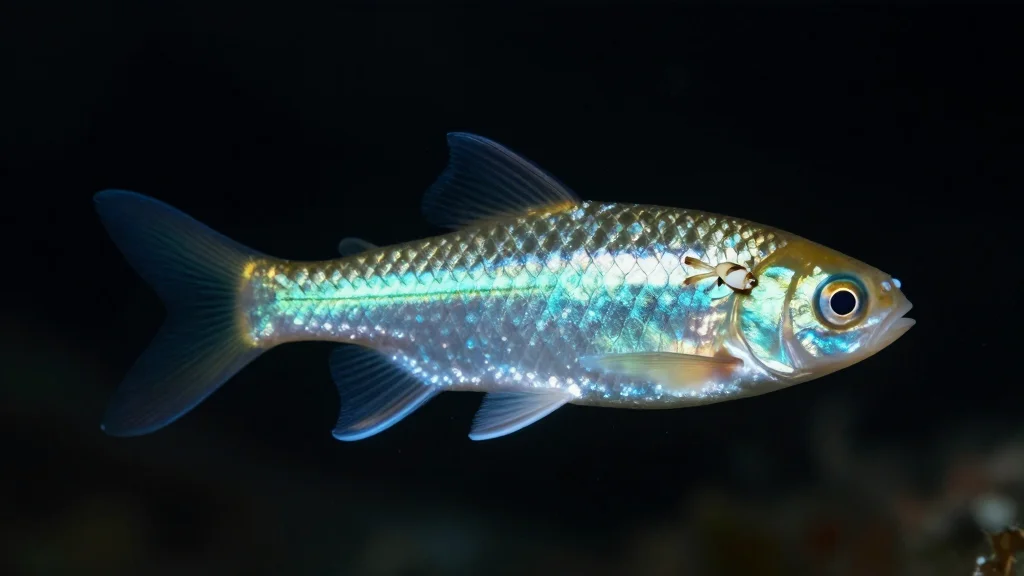
In a First, This Animal Hijacks the Power of Bioluminescence From Its Victims
Why It Matters
The finding reveals a novel evolutionary shortcut for acquiring energy‑intensive functions, reshaping how scientists view trait acquisition and offering clues for bio‑inspired light technologies.
Key Takeaways
- •Golden sweeper fish lacks its own luciferase gene.
- •Fish extracts luciferase protein directly from sea firefly prey.
- •Bioluminescence serves counterillumination, masking silhouettes from predators.
- •Strategy avoids energy cost of synthesizing light‑producing enzymes.
Pulse Analysis
Bioluminescence has long fascinated biologists because it requires a precise enzymatic cascade—typically luciferase, its substrate, and accessory proteins—all encoded in an organism’s DNA. Most marine species that glow, from lanternfish to deep‑sea squid, carry the genetic blueprint for these components, often evolving them independently or acquiring them through rare horizontal gene transfer events. The metabolic expense of maintaining and expressing these genes is substantial, prompting researchers to explore how some organisms might sidestep this cost.
The Tohoku University team applied whole‑genome sequencing to Parapriacanthus ransonneti and found a complete absence of luciferase genes, ruling out self‑production or gene‑borrowing via horizontal transfer. Instead, the fish practices kleptoprotein acquisition: it ingests the sea firefly Vargula hilgendorfii, extracts the intact luciferase protein, and transports it to specialized light organs. This external supply fuels a counterillumination strategy, where the fish’s glow matches ambient downwelling light, erasing its silhouette from predators below. The mechanism illustrates a sophisticated ecological partnership and a previously undocumented way to harness complex biochemical tools without genomic investment.
Beyond its ecological intrigue, this discovery challenges conventional models of trait evolution, suggesting that protein‑level theft can substitute for genetic innovation in certain niches. It also opens avenues for bio‑engineered lighting systems that rely on harvested enzymes rather than synthetic production, potentially lowering energy demands. Future research will need to decode the molecular transport pathways that protect the foreign luciferase from degradation and explore whether similar kleptoprotein tactics exist elsewhere in the ocean’s biodiversity. Understanding these processes could inform conservation strategies for bioluminescent habitats threatened by climate change and overfishing.
In a first, this animal hijacks the power of bioluminescence from its victims
Comments
Want to join the conversation?
Loading comments...