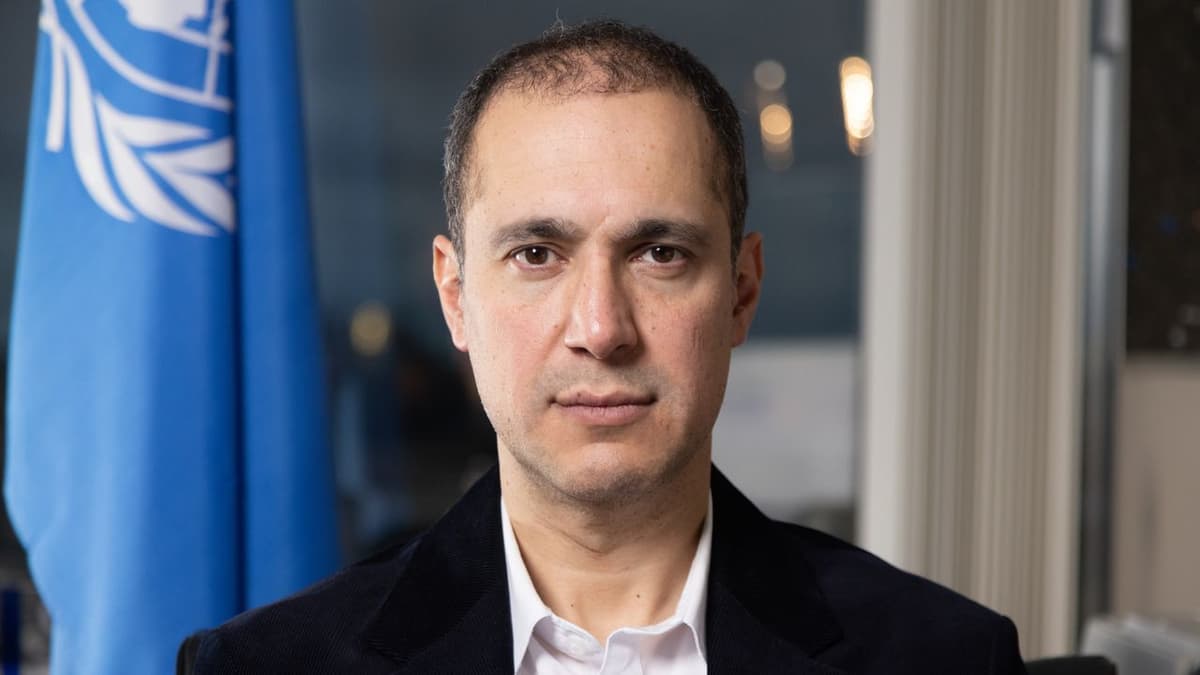
'In Every Continent Where Humans Are Present, Water Bankruptcy Is Manifesting Itself': Exiled Iranian Scientist Kaveh Madani on Our Desperate Need to Preserve Our Most Precious Resource
Why It Matters
The water‑bankruptcy framework reframes scarcity as an irreversible, financial‑like failure, urging policymakers to cut consumption as well as boost supply. Failure to act could trigger widespread socioeconomic disruption, from agricultural collapse to heightened migration.
Key Takeaways
- •Madani won the 2026 Stockholm Water Prize for sustainable water management
- •He coined “water bankruptcy” describing insolvent, irreversible water systems
- •Report warns 280 million people could be displaced by water loss annually
- •Demand‑side policies, not just supply expansion, are crucial to avert crises
- •AI data centers add new water demand, risking further resource strain
Pulse Analysis
The United Nations’ latest water‑bankruptcy report, authored by Kaveh Madani, marks a turning point in how the global community frames freshwater scarcity. By coupling insolvency—using more water than natural recharge—with irreversibility—loss of ecosystem resilience—the term captures a crisis that transcends traditional drought narratives. The analysis shows that every continent now exhibits symptoms, from over‑extracted aquifers in Canada to polluted rivers in Southeast Asia, underscoring that water‑rich regions are not immune when quality declines.
Policy responses have long favored supply‑side solutions such as dams, desalination, and deeper wells. Madani argues that this approach is insufficient; without robust demand‑control mechanisms, added supply merely postpones collapse. Effective strategies include tiered pricing, strict water‑use caps for high‑consumption sectors, and transparent water accounting that reveals the true “return on investment per drop.” Diversifying economies—shifting labor from water‑intensive agriculture to services and light industry—can also reduce pressure on limited resources while safeguarding livelihoods in the Global South.
A new, often overlooked driver of water stress is the rapid expansion of AI and data‑center infrastructure. These facilities demand significant cooling water, linking digital growth directly to freshwater consumption. Proactive governance—such as mandating water‑efficient cooling technologies and integrating water‑impact assessments into tech investment decisions—will be essential to prevent a feedback loop where high‑value tech displaces essential food and ecosystem water needs. As the world grapples with water bankruptcy, balancing innovation with stewardship will determine whether societies can avert irreversible damage.
'In every continent where humans are present, water bankruptcy is manifesting itself': Exiled Iranian scientist Kaveh Madani on our desperate need to preserve our most precious resource
Comments
Want to join the conversation?
Loading comments...