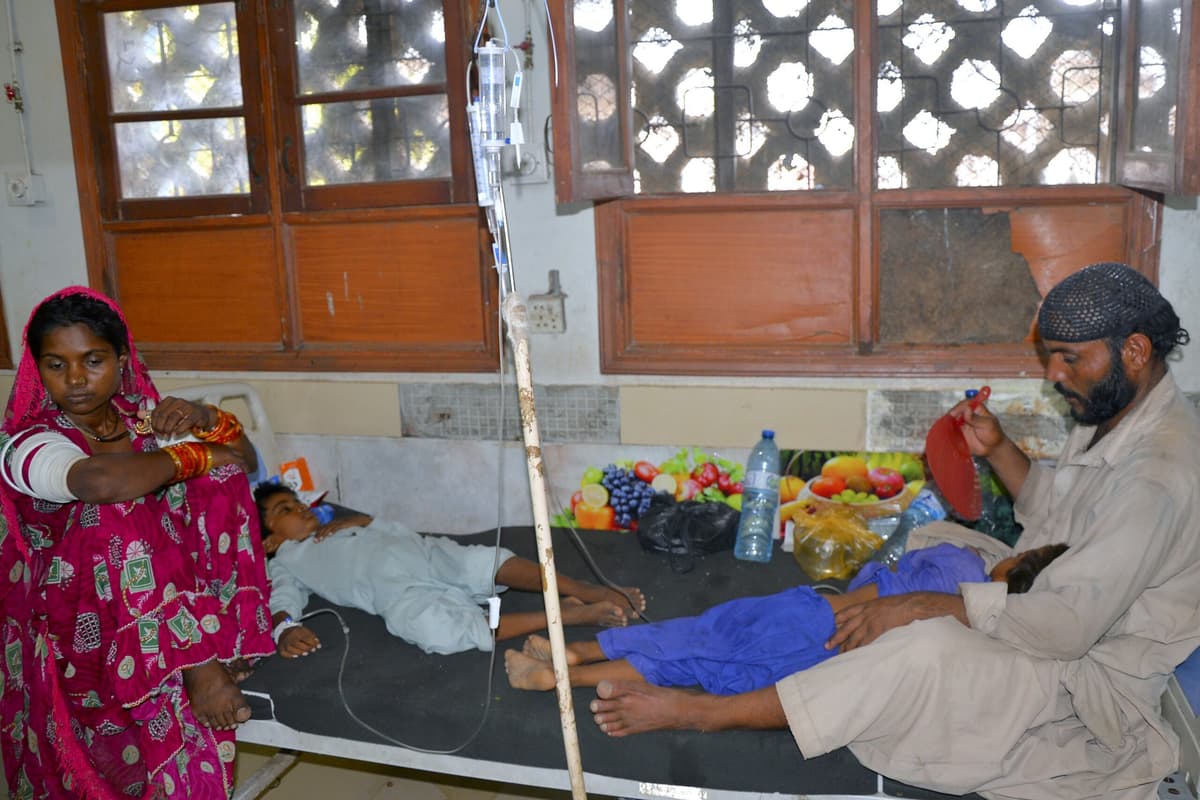
In Pakistan’s Deadly Heat, Low-Cost Cooling Tools Offer a Lifeline for Pregnant Women
Why It Matters
Affordable, culturally appropriate cooling can reduce maternal and neonatal health risks in heat‑vulnerable low‑income communities, providing a scalable public‑health solution as climate‑driven heat waves intensify.
Key Takeaways
- •Low‑tech cooling cut indoor temps 3‑4 °C in trial
- •Heat raises risk of low birth weight by up to 13 %
- •Canvas canopies respect purdah while providing shade
- •Half of pregnant patients report heat‑related complications
Pulse Analysis
Pakistan’s urban centers are experiencing record‑breaking heat, with Karachi regularly hitting 40 °C (104 °F) and “feels‑like” temperatures approaching 50 °C (122 °F). Climate‑change models predict an additional 2‑7 °C rise, intensifying the urban heat‑island effect that traps heat in densely built neighborhoods. For pregnant women, prolonged exposure elevates risks of hypertension, respiratory distress, and low birth weight, contributing to the country’s neonatal mortality rate—more than double that of neighboring India and Bangladesh. These health pressures are compounded by unreliable electricity, limiting access to conventional air‑conditioning.
In response, a field trial led by Aga Khan University deployed simple, low‑cost interventions: canvas canopies supported by bamboo poles, hand‑held fans, damp washcloths, and solar‑reflective paint. The suite of tools achieved a measurable 3‑4 °C temperature drop inside homes, providing immediate comfort without relying on power grids. Cultural sensitivities were also addressed; canopies create shaded outdoor spaces where women observing purdah can rest safely, circumventing restrictions that prevent window‑side cooling. Midwives like Neha Mankani have begun distributing care packages that include cotton clothing, misting spray bottles, rehydration salts, and hand fans, further extending the reach of these adaptations.
The implications extend beyond individual households. Demonstrating that inexpensive, locally sourced materials can mitigate heat stress offers policymakers a viable, scalable pathway to protect vulnerable populations as extreme weather becomes more frequent. Integrating such interventions into public health programs could lower the incidence of heat‑related pregnancy loss and improve neonatal outcomes, aligning with broader climate‑resilience goals. As global attention sharpens on climate justice, Pakistan’s low‑tech model may serve as a blueprint for other low‑income regions facing similar thermal challenges.
In Pakistan’s deadly heat, low-cost cooling tools offer a lifeline for pregnant women
Comments
Want to join the conversation?
Loading comments...