In the Smoky Mountains, a Volunteer Effort Aims to Document Every Species — Before It’s Too Late
Why It Matters
The volunteer‑driven inventory provides critical, continuous biodiversity monitoring that informs conservation actions in the nation’s most species‑rich park, especially as climate stress and funding cuts intensify.
Key Takeaways
- •GRISLD volunteers log species across all seasons, filling research gaps
- •ATBI has recorded over 22,000 species, 1,000+ new to science
- •Climate change drives invasive pests, threatening hemlocks and watershed health
- •Citizen scientists upload observations to iNaturalist, supporting real-time monitoring
- •Data informs park management amid federal funding cuts
Pulse Analysis
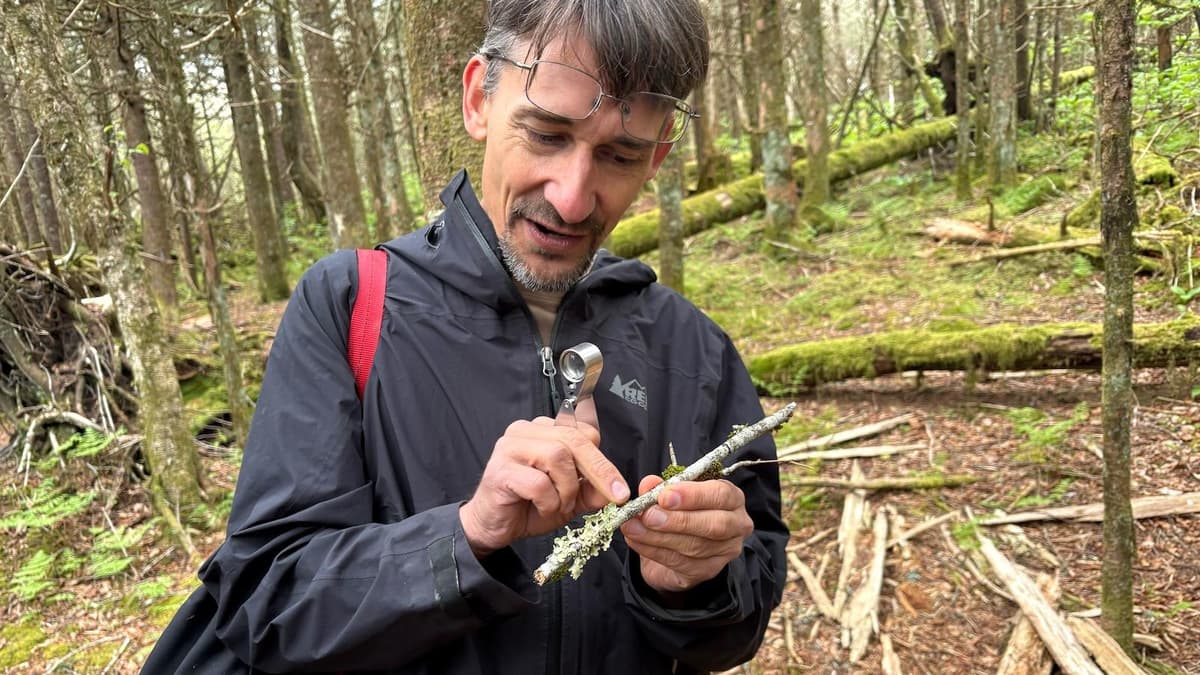
The Great Smoky Mountains National Park, a global hotspot for salamanders, fungi, mosses and lichens, hosts the longest‑running All‑Taxa Biodiversity Inventory in the United States. Managed by the nonprofit Discover Life in America, the ATBI relies heavily on volunteers like the "Gang of Retirees in Search of Life's Diversity" (GRISLD). Their meticulous field notes, photographs, and specimen records expand the park’s species database beyond the seasonal focus of academic researchers, capturing organisms active in winter or during brief migratory windows. By feeding observations into citizen‑science platforms such as iNaturalist, they create a living, publicly accessible map of biodiversity that can be queried in near real‑time.
Climate change is reshaping the Smokies’ delicate ecosystems, accelerating the spread of invasive insects such as the Asian woolly adelgid that has decimated hemlocks—trees crucial for regulating the high‑elevation watershed. As temperatures rise, microclimates that once served as refugia for cold‑adapted species shrink, threatening "sky‑island" communities of mosses, lichens, and amphibians. Volunteers’ long‑term, fine‑scale monitoring detects these shifts early, providing park managers with the evidence needed to prioritize restoration, control invasive species, and protect water quality for downstream communities.
Beyond ecological insight, the volunteer model offers a pragmatic response to chronic underfunding of federal research programs. When the 2025 government shutdown halted park salaries, local nonprofits and citizen scientists stepped in to keep essential monitoring alive. This partnership demonstrates how decentralized, community‑driven science can sustain critical data streams, influence policy, and engage the public in stewardship. As the climate crisis deepens, scaling such collaborative inventories could become a cornerstone of adaptive management across protected areas nationwide.
In the Smoky Mountains, a volunteer effort aims to document every species — before it’s too late
Comments
Want to join the conversation?
Loading comments...