India Monsoon Starts Almost 40% Short as El Niño Upends Weather
Why It Matters
The deficient monsoon threatens India's food security and industrial output, potentially tightening global commodity markets. Prolonged dryness could force policy measures like export bans, impacting traders worldwide.
Key Takeaways
- •Monsoon rainfall 40% below normal as of early July.
- •El Niño expected to keep India unusually dry through August.
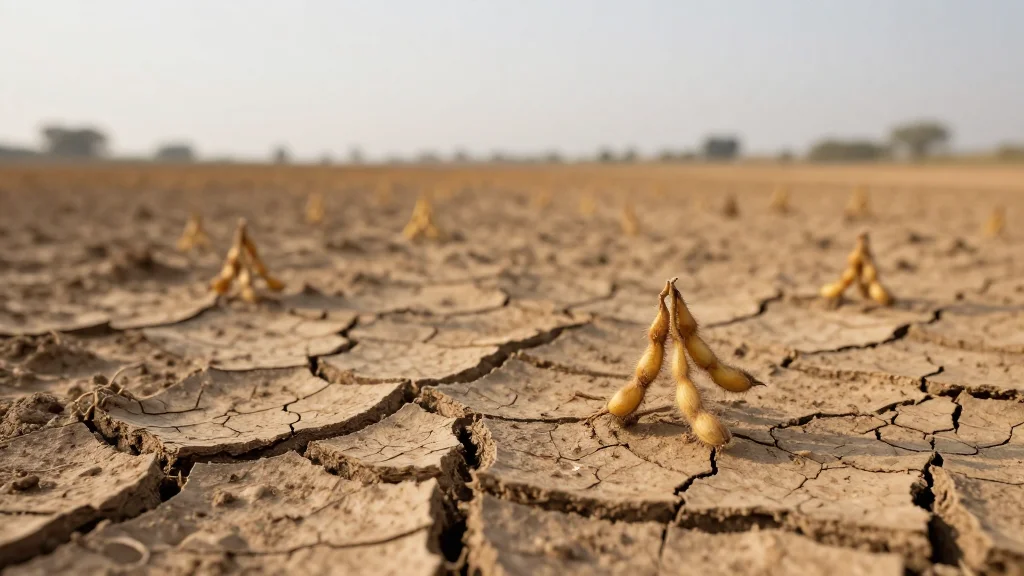
- •Crop alerts issued for soybean and groundnut due to dryness.
- •Mumbai halted water to construction sites for first time in 12 years.
- •Weak monsoon threatens rice, sugar, cotton output and may trigger export limits
Pulse Analysis
The Indian monsoon, which delivers roughly 70% of the nation’s annual rainfall, is a linchpin for both the agrarian economy and energy generation. This year’s onset, however, is trailing normal levels by almost 40%, a deviation that climate scientists attribute to an intensifying El Niño event. Historically, El Niño suppresses convection over South Asia, shifting moisture eastward toward the Pacific. Model ensembles from the Indian Institute of Tropical Meteorology now show a high probability of continued deficits through July and August, especially across the arid northwest and central belt.
The immediate fallout is already visible in the field. The India Meteorological Department has issued severe dry alerts for soybean and groundnut‑producing zones, while the Ministry of Agriculture warns that delayed seeding could truncate the growing season for rice and cotton. In Mumbai, the municipal water board suspended supply to construction sites—a move not seen in 12 years—underscoring the strain on urban water infrastructure. Reduced monsoonal runoff also curtails hydroelectric output, adding pressure to an already tight power grid.
Beyond the domestic front, the weak monsoon reverberates through global commodity markets. India ranks among the top exporters of rice, sugar and cotton; a shortfall could trigger export curbs, tightening supplies and nudging prices upward. Traders are watching policy signals from New Delhi, where authorities may invoke buffer stock releases or adjust tariffs to stabilize markets. Meanwhile, investors in agribusiness and infrastructure are reassessing risk models, factoring in heightened climate volatility as El Niño events become more frequent under climate change.
India Monsoon Starts Almost 40% Short as El Niño Upends Weather
Comments
Want to join the conversation?
Loading comments...