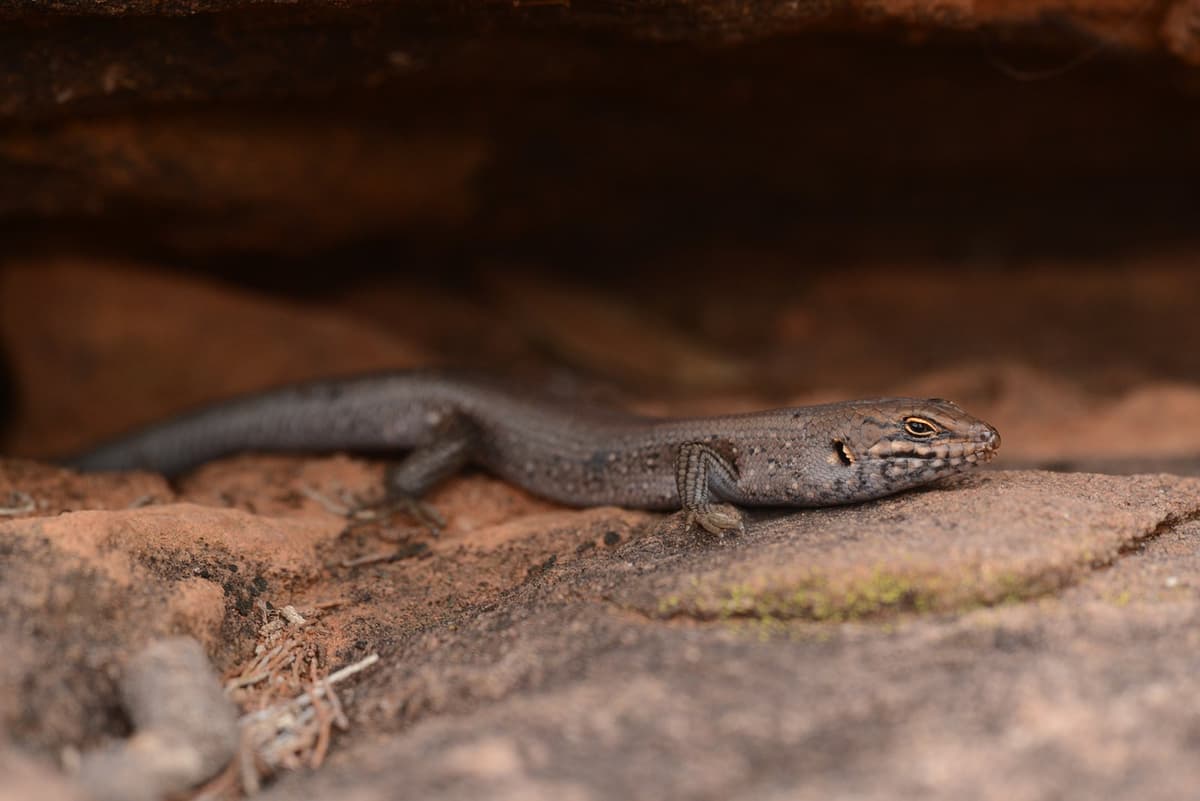
Indigenous Knowledge Helps Identify New, Highly Threatened Skink in Australia
Why It Matters
The formal recognition of Kungaka triggers eligibility for state and federal threatened‑species listings, unlocking funding and management tools essential for its survival. It also showcases how Indigenous knowledge can accelerate biodiversity discovery and conservation in Australia’s fragile ecosystems.
Key Takeaways
- •New skink species *Liopholis mutawintji* identified in Mutawintji NP
- •Population estimated under 20 individuals, likely critically endangered
- •Indigenous Wiimpatja knowledge crucial for discovery and naming
- •DNA analysis split White’s skink into three distinct lineages
- •Formal description enables legal protection and conservation action
Pulse Analysis
The discovery of *Liopholis mutawintji* underscores a broader trend in herpetology: taxonomic revisions driven by modern genetics are reshaping our understanding of species diversity. While White’s skink was long thought to be a single, widespread species, comprehensive DNA sequencing and detailed morphological comparisons have split it into three deeply divergent lineages. This refinement not only clarifies evolutionary relationships but also highlights hidden pockets of biodiversity that may have been overlooked for decades.
Kungaka’s precarious status—fewer than 20 individuals confined to a rocky gorge—exposes the species to a suite of acute threats, including feral goats, drought, and predatory cats. The formal description is more than a scientific milestone; it is a legal prerequisite for listing the lizard under Australia’s threatened‑species frameworks. Once listed, conservation agencies can allocate resources for habitat restoration, predator control, and potentially captive‑breeding programs, all of which are critical for averting extinction.
Equally significant is the partnership with the Wiimpatja Aboriginal owners, whose traditional ecological knowledge guided researchers to the hidden population and informed the species’ name, Kungaka, meaning “the Hidden One.” This collaboration exemplifies how Indigenous stewardship can accelerate scientific discovery and bolster conservation outcomes. As Australia grapples with biodiversity loss, integrating Indigenous insights with cutting‑edge science may become a cornerstone of effective wildlife management, ensuring that rare species like Kungaka receive the protection they urgently need.
Indigenous knowledge helps identify new, highly threatened skink in Australia
Comments
Want to join the conversation?
Loading comments...