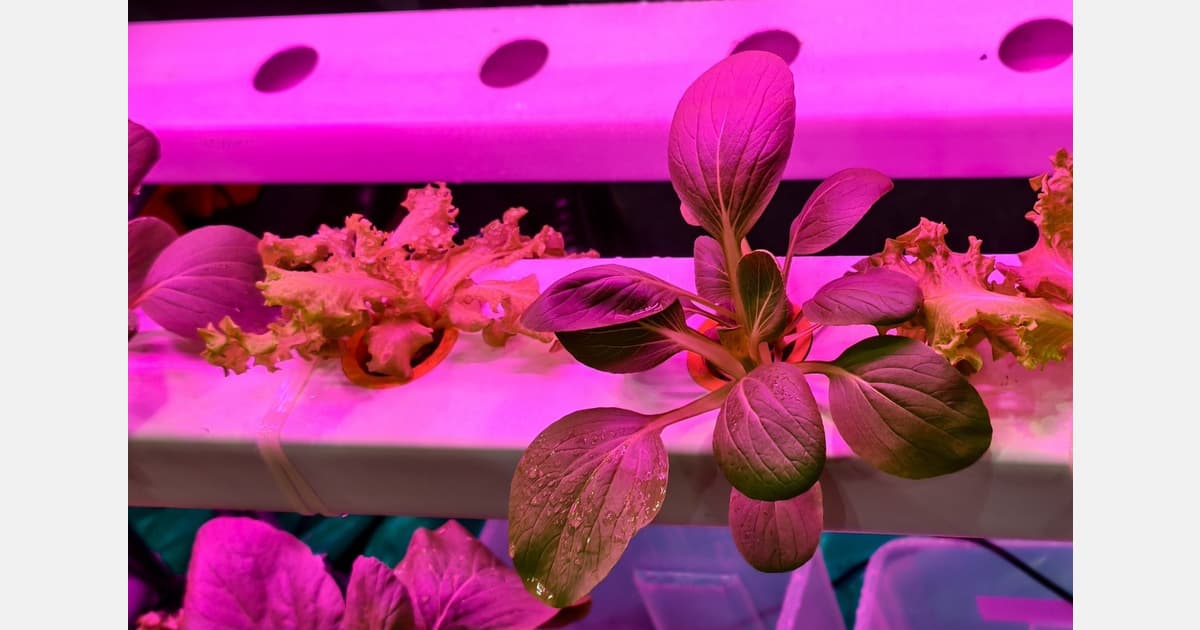
Indoor Urban Agriculture Isn't Necessarily Low Carbon, Study Shows
Why It Matters
The findings overturn the simplistic equation of local food with low carbon, guiding investors and policymakers toward energy‑sourced decisions for sustainable urban agriculture. They also reveal a pathway for improving food security in remote areas without compromising climate goals.
Key Takeaways
- •Renewable electricity makes indoor lettuce carbon‑neutral in Quebec.
- •Fossil‑fuel grids cause indoor farms to emit multiple times more CO₂.
- •CE‑UA reduces land and water use versus traditional agriculture.
- •Consistent fresh produce improves food security in remote Canadian regions.
- •Study uses year‑long data from Montreal container farm across Canada.
Pulse Analysis
Indoor urban agriculture has long been touted as a climate‑friendly solution for city dwellers, promising fresh produce with reduced transportation emissions. However, the carbon intensity of such operations is dominated by the source of electricity that powers lighting, climate control, and hydroponic systems. In regions like Quebec, where the grid is supplied largely by low‑carbon hydropower, the study demonstrates that lettuce grown in controlled‑environment farms can achieve a carbon footprint comparable to that of conventional lettuce shipped from California. This nuance challenges the prevailing narrative that proximity alone guarantees sustainability.
The McGill research team collected a full year of operational data from a commercial container farm in Montreal, measuring energy consumption, water use, and yields. By applying a life‑cycle assessment and modeling each of Canada’s 13 provinces and territories against their specific electricity mixes, the authors revealed stark contrasts. While CE‑UA dramatically cuts land and water requirements, its energy demand can outweigh these benefits in fossil‑fuel‑heavy grids, inflating emissions severalfold. Policymakers and investors must therefore evaluate the local electricity profile before scaling indoor farms, ensuring that renewable or low‑carbon power sources are secured to realize genuine environmental gains.
Beyond emissions, the study underscores the strategic role of indoor farming in bolstering food security, especially for remote northern communities where fresh produce is scarce and costly to transport. Consistent, year‑round production can mitigate supply‑chain vulnerabilities and reduce reliance on long‑haul trucking, delivering social and economic benefits. As climate change intensifies pressure on arable land and water resources, integrating CE‑UA with clean energy grids could become a cornerstone of resilient, sustainable food systems across North America.
Indoor urban agriculture isn't necessarily low carbon, study shows
Comments
Want to join the conversation?
Loading comments...