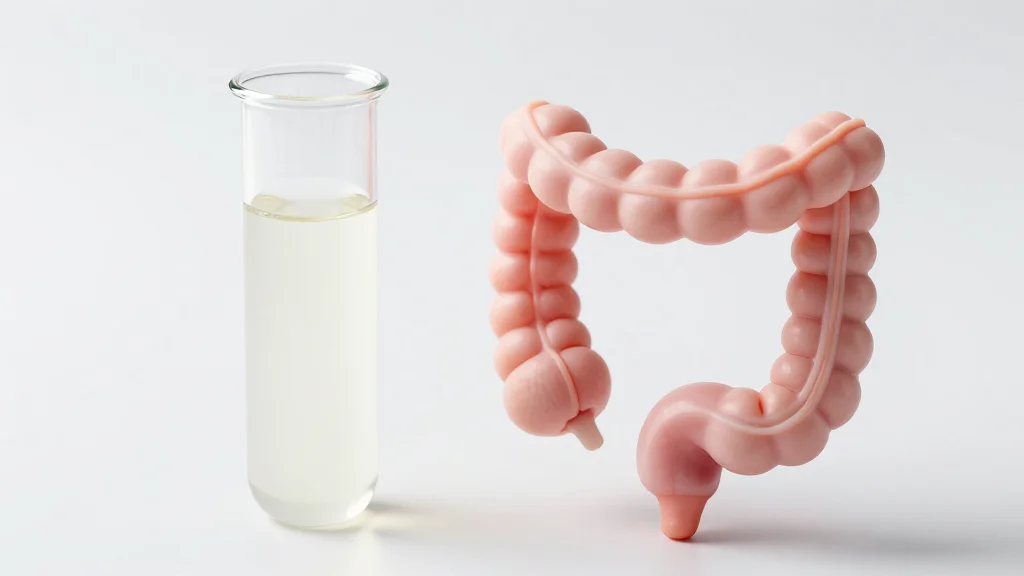
Infant-Derived Bifidobacterium Strains Screened in Vitro for Alleviating Intestinal Disorder Caused by Escherichia Coli
Why It Matters
The findings offer a viable, non‑antibiotic strategy to combat E. coli infections, addressing rising antimicrobial resistance and supporting gut health. This could reshape probiotic development and therapeutic approaches in the food‑and‑health sectors.
Key Takeaways
- •Strain D2 showed strongest in‑vitro inhibition of E. coli
- •Acetic acid identified as primary antibacterial agent in D2 supernatant
- •D2 reduced E. coli adhesion and invasion of intestinal HT‑29 cells
- •In mice, D2 restored gut barrier, cytokines, and microbiota diversity
- •Potential probiotic alternative to antibiotics for E. coli‑induced disorders
Pulse Analysis
The global burden of Escherichia coli‑driven food‑borne illness remains high, with an estimated 1.5 million deaths annually. Traditional antibiotic treatments are increasingly compromised by resistance, prompting a search for biologically based interventions. Probiotics, particularly strains native to the human gut, have emerged as a front‑line defense, leveraging competitive exclusion, metabolite production, and immune modulation to curb pathogenic colonization.
In this context, a recent Frontiers in Nutrition study isolated 38 Bifidobacterium strains from breast‑fed infants and spotlighted strain D2 for its superior anti‑E. coli activity. The researchers demonstrated that D2’s cell‑free supernatant, dominated by acetic acid, inhibited biofilm formation, compromised bacterial membranes, and blocked pathogen adhesion to intestinal epithelial cells. Animal trials confirmed that D2 not only mitigated colonic damage but also rebalanced cytokine expression and restored microbial diversity, notably reducing Escherichia abundance while boosting beneficial taxa such as Lachnospiraceae_NK4A136_group.
These results have immediate commercial relevance. The probiotic market, projected to exceed $80 billion in the United States alone, is hungry for clinically validated strains that can serve as antibiotic alternatives. D2’s multi‑mechanistic action—acidic inhibition, barrier reinforcement, and microbiome modulation—offers a compelling value proposition for functional foods, dietary supplements, and therapeutic formulations. Regulatory pathways for novel probiotic claims are becoming clearer, and D2 could accelerate product pipelines seeking FDA‑recognised health benefits. Continued research should focus on large‑scale human trials, formulation stability, and integration with existing gut‑health platforms, positioning infant‑derived bifidobacteria at the forefront of next‑generation antimicrobial strategies.
Infant-derived Bifidobacterium strains screened in vitro for alleviating intestinal disorder caused by Escherichia coli
Comments
Want to join the conversation?
Loading comments...