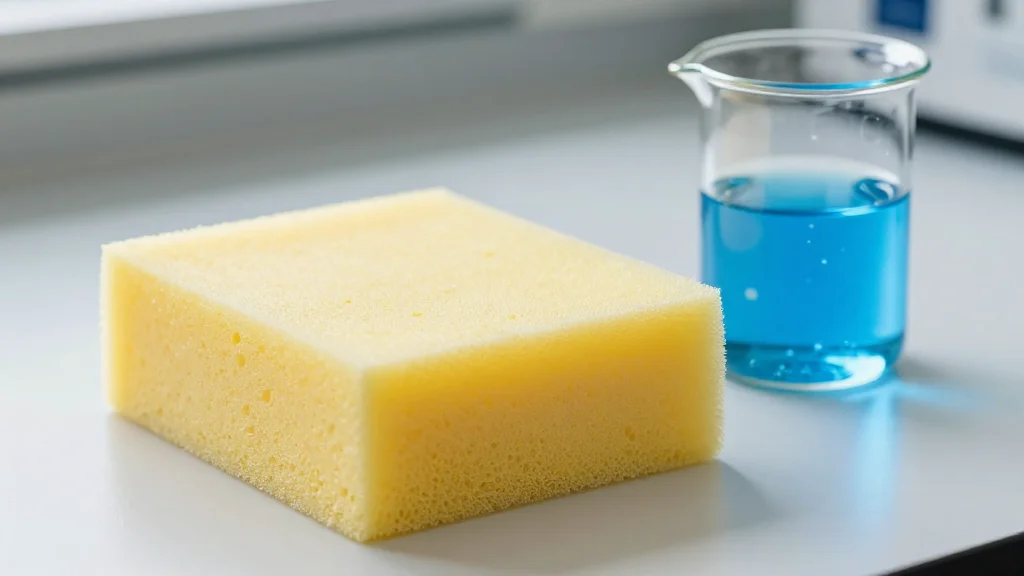
Innovative Chemical Routes Unlock Closed-Loop Recycling for Polyurethane Consumer Goods
Why It Matters
By delivering virgin‑quality monomers, these technologies could cut reliance on fossil‑based feedstocks and reduce PU waste emissions, accelerating the circular economy for consumer‑goods plastics.
Key Takeaways
- •Catalytic hydrogenation uses manganese catalysts and green hydrogen for PU.
- •Chem‑solvolysis recovers TDA and polyols with tert‑amyl alcohol solvent.
- •Acidolysis offers solvent‑free, low‑energy depolymerization of PU foams.
- •Recovered aromatic amines enable regeneration of isocyanates for new PU.
- •Feedstock heterogeneity and amine safety are primary scale‑up hurdles.
Pulse Analysis
Polyurethane accounts for roughly 6 % of global plastic production, yet its cross‑linked structure has long thwarted conventional recycling. Mechanical grinding and incineration either downgrade material performance or emit pollutants, while glycolysis— the industry’s default chemical route—produces polyols of diminished quality and cannot retrieve the aromatic amine building blocks needed for true circularity. This gap has spurred a wave of research focused on selective bond‑cleavage chemistries that can restore both polyol and isocyanate precursors, positioning PU at the forefront of sustainable polymer innovation.
The latest breakthroughs converge on three distinct pathways. Catalytic hydrogenation replaces expensive noble metals with earth‑abundant manganese complexes, using green hydrogen to split urethane bonds and yield pristine polyols alongside aniline‑type amines. Chem‑solvolysis leverages tert‑amyl alcohol as a benign solvent and potassium hydroxide as a catalyst, achieving complete depolymerization of flexible foams and delivering high‑purity toluenediamine (TDA) that can reenter the isocyanate supply chain without reformulation. Acidolysis, conducted solvent‑free with organic diacids, offers a low‑energy alternative that simplifies separation of polyols and nitrogen‑containing fractions, further reducing waste and operational costs.
For industry, these methods promise a shift from linear disposal to a closed‑loop model where recycled monomers replace virgin petrochemical inputs. However, commercial rollout hinges on overcoming feedstock heterogeneity, developing robust purification streams, and ensuring safe handling of toxic amines during isocyanate regeneration. Policymakers can accelerate adoption by incentivizing recycled‑content mandates and supporting pilot plants that demonstrate techno‑economic viability. As collaborations between academia, manufacturers, and waste‑management firms deepen, advanced PU chemical recycling could become a cornerstone of the broader circular plastics agenda, delivering both environmental and economic dividends.
Innovative Chemical Routes Unlock Closed-Loop Recycling for Polyurethane Consumer Goods
Comments
Want to join the conversation?
Loading comments...