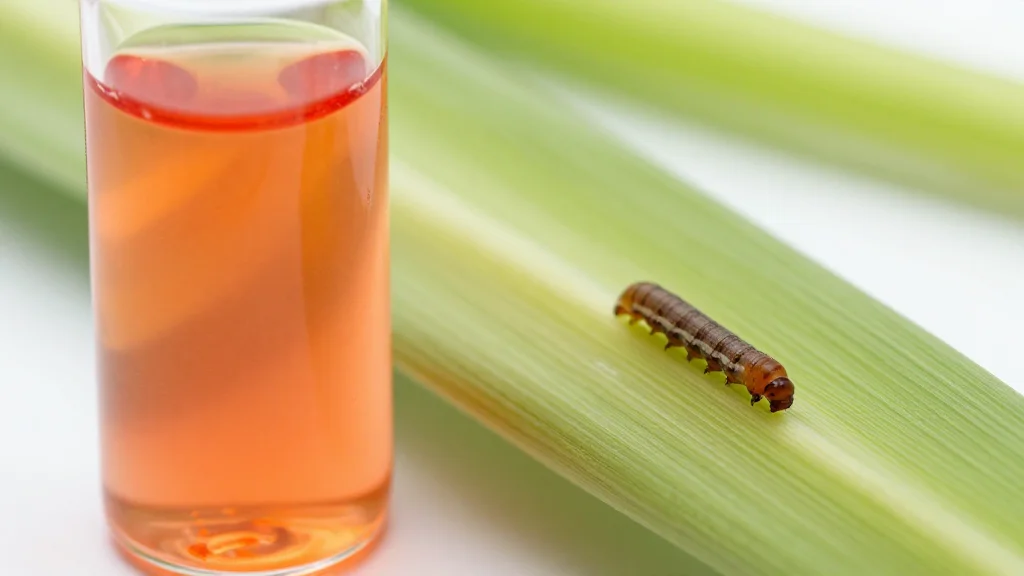
Insecticidal Metabolites From Serratia Marcescens Associated with the Fall Armyworm (Spodoptera Frugiperda): Metabolomic Profiling and Molecular Docking Insights
Why It Matters
The findings provide a new class of biologically derived insecticides that could replace or supplement chemical pesticides, helping growers manage a resistant, high‑impact pest while meeting environmental and regulatory pressures.
Key Takeaways
- •Serratia marcescens INS420 produces insecticidal metabolites.
- •Diketopiperazines, fatty acids, squalene identified via LC‑MS/GC‑MS.
- •Metabolites showed efficacy in laboratory and field trials.
- •Docking predicts squalene inhibits armyworm acetylcholinesterase.
- •Bacterial metabolites offer eco‑friendly pest control options.
Pulse Analysis
The fall armyworm (Spodoptera frugiperda) has become a global agricultural nightmare, chewing through maize, sorghum, and cotton across the Americas, Africa, and Asia. Its rapid evolution of resistance to pyrethroids, organophosphates, and newer Bt toxins has eroded the efficacy of conventional chemical programs, driving up production costs and prompting yield losses that can exceed 30 % in heavily infested regions. As regulators tighten pesticide residue limits and consumers demand greener food systems, growers are urgently seeking biologically based solutions that can match the speed and reliability of synthetic insecticides without the environmental toll.
Recent research highlights insect‑associated bacteria as a largely untapped reservoir of bioactive compounds. In a study of the gut microbiome of S. frugiperda, researchers isolated Serratia marcescens strain INS420 and mapped its secondary metabolome using LC‑MS and GC‑MS. The analysis revealed a suite of diketopiperazines, fatty‑acid esters, squalene, and even a cardenolide—molecules known for neurotoxic or membrane‑disrupting properties. Laboratory bioassays confirmed lethal effects against armyworm larvae, and field applications reproduced comparable mortality, suggesting that these bacterial metabolites can function as practical, field‑ready biopesticides.
Computational docking further strengthens the case for commercial development by showing that squalene and certain fatty‑acid derivatives bind tightly to the pest’s acetylcholinesterase, a proven target for insect control. If formulated into microbial or purified products, such agents could integrate seamlessly into existing integrated pest management (IPM) frameworks, reducing reliance on hazardous chemicals and slowing resistance buildup. However, scaling production, securing regulatory approval, and demonstrating consistent field performance remain hurdles. Continued collaboration between microbiologists, agronomists, and agrochemical firms will be essential to translate these promising metabolites into market‑ready, sustainable solutions for farmers worldwide.
Insecticidal Metabolites from Serratia marcescens Associated with the Fall Armyworm (Spodoptera frugiperda): Metabolomic Profiling and Molecular Docking Insights
Comments
Want to join the conversation?
Loading comments...