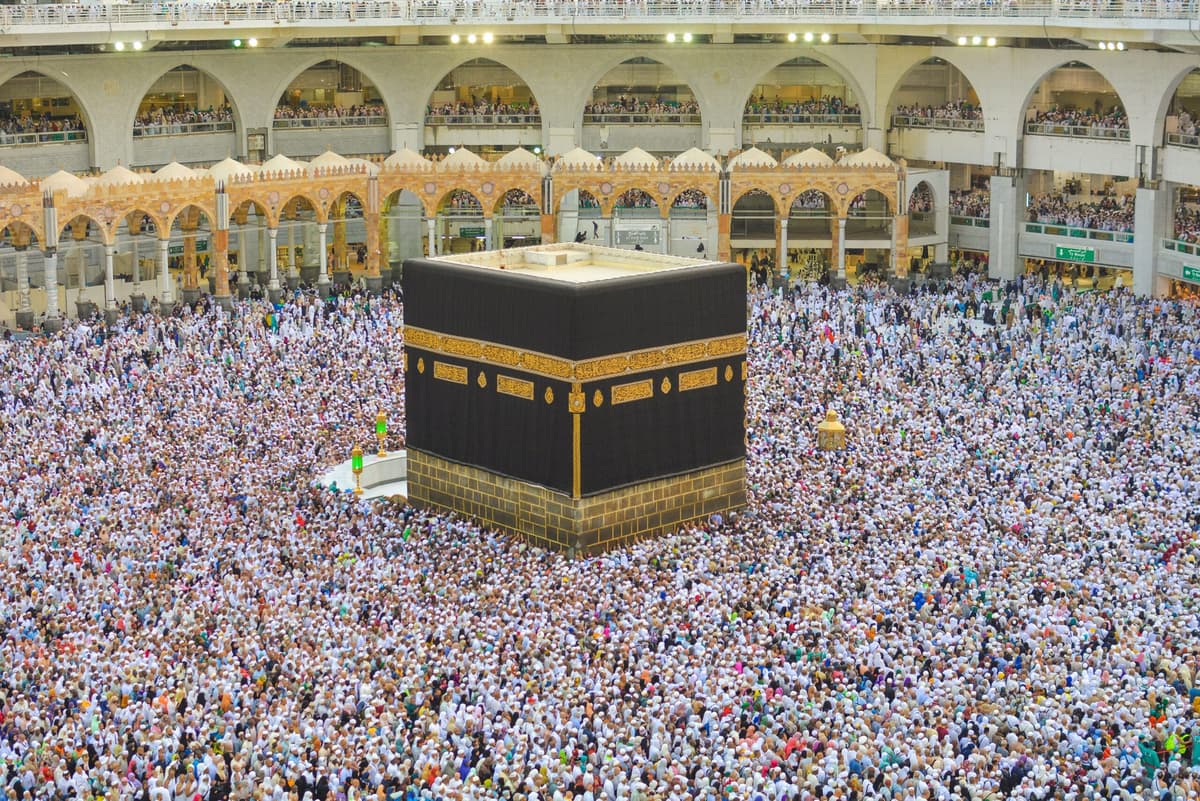
Intense Heat During Mecca’s Spring Threatens Millions of Hajj Pilgrims
Why It Matters
The escalating heat threatens the health of millions of pilgrims and challenges Saudi Arabia’s ability to host the world’s largest annual religious gathering, raising urgent public‑health and climate‑policy questions.
Key Takeaways
- •May temperatures in Mecca up 3.5 °C since pre‑industrial era
- •Heat‑related deaths rose to over 1,300 pilgrims in 2024 Hajj
- •Maximum May temps above 40 °C now occur every 2‑3 years
- •If global warming hits 3 °C, 97% of Hajj will face dangerous heat
Pulse Analysis
The Hajj pilgrimage, timed by the Islamic lunar calendar, is increasingly colliding with a warming climate. Historically, May in Saudi Arabia offered milder conditions, but recent analyses show that average temperatures have climbed roughly 3.5 °C compared with pre‑industrial baselines. This shift means that the period once considered safe now mirrors the intense summer heat of the 1980s, compressing the window in which pilgrims can perform rites without severe heat exposure. Climate attribution studies highlight that such changes are directly linked to human‑driven greenhouse‑gas emissions, making the pilgrimage a stark illustration of climate change’s tangible impacts on cultural and religious practices.
Health officials are alarmed by the surge in heat‑related incidents. In 2024, a record‑breaking heatwave pushed temperatures to 51 °C, contributing to more than 1,300 fatalities among pilgrims who spend 20‑30 hours outdoors in dense crowds. The frequency of May days exceeding 40 °C has risen to once every two to three years, elevating the risk of heat exhaustion and stroke. While Saudi authorities have deployed misting fans, water stations, and temporary cooling zones, these interventions are unevenly distributed and often inaccessible to undocumented or unpermitted participants, leaving a sizable portion of the pilgrim population vulnerable.
Looking ahead, the report warns that if global warming reaches 3 °C by the end of the century, roughly 97 % of Hajj seasons will occur under dangerous heat conditions. This projection forces policymakers to confront a dual challenge: scaling up climate‑resilient infrastructure for the pilgrimage while accelerating broader emissions‑reduction strategies. The situation also underscores the need for international cooperation, as the Hajj draws millions from over 180 countries. Adaptation measures—such as shifting the pilgrimage to cooler months, expanding shaded pathways, and integrating real‑time heat alerts—could mitigate immediate risks, but long‑term solutions hinge on curbing the fossil‑fuel emissions that drive the Saudi economy and, by extension, the extreme heat threatening this sacred journey.
Intense heat during Mecca’s spring threatens millions of Hajj pilgrims
Comments
Want to join the conversation?
Loading comments...