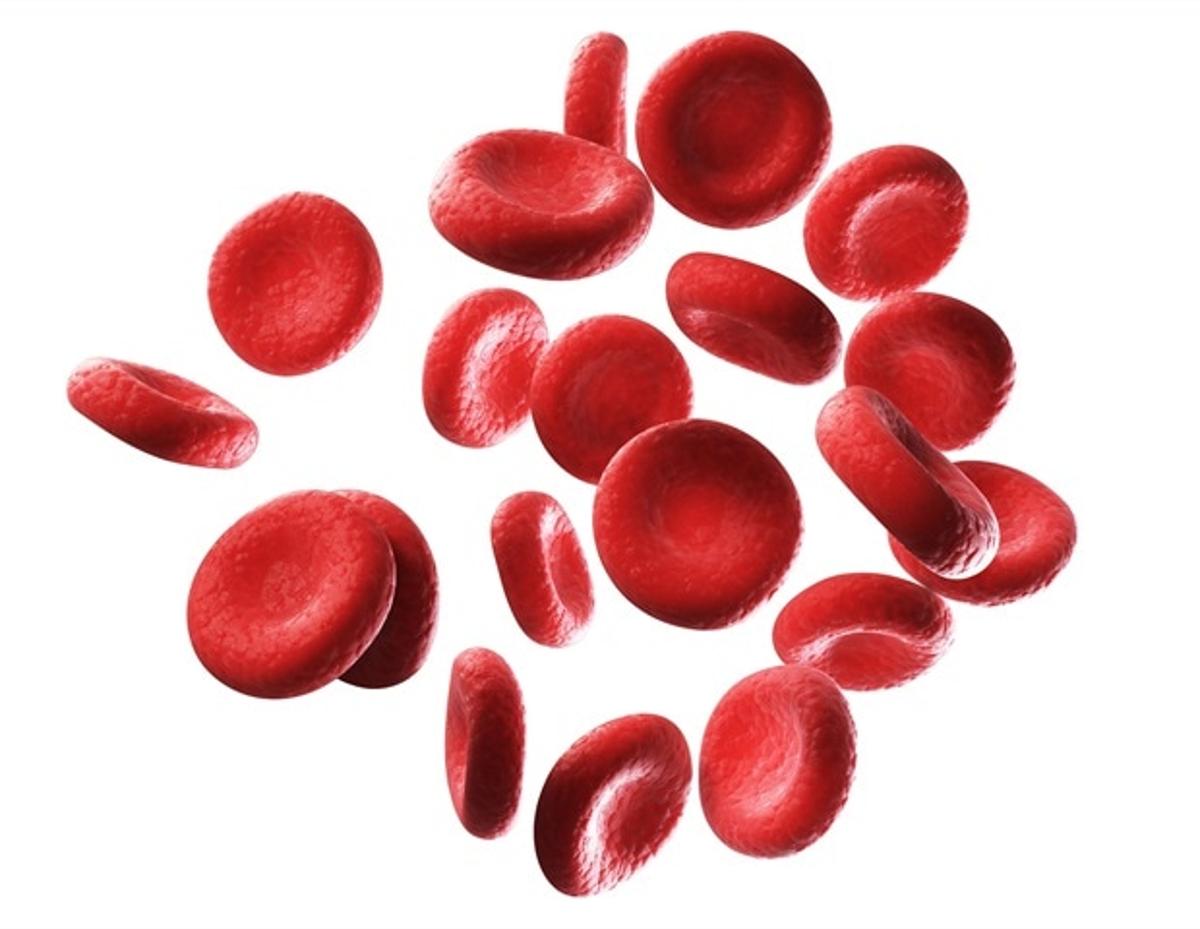
Intercellular Heme Transfer Pathway Sustains Red Blood Cell Production Under Stress
Why It Matters
By exposing a non‑mitochondrial source of heme for erythropoiesis, the work creates a druggable target to boost hemoglobin synthesis in conditions such as iron‑deficiency anemia, β‑thalassemia and sickle cell disease.
Key Takeaways
- •HRG1 transporter enables heme import into maturing erythroblasts.
- •HRG1 knockout mice fail to boost red cell production under stress.
- •Partial HRG1 loss improves anemia in β‑thalassemia mouse model.
- •Intercellular heme transfer offers new target for anemia therapies.
- •Grant funds visualization of heme trafficking across cells.
Pulse Analysis
The discovery that erythroblasts can acquire heme from external sources overturns a long‑standing view that hemoglobin synthesis relies solely on mitochondrial production. HRG1, originally characterized in a nematode, acts as a membrane channel that shuttles heme into cells that have already discarded their mitochondria. This mechanism becomes especially important when the body faces hypoxic stress or rapid blood loss, conditions that demand accelerated red blood cell output.
In pre‑clinical experiments, mice lacking HRG1 were unable to increase erythropoiesis under stress and developed pronounced anemia, while wild‑type counterparts maintained normal hemoglobin levels. A complementary study in a β‑thalassemia model demonstrated that reducing HRG1 expression curbed the accumulation of free, toxic heme and modestly restored red cell production. These data suggest that modulating heme import can balance intracellular iron homeostasis, offering a novel angle to treat hemoglobinopathies that have resisted conventional iron‑supplement strategies.
The therapeutic implications extend beyond rare genetic disorders. If small‑molecule modulators or biologics can fine‑tune HRG1 activity, they could become adjuncts to existing anemia treatments, potentially reducing transfusion dependence and improving quality of life for millions of patients. Ongoing grants from the Human Frontier Science Program aim to visualize heme trafficking at the single‑cell level, a step that could accelerate drug discovery pipelines and attract biotech investment focused on next‑generation hematology therapeutics.
Intercellular heme transfer pathway sustains red blood cell production under stress
Comments
Want to join the conversation?
Loading comments...