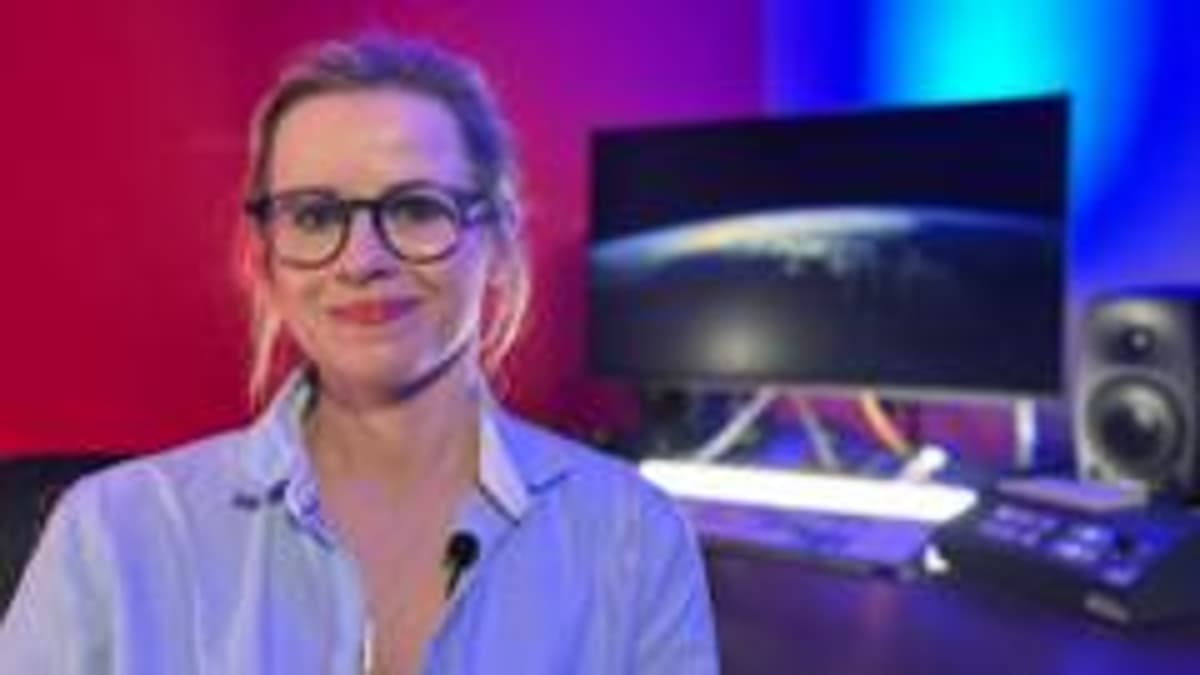
Interstellar A&E: The Scottish Doctor of Space Medicine
Why It Matters
As humanity prepares for Artemis missions and private orbital tourism, understanding and managing astronaut health risks becomes critical for mission success and public safety.
Key Takeaways
- •Mackaill co‑created gravity‑defying CPR technique for Moon and Mars
- •NASA and ESA have reviewed the Mackaill‑Russomano method
- •Astronauts lose ~15% plasma volume, risking low blood pressure on return
- •Space‑induced fluid shifts can cause eye pressure and vision changes
- •Commercial flights may lower medical screening, raising health risks
Pulse Analysis
Space medicine is transitioning from a niche research area to a core component of future exploration programs. While NASA has long maintained in‑house medical teams, the involvement of civilian clinicians like Dr Christina Mackaill signals a broader collaboration model. Her background in emergency care equips her to translate high‑stress, rapid‑response techniques to micro‑gravity, where conventional chest compressions are ineffective. The Mackaill‑Russomano method, presented to both NASA and ESA, stabilises rescuers and maximises blood flow during CPR on the Moon or Mars, addressing a gap that could become life‑critical on deep‑space missions.
Physiological adaptation to low‑gravity environments presents a cascade of challenges for returning astronauts. Research highlighted by Mackaill shows a 15 % reduction in circulating plasma, heightened risk of orthostatic hypotension, and accelerated bone loss that can predispose crew members to fractures. Fluid redistribution also raises intra‑ocular pressure, potentially impairing vision. By co‑authoring NHS‑aligned treatment protocols, Mackaill ensures that terrestrial hospitals are prepared to manage these unique presentations, from rapid fluid resuscitation to targeted orthopedic care. Such guidelines bridge the gap between space‑specific research and everyday clinical practice, reducing the learning curve for emergency physicians who may encounter a space‑trained patient.
The commercialisation of space travel amplifies these medical considerations. Unlike government‑run missions with exhaustive pre‑flight screening, private operators may adopt more lenient health assessments to accommodate paying customers. This shift could increase the incidence of in‑flight medical events, placing a premium on preventive strategies and on‑board medical kits. Mackaill’s advocacy for rigorous screening and her work on preventive medicine underscore the urgency of establishing industry‑wide standards. As the market expands, regulators, insurers, and healthcare systems will look to experts like Mackaill to define safe operational thresholds, ensuring that the excitement of space tourism does not outpace medical preparedness.
Interstellar A&E: The Scottish doctor of space medicine
Comments
Want to join the conversation?
Loading comments...