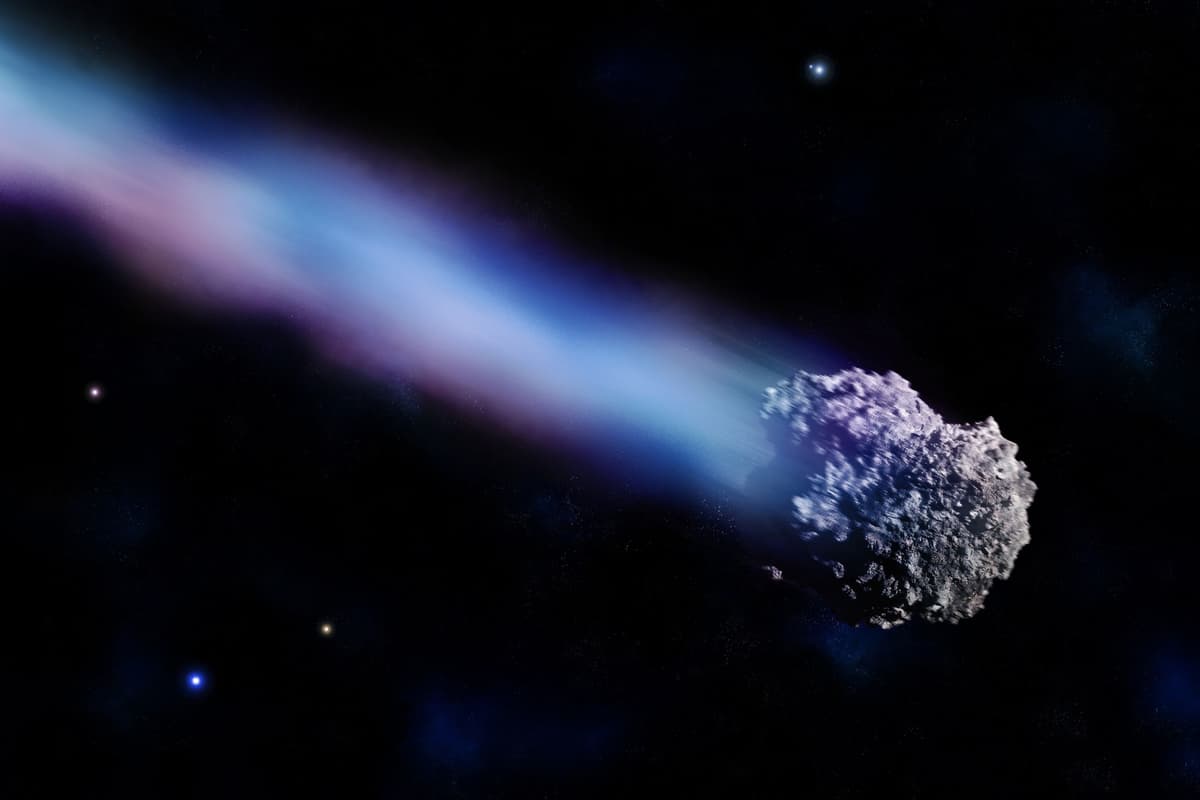
Interstellar Comet 3I/Atlas Has Another Surprise: It’s Full of Alcohol
•March 10, 2026
0
Why It Matters
The extreme methanol enrichment reshapes models of cometary chemistry and informs theories about the diversity of planetary system formation across the galaxy.
Key Takeaways
- •Methanol levels four times higher than typical solar comets
- •Comet classified as hyperactive, releasing gases from icy grains
- •ALMA observations reveal carbon dioxide-dominated coma composition
- •3I/Atlas exits solar system at 60 km/s velocity
- •Findings suggest formation in colder, highly irradiated interstellar region
Pulse Analysis
The detection of abundant methanol in 3I/Atlas marks a watershed moment for astrochemistry. While methanol is a common constituent of many solar system comets, the four‑fold enrichment observed by ALMA suggests that interstellar bodies can retain far richer organic inventories. This discovery expands the chemical baseline for planet‑forming material, offering clues about the molecular clouds that birthed distant stellar systems and hinting at a broader spectrum of prebiotic chemistry beyond our own neighborhood.
Hyperactive comets like 3I/Atlas challenge traditional models that tie gas production solely to surface sublimation. By releasing volatiles from detached icy grains, these objects generate comae that outpace the expected water output for their size. The carbon‑dioxide‑rich, methanol‑laden environment implies formation under extreme cold and high radiation, conditions likely prevalent in dense interstellar filaments. Upcoming facilities such as the James Webb Space Telescope and the next‑generation Very Large Array will refine these observations, enabling astronomers to map the volatile inventory of future interstellar interlopers with unprecedented precision.
For the broader space industry, the findings underscore the scientific value of rapid‑response observation networks and the commercial potential of dedicated comet‑tracking missions. Understanding the diversity of interstellar chemistry informs risk assessments for future sample‑return endeavors and could guide the development of in‑situ resource utilization technologies. As detection rates rise, investors and policymakers will increasingly view interstellar objects as both scientific treasure troves and strategic assets in the emerging space economy.
Interstellar Comet 3I/Atlas Has Another Surprise: It’s Full of Alcohol
0
Comments
Want to join the conversation?
Loading comments...