Interview: Christopher Borgert on an Infamous Glyphosate Paper
Why It Matters
The retraction challenges the credibility of decades‑old safety conclusions that inform pesticide regulation and underscores the need for transparent authorship in scientific studies.
Key Takeaways
- •2000 glyphosate safety paper retracted over authorship concerns
- •Borgert rallied 60+ researchers to oppose the journal’s decision
- •Monsanto’s contributions were disclosed but not listed as authors
- •Debate spotlights broader conflict‑of‑interest issues in toxicology
Pulse Analysis
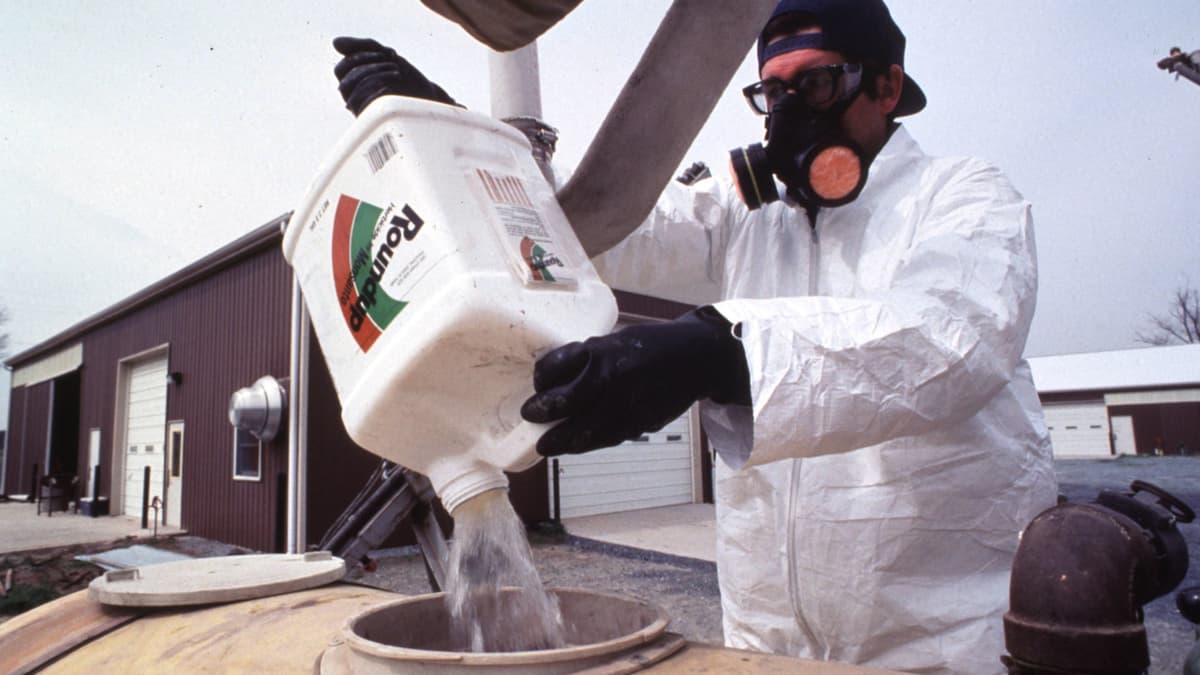
The glyphosate controversy resurfaced when *Regulatory Toxicology and Pharmacology* withdrew a seminal 2000 study that had long underpinned regulatory confidence in Roundup. The paper’s original claim—that glyphosate posed no health risk under typical use—was bolstered by data supplied by Monsanto scientists, yet the authorship attribution remained ambiguous. Over the past decade, mounting litigation and investigative reporting have cast doubt on the integrity of industry‑linked research, prompting journals to scrutinize past disclosures more rigorously. This retraction signals a shift toward stricter standards for transparency, especially for studies that influence public policy and agricultural practices.
Christopher Borgert, a Florida‑based pharmacologist with a history of consulting for agrochemical firms, mobilized a coalition of more than 60 toxicology and environmental health experts to challenge the journal’s move. Their forthcoming editorial argues that the retraction rests on speculative claims of ghostwriting rather than concrete methodological errors, warning that retroactive censorship could set a dangerous precedent for scientific discourse. Borgert’s involvement illustrates the complex web of relationships between academia, industry, and advocacy groups, where expertise can be both a resource and a source of perceived bias.
The episode has broader implications for the regulatory landscape. Agencies such as the EPA and EFSA have historically relied on peer‑reviewed literature, including the contested study, to assess glyphosate’s safety. As courts and policymakers grapple with conflicting scientific narratives, the demand for clear authorship, independent data verification, and robust conflict‑of‑interest disclosures grows louder. Stakeholders—from farmers to consumer‑rights groups—are watching closely, recognizing that the credibility of toxicology research directly shapes market access, litigation risk, and public trust in the food supply chain.
Interview: Christopher Borgert on an Infamous Glyphosate Paper
Comments
Want to join the conversation?
Loading comments...