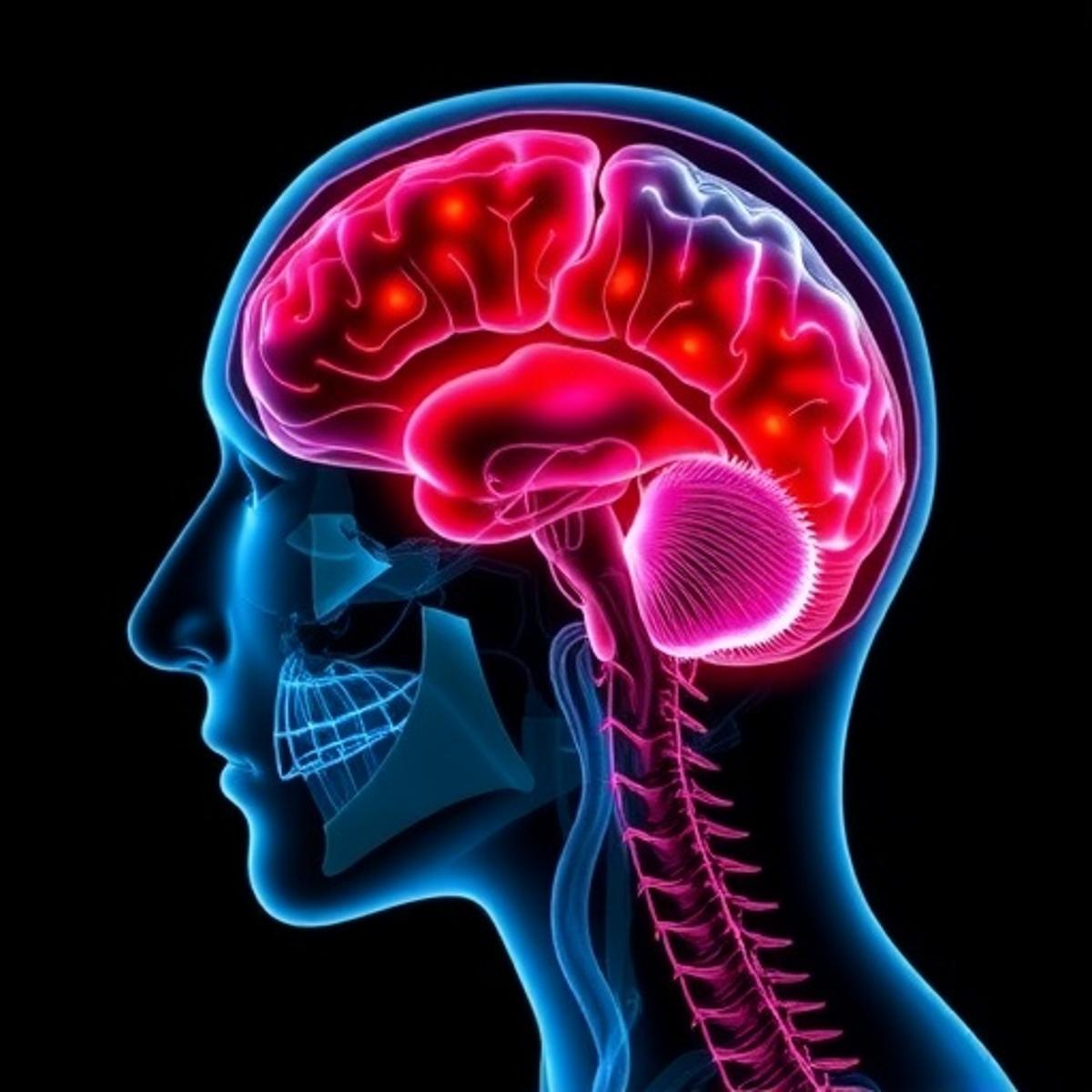
Intrinsic Capacity, Resilience, Frailty in Stroke Recovery
Why It Matters
Linking intrinsic capacity and resilience to stroke recovery offers clinicians a data‑driven framework to tailor rehab, potentially lowering long‑term care costs and improving patient quality of life.
Key Takeaways
- •Intrinsic capacity predicts 30% faster post‑stroke functional gains
- •Resilience training cut frailty scores by 15% in six months
- •Study followed 1,200 stroke survivors across 12 U.S. hospitals
- •Personalized rehab plans improved independence rates by 22%
Pulse Analysis
Stroke remains a leading cause of disability in the United States, accounting for over $50 billion in annual healthcare expenditures. Traditional rehabilitation focuses on motor relearning, yet emerging research highlights the role of intrinsic capacity—a composite of physical, cognitive and psychological reserves—in determining recovery speed. Coupled with resilience, the ability to adapt to stress, and frailty, a marker of vulnerability, these factors form a triad that can predict long‑term outcomes more accurately than lesion size alone.
The recent multi‑center cohort, spanning 12 hospitals and enrolling 1,200 adults within three months of an ischemic or hemorrhagic event, employed standardized assessments for intrinsic capacity, the Connor‑Davidson Resilience Scale, and the Fried Frailty Phenotype. Participants receiving a structured resilience‑building program—incorporating goal‑setting, mindfulness and graded activity—showed a 15% reduction in frailty scores and a 30% acceleration in functional milestones such as gait speed and ADL independence. Statistical models adjusted for age, comorbidities and stroke severity confirmed that intrinsic capacity contributed the largest independent variance to recovery trajectories.
For health systems, these insights translate into actionable strategies: integrating capacity and resilience screening into acute stroke pathways enables early identification of high‑risk patients and the deployment of personalized rehab protocols. Insurers may see reduced readmission rates and lower long‑term care spending as patients achieve independence sooner. Future research will likely explore digital therapeutics and AI‑driven monitoring to scale resilience interventions, positioning holistic health metrics at the core of stroke care innovation.
Intrinsic Capacity, Resilience, Frailty in Stroke Recovery
Comments
Want to join the conversation?
Loading comments...