Introducing Ecotech, Nature's Innovation Accelerator
Why It Matters
Ecotech offers a systematic path to turn natural processes into market‑ready innovations, aligning profit with planetary health. Its adoption could unlock new industries while addressing urgent environmental challenges.
Key Takeaways
- •Ecotech defined as ecosystem‑inspired technology beyond biotech
- •Duke‑led roadmap outlines interdisciplinary framework for scalable environmental solutions
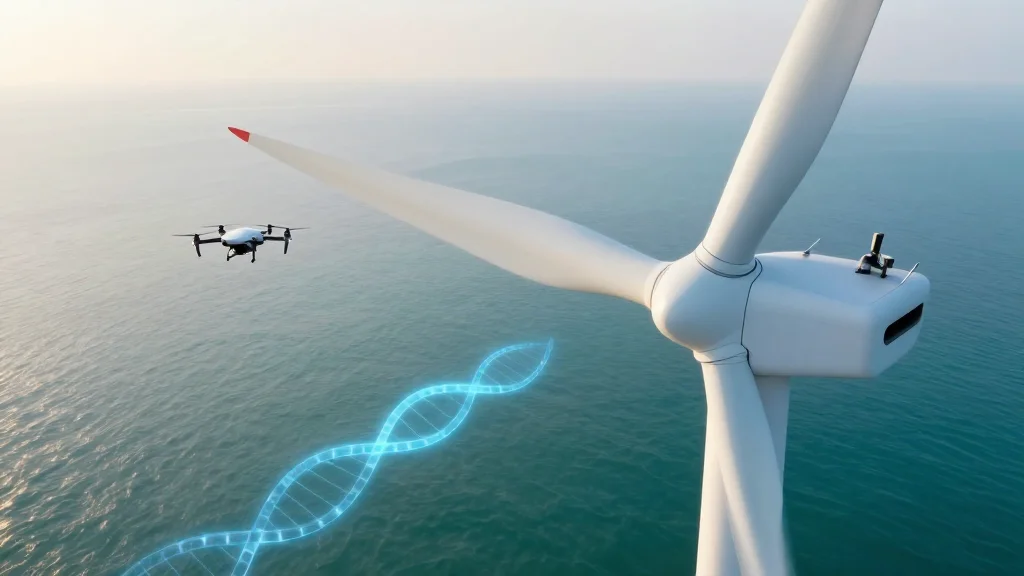
- •Proposed applications include marine‑friendly offshore wind farms and DNA‑based monitoring
- •Success depends on coordinated investment, policy support, and industry‑university collaboration
- •Early adopters could spark regional economic growth similar to biotech’s boom
Pulse Analysis
Ecotech emerges as a distinct discipline that leverages the interactions between organisms and their environments to engineer solutions at scale. While biotechnology has focused on molecular and cellular mechanisms, ecotech expands the design space to include whole‑ecosystem dynamics, offering a top‑down guide for ethical, equitable innovation. The Science Advances roadmap, authored by Duke’s marine conservation experts, frames this shift as essential for tackling climate disruption, pollution, and biodiversity decline, positioning nature itself as a blueprint for resilient technology.
The framework stresses interdisciplinary collaboration, uniting marine biologists, engineers, earth scientists, and investors. Practical examples include offshore wind turbines built from coral‑mimicking substrates that attract fish larvae, and sensor arrays that emit reef‑like sounds to encourage coral settlement. Drone platforms and environmental DNA analysis provide real‑time monitoring of ecosystem health, reducing the data gap that often stalls large‑scale projects. By embedding ecological feedback loops into design, ecotech promises infrastructure that supports both industry and wildlife.
Beyond environmental benefits, ecotech is pitched as a new engine of economic growth. The authors liken its potential impact to the biotech surge that transformed Massachusetts into a global innovation hub. Realizing this vision will require coordinated public‑private funding, supportive policy frameworks, and university‑industry partnerships that can de‑risk long development timelines. Early adopters—states, research institutions, and venture firms—stand to capture first‑mover advantages, creating markets for restoration services, ecosystem‑monitoring platforms, and nature‑inspired infrastructure, thereby delivering triple‑bottom‑line value for people, planet, and profit.
Introducing ecotech, nature's innovation accelerator
Comments
Want to join the conversation?
Loading comments...