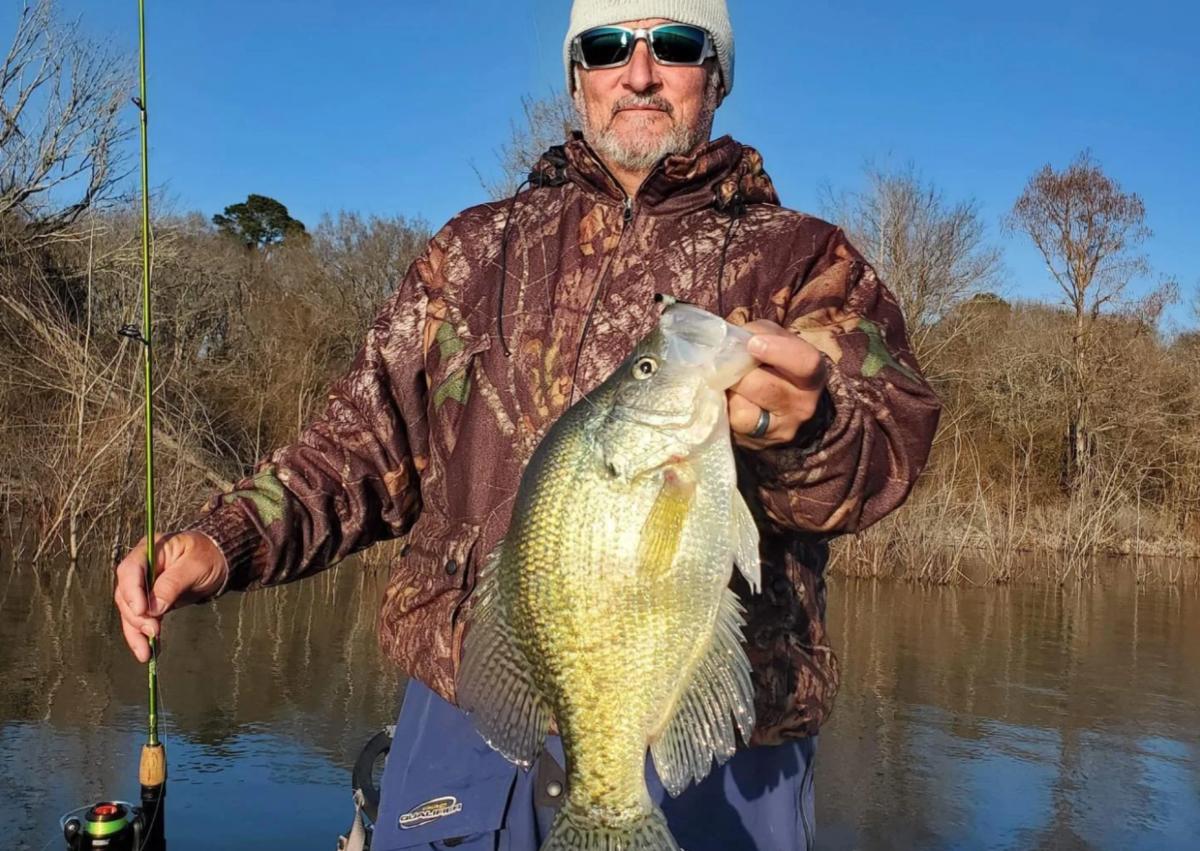
Is It OK to Keep a Trophy Crappie? Here’s What the Fisheries Biologists Say
Why It Matters
Understanding regional differences in crappie biology helps anglers make sustainable harvest decisions and supports fisheries managers in balancing recreation with long‑term population health.
Key Takeaways
- •Texas crappie reach legal size in one year, live 3‑5 years
- •Large Texas crappie are near end of life, safe to keep
- •Wisconsin crappie can live up to 15 years, showing slower growth
- •In northern lakes, total harvest number matters more than fish size
- •Lake‑by‑lake regulations are essential; anglers should consult local biologists
Pulse Analysis
Freshwater fisheries managers constantly juggle angler satisfaction with ecological sustainability, and crappie provide a vivid case study of how climate and geography shape policy. In the warm, fast‑growing waters of Texas, black crappie can hit the 10‑inch legal threshold within a single season and typically live only three to five years. Because the oldest fish have already contributed the bulk of their reproductive output, removing a two‑pound specimen—often five years old—has negligible impact on spawning success. Texas biologists therefore encourage anglers to harvest any legal‑size fish they enjoy eating, especially on over‑populated reservoirs where larger individuals help control density.
Contrast that with the cooler, deeper lakes of Wisconsin, where crappie growth is slower and longevity can exceed a decade. Here, population dynamics are more sensitive to total harvest pressure than to the size of individual fish. Biologists advise spreading catches across a range of sizes and reducing overall bag limits to avoid depleting the breeding cohort. By retaining a mix of seven‑ to nine‑inch fish rather than targeting only the largest, anglers help sustain a steady recruitment pulse that buffers against the region’s boom‑or‑bust reproductive cycles.
The broader lesson for the angling community is that one‑size‑fits‑all regulations are ineffective. Lake‑specific assessments—considering growth rates, age structure, and management objectives—are essential for crafting harvest rules that protect fish stocks while still delivering rewarding sport. Anglers who contact the state wildlife agency or the biologist responsible for their favorite waterway can obtain tailored guidance, ensuring their catch‑and‑keep practices align with the science that keeps crappie populations thriving across the country.
Is It OK to Keep a Trophy Crappie? Here’s What the Fisheries Biologists Say
Comments
Want to join the conversation?
Loading comments...