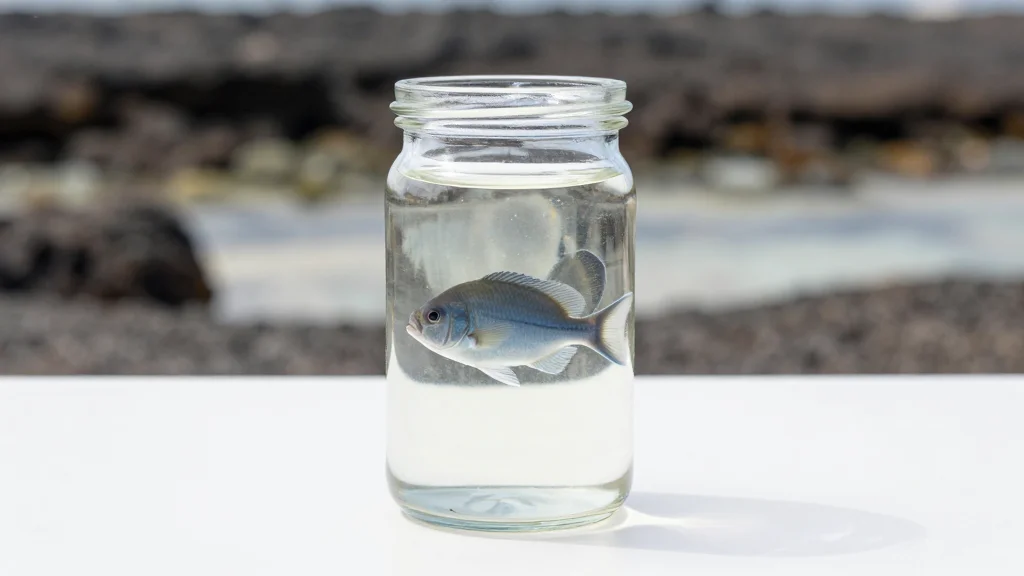
Why It Matters
The probable loss of a once‑abundant, well‑documented species underscores how climate‑driven events can silently erase localized marine biodiversity, prompting urgent reassessment of conservation strategies for vulnerable reef fishes.
Key Takeaways
- •No confirmed Galápagos damselfish sightings since 1983.
- •1982‑83 El Niño disrupted upwelling, reducing plankton.
- •Species' narrow range and planktivory increased extinction risk.
- •Extensive surveys and eDNA suggested possible, but unlikely, survival.
- •Extinction highlights vulnerability of localized marine species.
Pulse Analysis
The disappearance of Azurina eupalama illustrates a growing concern in marine conservation: climate‑driven anomalies can erase species before they are fully understood. The 1982‑83 El Niño Southern Oscillation was one of the strongest on record, suppressing the cold, nutrient‑rich upwelling that fuels the Galápagos plankton base. Without this food pulse, obligate planktivores like the damselfish faced a rapid collapse of their primary resource. Such abrupt ecosystem shocks are increasingly common as ocean temperatures rise, making the damselfish a cautionary example of hidden biodiversity loss.
The authors, Jack Stein Grove and Benjamin Victor, reinforced the extinction hypothesis by aggregating century‑long specimen data with modern visual surveys that yielded zero detections across thousands of dive hours. Their methodology underscores the value of long‑term monitoring in remote marine reserves, where even well‑studied taxa can slip through unnoticed. Emerging tools such as environmental DNA (eDNA) now allow researchers to detect trace genetic material in seawater, offering a non‑invasive means to verify the fish’s presence or confirm its absence. While eDNA could provide a final verdict, the weight of negative observations is already compelling.
From a policy perspective, the likely loss of the Galápagos damselfish signals that protected areas alone may not shield species vulnerable to rapid climate events. Management plans must integrate climate resilience, including habitat restoration after bleaching and targeted monitoring of narrow‑range organisms. The case also highlights the need for rapid response frameworks that can mobilize resources when extreme events threaten endemic fauna. As oceanic warming accelerates, the scientific community and conservation agencies should prioritize adaptive strategies to prevent similar silent extinctions across the world’s reefs.
Is the Galápagos damselfish extinct?
Comments
Want to join the conversation?
Loading comments...