Is This ‘De-Extinction’ Project Actually Onto Something?
Why It Matters
The move signals a potential pivot from spectacle to practical tools that could accelerate breeding programs for threatened wildlife, while also highlighting a tension between media‑driven funding and genuine conservation priorities.
Key Takeaways
- •Colossal raised hundreds of millions from VCs, CIA, Peter Thiel.
- •New bluebuck project uses “ovum pickup” to harvest eggs from live antelopes.
- •Company will open‑source reproductive tech and genome data for free.
- •Critics warn de‑extinction hype may divert funding from existing endangered species.
Pulse Analysis
Colossal’s ability to attract deep pockets—ranging from Silicon Valley investors to a U.S. intelligence agency—underscores how de‑extinction has become a magnet for high‑risk capital. The company’s narrative blends cutting‑edge synthetic biology with a public‑facing promise of resurrecting iconic extinct animals, a strategy that has repeatedly captured headlines. While the scientific community remains skeptical about the authenticity of “de‑extinction,” the influx of funding has enabled Colossal to develop robust gene‑editing pipelines and reproductive technologies that could be repurposed for living species under threat.
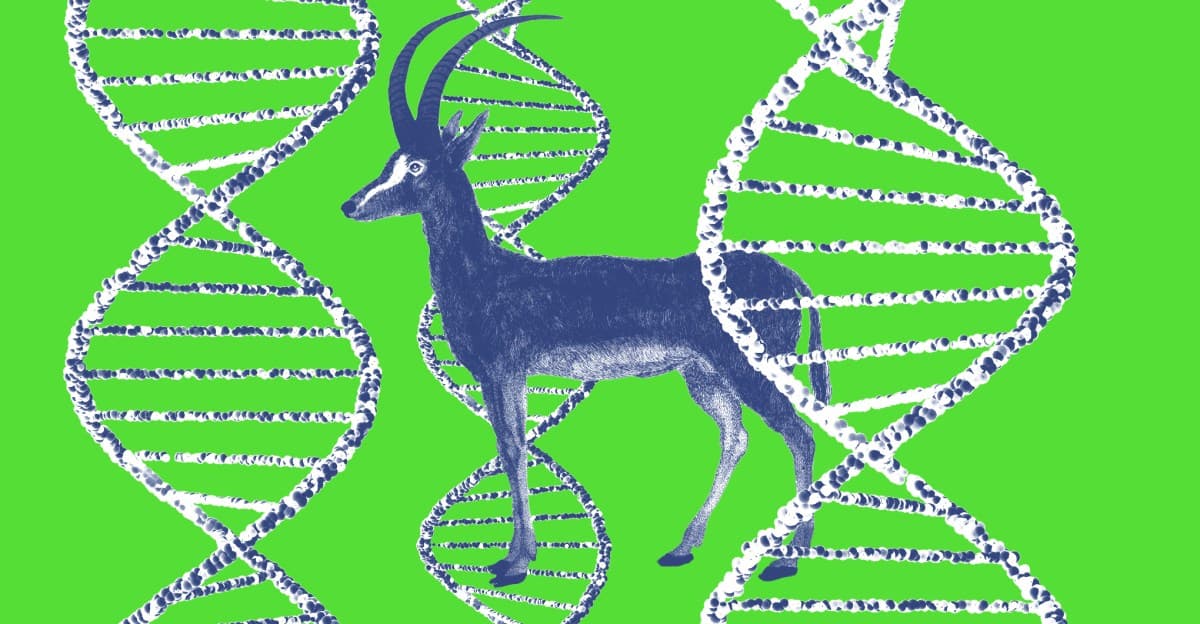
The bluebuck initiative pivots toward tangible conservation outcomes by introducing an “ovum pickup” method that uses ultrasound‑guided needle aspiration to retrieve immature egg cells from live antelopes. This technique addresses a chronic bottleneck in wildlife breeding: the scarcity of viable gametes from endangered individuals. Coupled with a global biobanking platform that stores high‑quality genomic sequences, Colossal’s toolkit promises to accelerate assisted reproduction, genetic rescue, and potentially re‑wilding projects for species teetering on the edge of extinction. By releasing these tools and data under an open‑source model, the startup aims to democratize access for NGOs and research institutions worldwide.
Nevertheless, the debate over de‑extinction’s public appeal versus its practical impact persists. Conservationists warn that sensationalist projects can siphon donor attention and policy focus away from pressing habitat loss and poaching crises. If Colossal can demonstrate that its technologies lead to measurable increases in birth rates for at‑risk antelopes, the company may bridge the gap between hype and hard‑science outcomes. The coming years will test whether the allure of resurrecting the past can be harnessed to safeguard the future of biodiversity.
Is this ‘de-extinction’ project actually onto something?
Comments
Want to join the conversation?
Loading comments...