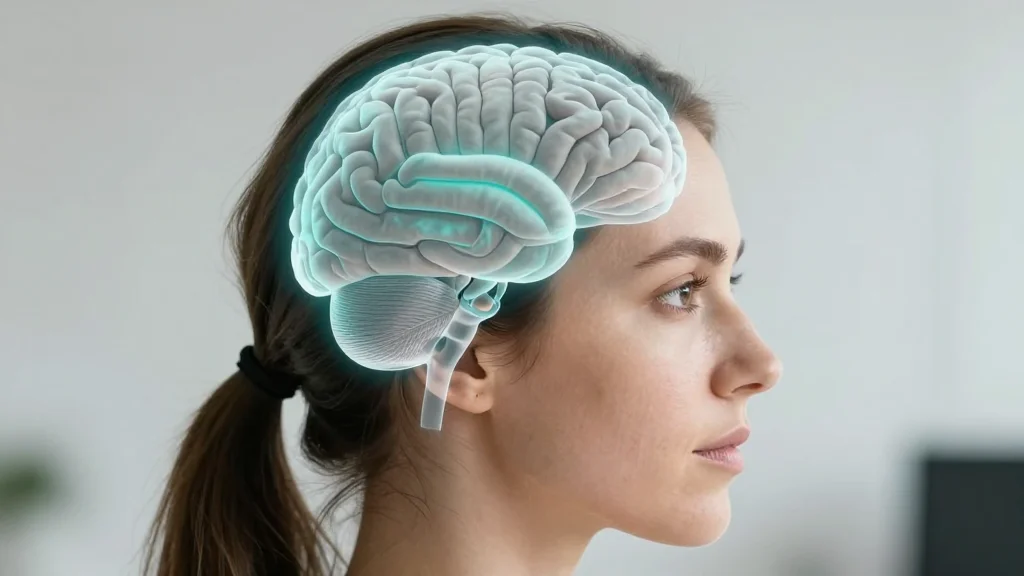
Is This The Part Of Endometriosis Treatment We’ve Been Missing?
Why It Matters
By identifying neuroinflammation as a driver of chronic pain, the study opens a path to more effective, non‑surgical treatments for the 190 million women worldwide with endometriosis. Addressing the nervous system could reduce reliance on lesion removal and improve quality of life.
Key Takeaways
- •Repeated menstrual cycles cause neuroinflammation, heightening pain sensitivity
- •Mouse model shows pain persists after lesion removal due to brain sensitization
- •Hormonal and immunomodulating drugs reduced neuroinflammation without shrinking lesions
- •Findings suggest targeting nervous system inflammation for endometriosis treatment
- •New model enables earlier detection and development of novel therapies
Pulse Analysis
Endometriosis remains one of the most under‑recognized gynecologic disorders, affecting more than 10 % of reproductive‑aged women—roughly 190 million globally. Patients often report a perplexing disconnect: some with extensive pelvic lesions experience little discomfort, while others with minimal tissue suffer severe, debilitating pain. Conventional management focuses on surgical excision of ectopic tissue or hormonal suppression, yet many women continue to experience chronic pain after these interventions. This persistent symptom burden drives high health‑care costs, lost productivity, and a growing demand for therapies that address the underlying pain mechanisms rather than just the visible disease.
The Washington State University team, led by neuroscientist Kanako Hayashi, introduced a mouse model that replicates repeated cycles of retrograde menstruation, a key feature of human endometriosis. Unlike earlier studies that induced the condition once, this approach exposed animals to multiple cycles, resulting in heightened pelvic inflammation and, crucially, neuroinflammation that spread to the spinal cord and brain. Electrophysiological recordings revealed a lowered pain threshold, confirming that the central nervous system becomes hypersensitive. Importantly, both a standard hormonal agent and an experimental immunomodulator alleviated pain and reduced brain inflammation without altering lesion size.
These results suggest that targeting neuroinflammation could become a cornerstone of next‑generation endometriosis therapy. Pharmaceutical firms may pivot toward drugs that modulate immune signaling in the nervous system, potentially shortening treatment timelines and reducing the need for invasive surgery. Moreover, the new animal model provides a platform for early‑stage screening of compounds that address central pain pathways, accelerating discovery pipelines. For clinicians, incorporating neuro‑protective strategies could improve patient outcomes and lower long‑term health‑care expenditures, reshaping the market dynamics of women’s health therapeutics.
Is This The Part Of Endometriosis Treatment We’ve Been Missing?
Comments
Want to join the conversation?
Loading comments...