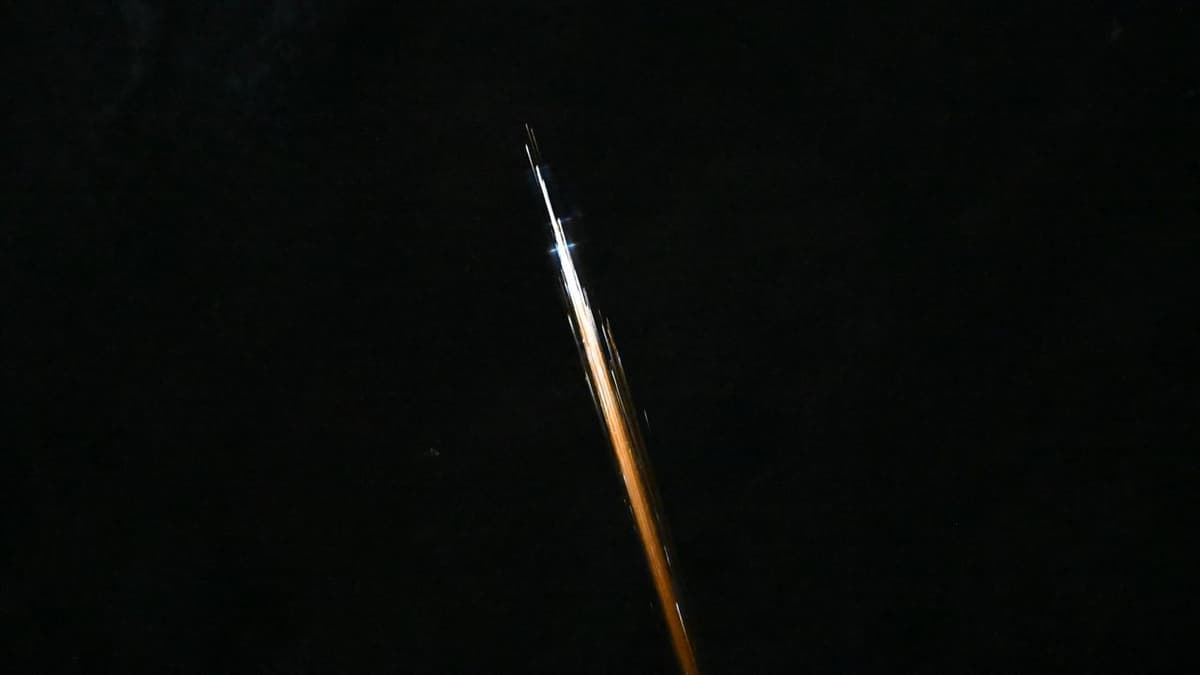
'It Was Quite a Light Show!' NASA Astronaut Spies Dramatic Fireball From the International Space Station (Photos)
Why It Matters
Observing re‑entering debris from orbit provides real‑time data on atmospheric breakup, aiding debris‑mitigation strategies. The visibility of such events raises public awareness of space traffic and the risks to orbital assets.
Key Takeaways
- •Fireball observed from ISS on April 27, 2026
- •Likely caused by re‑entering Progress MS‑34 upper stage
- •Astronaut Chris Williams captured photos and video
- •Event highlights growing orbital debris visibility
- •Progress cargo delivered three tons of supplies
Pulse Analysis
Seeing a fireball from the International Space Station is a rare visual reminder that Earth’s orbital environment is far from empty. When a piece of hardware, such as the upper stage of a Soyuz‑launched Progress cargo ship, re‑enters the atmosphere, it creates a luminous plasma trail that can be captured by crew‑mounted cameras. These observations complement ground‑based radar and optical networks, offering a unique, low‑latency perspective on how objects disintegrate under aerodynamic stresses. By documenting the breakup pattern, scientists can refine predictive models for debris survivability and improve re‑entry risk assessments for both active satellites and the ISS.
The fireball incident also highlights the accelerating challenge of orbital debris in low‑Earth orbit. With thousands of defunct satellites, spent rocket bodies, and fragmentation events populating the same altitude bands as the ISS, the probability of visible re‑entries has risen sharply. Space situational awareness programs now rely on a blend of tracking data, AI‑driven conjunction analysis, and crowd‑sourced observations like Williams’ footage to maintain a comprehensive debris catalog. Understanding the size distribution and material composition of re‑entering fragments is essential to prevent cascading collisions—a scenario known as the Kessler syndrome—that could jeopardize future missions.
Beyond scientific value, crew‑generated content serves a powerful outreach function. Sharing vivid images of a fireball on social platforms engages the public and underscores the tangible consequences of space traffic. It also reinforces the importance of international cooperation on debris mitigation policies, such as post‑mission disposal and active removal initiatives. As commercial constellations expand, the ISS will continue to act as both a laboratory and a sentinel, offering real‑time insights that shape safer, more sustainable operations in Earth’s orbital neighborhood.
'It was quite a light show!' NASA astronaut spies dramatic fireball from the International Space Station (photos)
Comments
Want to join the conversation?
Loading comments...