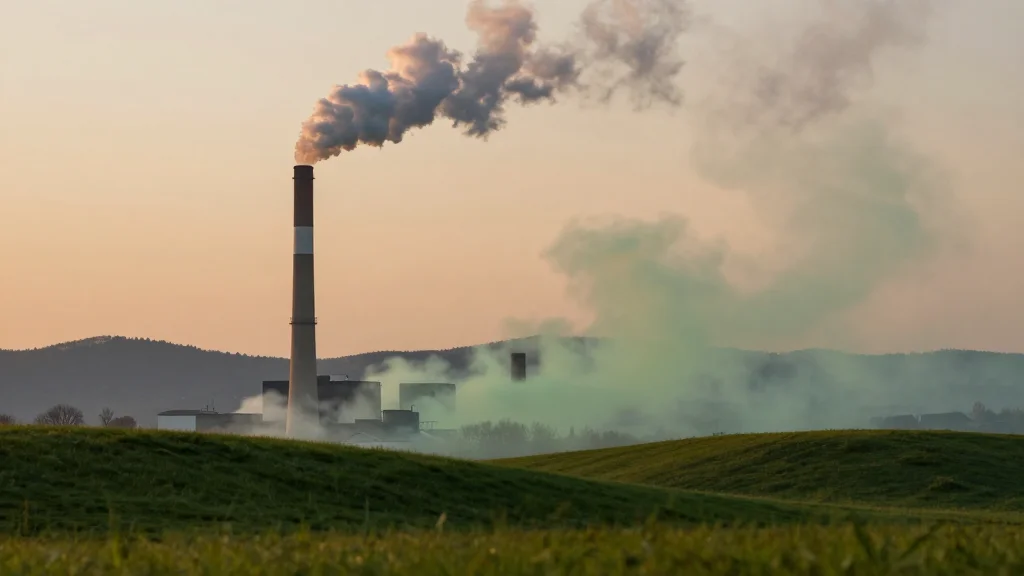
Italy Pushes Coal Exit Back After Gas Prices Rise
Why It Matters
The decision highlights the tension between short‑term energy security and long‑term climate targets, signaling potential policy volatility for Europe’s decarbonisation roadmap. It also underscores how volatile gas markets can force governments to reconsider fossil‑fuel retirements.
Key Takeaways
- •Coal phase-out extended to 2038 amid gas price surge
- •Four plants remain; two on standby, two already shut
- •Gas price threshold set at €70/MWh for coal reactivation
- •Coal contributed less than 2% of Italy’s electricity last year
- •Analysts deem extension symbolic, unlikely to affect prices
Pulse Analysis
Italy’s latest energy legislation reflects a pragmatic, if controversial, shift in its climate strategy. After years of aggressive coal reduction—over 90% decline since 2012 and less than 2% of total generation last year—the Meloni government inserted a coal‑extension clause into a sweeping energy‑crisis bill. The amendment, tied to a confidence vote, pushes the final shutdown of the four remaining coal units to 2038, effectively turning them into a strategic reserve. Politically, the move safeguards the ruling coalition, but it also reverses the 2017 Gentiloni commitment to end mainland coal use by 2025, raising questions about policy consistency.
The catalyst for the extension is the recent spike in European gas prices, which briefly breached €70 per megawatt‑hour—the level at which coal becomes economically attractive. While gas prices have retreated to around €50/MWh, the volatility exposed the fragility of Italy’s reliance on gas for roughly half of its electricity mix. Keeping coal plants on standby offers a hedge against future price shocks, yet experts argue the impact on wholesale electricity rates will be minimal because gas dominates price formation under EU market rules. Moreover, the two idle Enel plants in Brindisi and Civitavecchia remain uneconomic, and reactivating them would likely be a short‑term stopgap rather than a sustainable solution.
Italy’s decision mirrors a broader, cautious re‑embrace of coal across parts of Europe and Asia, where energy security concerns are prompting governments to retain fossil‑fuel flexibility. In Germany, similar debates have surfaced, while Asian nations like Japan and Bangladesh have increased coal output to offset LNG shortages. However, the global trend still favours renewables; solar and wind are increasingly cost‑competitive, even in regions with high coal reliance. For Italy, the challenge lies in balancing immediate supply security with its EU climate commitments, accelerating renewable integration, and strengthening interconnections to reduce dependence on both gas and coal in the long run.
Italy pushes coal exit back after gas prices rise
Comments
Want to join the conversation?
Loading comments...