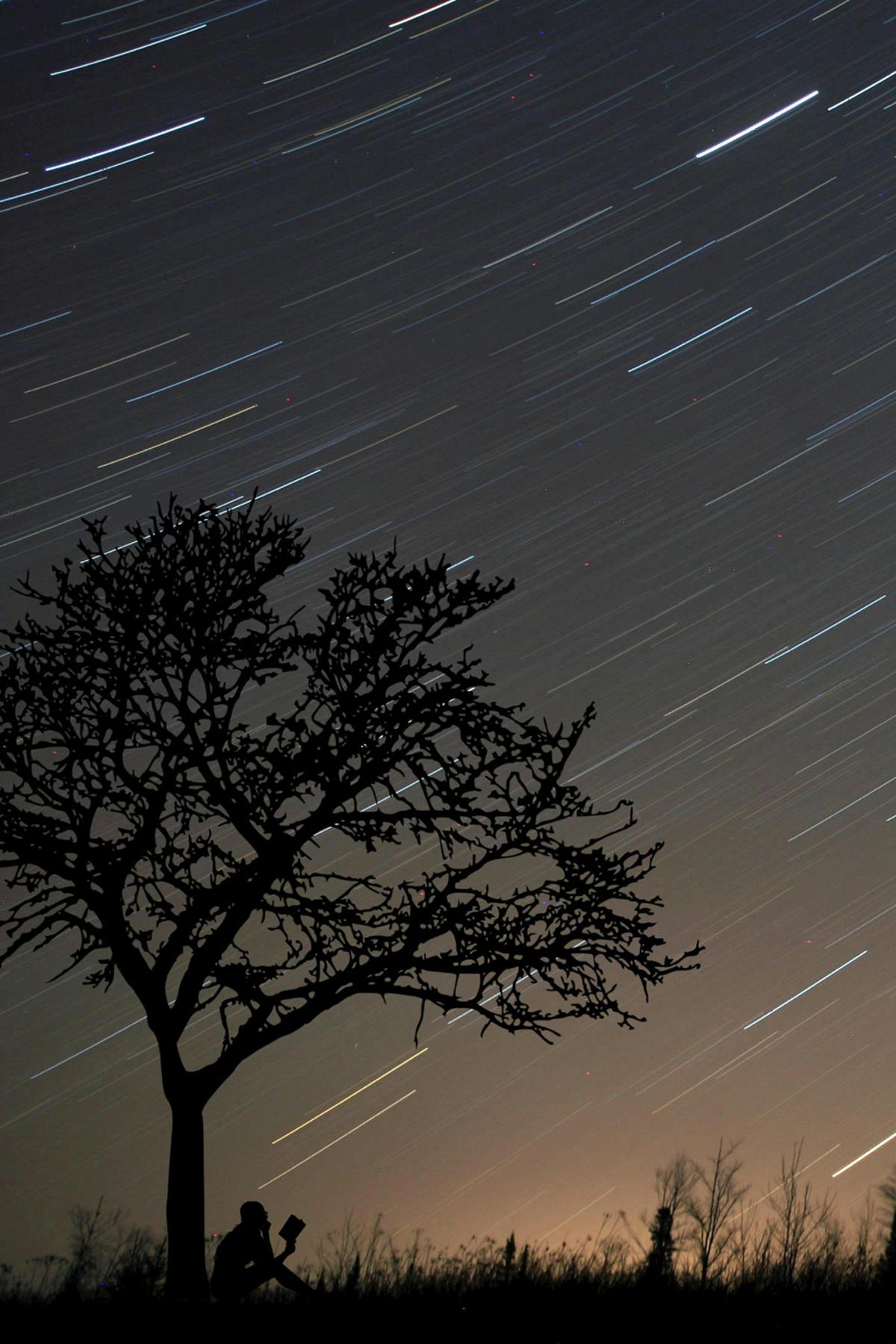
It’s Galaxy Season: Here Are 4 Night Sky Events To Spot This Spring
Why It Matters
These events provide accessible astronomy experiences that can boost public interest in space science and support tourism for night‑sky destinations. They also offer educators concrete examples to inspire STEM learning during the spring months.
Key Takeaways
- •Lyrid Meteor Shower peaks 22 April with ~18 meteors/hour
- •Eta Aquariids produce up to 40 meteors/hour around 6 May
- •Planet parade features Mercury, Mars, Saturn, Neptune 16‑23 April
- •Spring Triangle connects Regulus, Arcturus, Spica forming visible asterism
Pulse Analysis
Spring’s orientation away from the Milky Way’s bright band makes March‑June the optimal window for spotting far‑flung galaxies such as Andromeda and the Whirlpool. Amateur astronomers benefit from darker, higher‑altitude viewing conditions, while light‑pollution maps show a growing number of rural locales capitalising on this seasonal advantage to host stargazing events and astrophotography workshops.
The Lyrid and Eta Aquariids meteor showers illustrate how comet debris streams intersect Earth’s orbit, delivering spectacular fireballs that draw casual observers and seasoned skywatchers alike. The Lyrids, linked to comet C/1861 G1, deliver about 18 fast meteors per hour, whereas the Eta Aquariids, remnants of Halley’s Comet, can produce up to 40 per hour during a week‑long plateau. Early‑morning viewing, clear horizons, and minimal moonlight are key tips for maximizing counts.
Beyond meteors, the April planet parade and the Spring Triangle asterism provide low‑tech entry points to planetary science and cultural astronomy. The alignment of Mercury, Mars, Saturn and distant Neptune offers a rare visual cue of our solar system’s architecture, while the triangular asterism of Regulus, Arcturus and Spica reinforces ancient sky‑mapping traditions. Together, these events fuel local tourism, drive sales of binoculars and entry‑level telescopes, and give educators tangible moments to link curriculum to real‑world observation.
It’s Galaxy Season: Here Are 4 Night Sky Events To Spot This Spring
Comments
Want to join the conversation?
Loading comments...