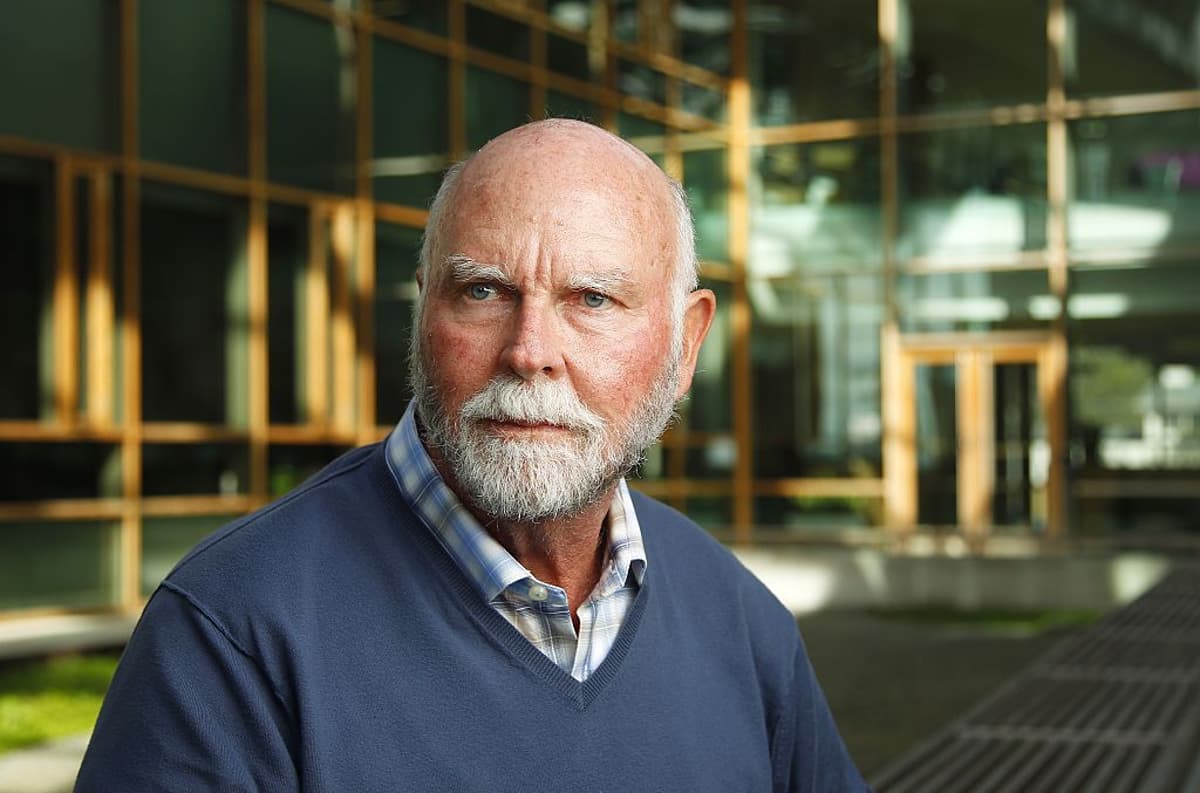
J. Craig Venter: The American Scientist Who Changed Biotech
Companies Mentioned
Why It Matters
Venter’s disruptive methods accelerated genomic research, lowering costs and opening commercial pathways that underpin today’s precision‑medicine and synthetic‑biology markets. His entrepreneurial model proved that bold private investment can rival large government initiatives, reshaping funding dynamics across life sciences.
Key Takeaways
- •Celera’s shotgun sequencing cut genome timeline from 14 to 2 years.
- •Venter raised $1 billion IPO on NYSE in Feb 2000.
- •First synthetic bacterial cell created by Venter’s team in 2010.
- •Venter founded Synthetic Genomics and Human Longevity, expanding biotech.
- •Patent push led HGP to publish genome, limiting commercial claims.
Pulse Analysis
J. Craig Venter’s entry into the human‑genome race forced a paradigm shift. By applying shotgun sequencing—a method that fragments DNA, sequences each piece, and reassembles the puzzle with supercomputing power—Celera slashed the projected 14‑year timeline to just two years. This rapid, cost‑effective approach not only pressured the publicly funded Human Genome Project to accelerate but also demonstrated that private capital could deliver scientific breakthroughs at commercial scale, prompting a wave of venture funding into genomics startups.
Beyond mapping DNA, Venter pioneered synthetic biology. In 2010 his team assembled the first synthetic bacterial cell, proving that life’s code could be written from scratch. This achievement birthed Synthetic Genomics, a company that leverages engineered microbes for vaccines, biofuels, and novel therapeutics. The synthetic‑cell milestone laid groundwork for today’s gene‑editing platforms and cell‑factory designs, positioning synthetic biology as a cornerstone of next‑generation drug development and sustainable manufacturing.
Venter’s legacy is as much about culture as it is about technology. His flamboyant fundraising—raising a billion dollars in a single trading day—and willingness to challenge academic norms sparked fierce debate over patenting life and the role of profit in science. Yet the competitive pressure he introduced has persisted, driving faster data generation, open‑source collaborations, and a more entrepreneurial mindset in biotech. As the industry moves toward AI‑driven discovery and personalized medicine, Venter’s blend of risk‑taking, rapid execution, and commercial ambition remains a template for innovators seeking to turn bold ideas into market‑changing realities.
J. Craig Venter: the American scientist who changed biotech
Comments
Want to join the conversation?
Loading comments...